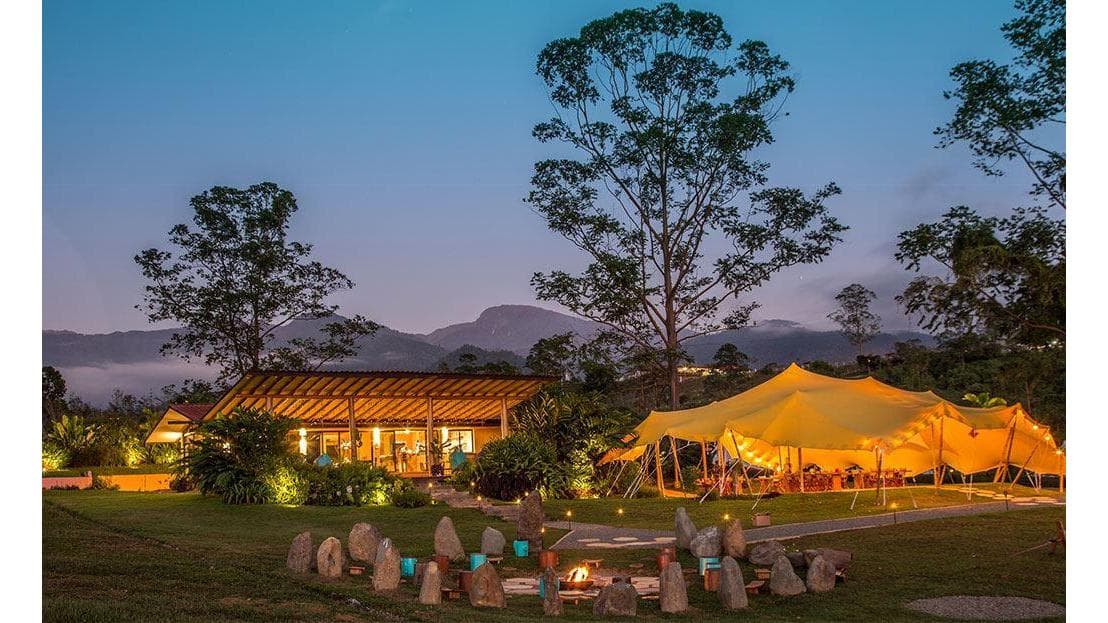

Kinkara Luxury Retreat
Santa Elena, San José
MeditationSound Healingretreat
24 studios offering jungle found near Costa Rica
FindYoga lists 24 jungle studios and class providers in Costa Rica. Browse timetables, compare styles and find the right jungle session for your level — whether you're stepping on the mat for the first time or deepening an established practice.
Santa Elena, San José
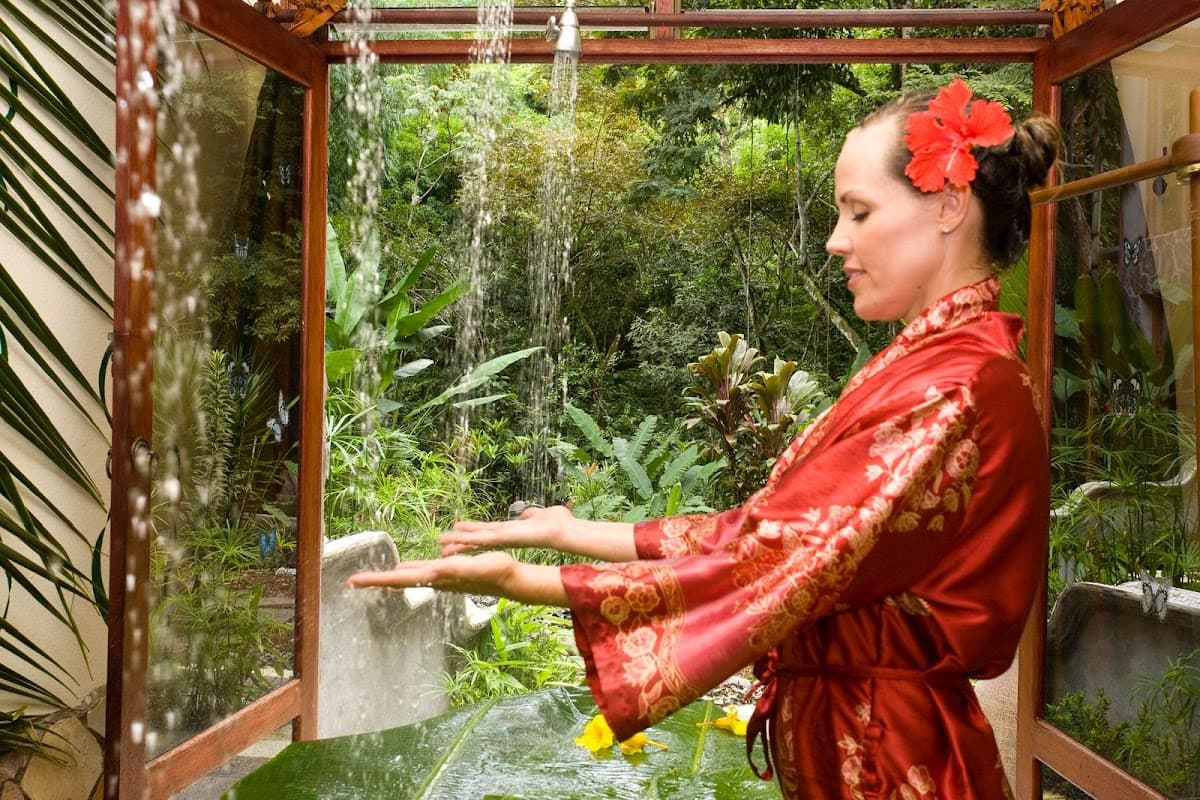

Manuel Antonio, Provincia de Puntarenas

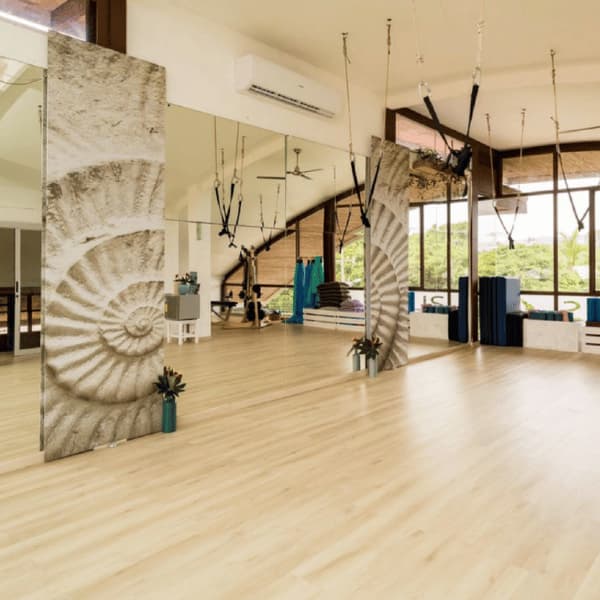
Quepos, Provincia de Puntarenas
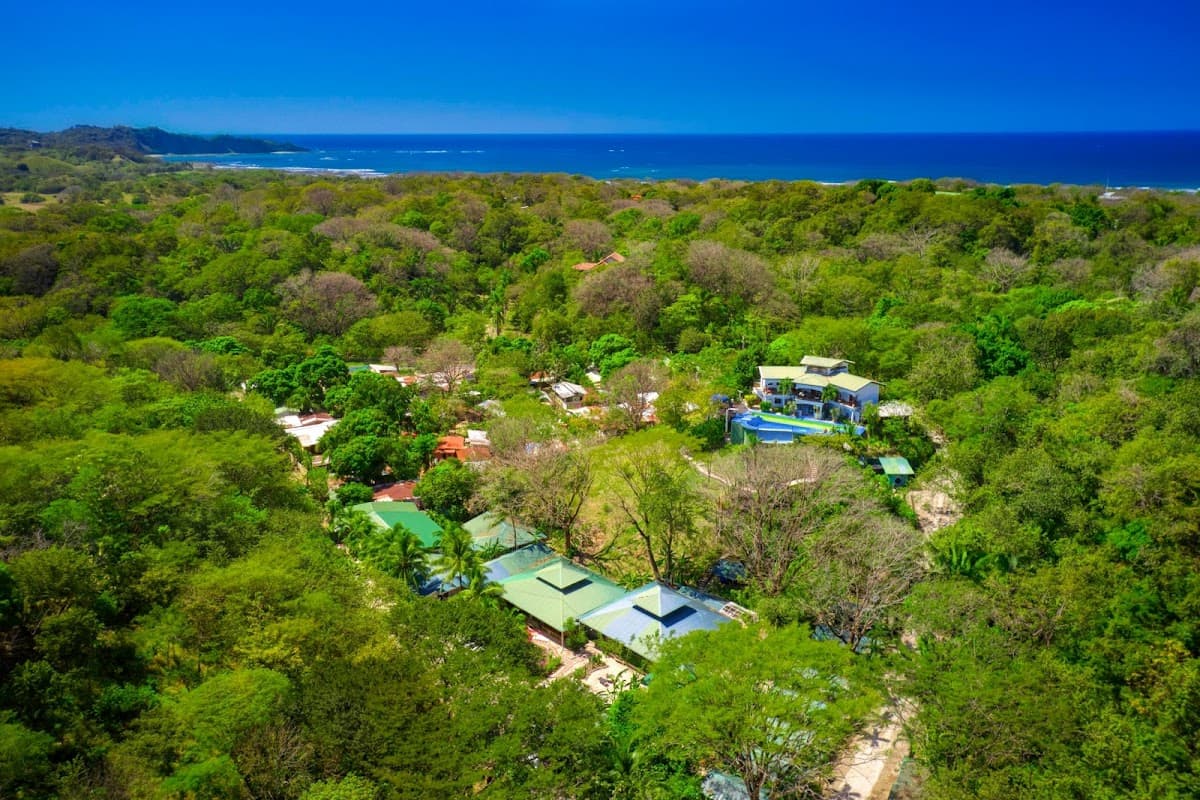

Nosara, Provincia de Guanacaste
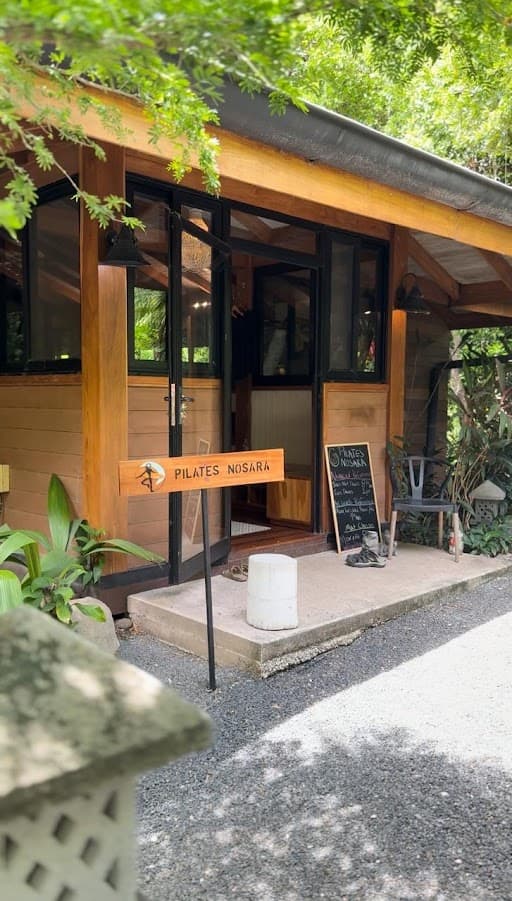

Nosara, Provincia de Guanacaste
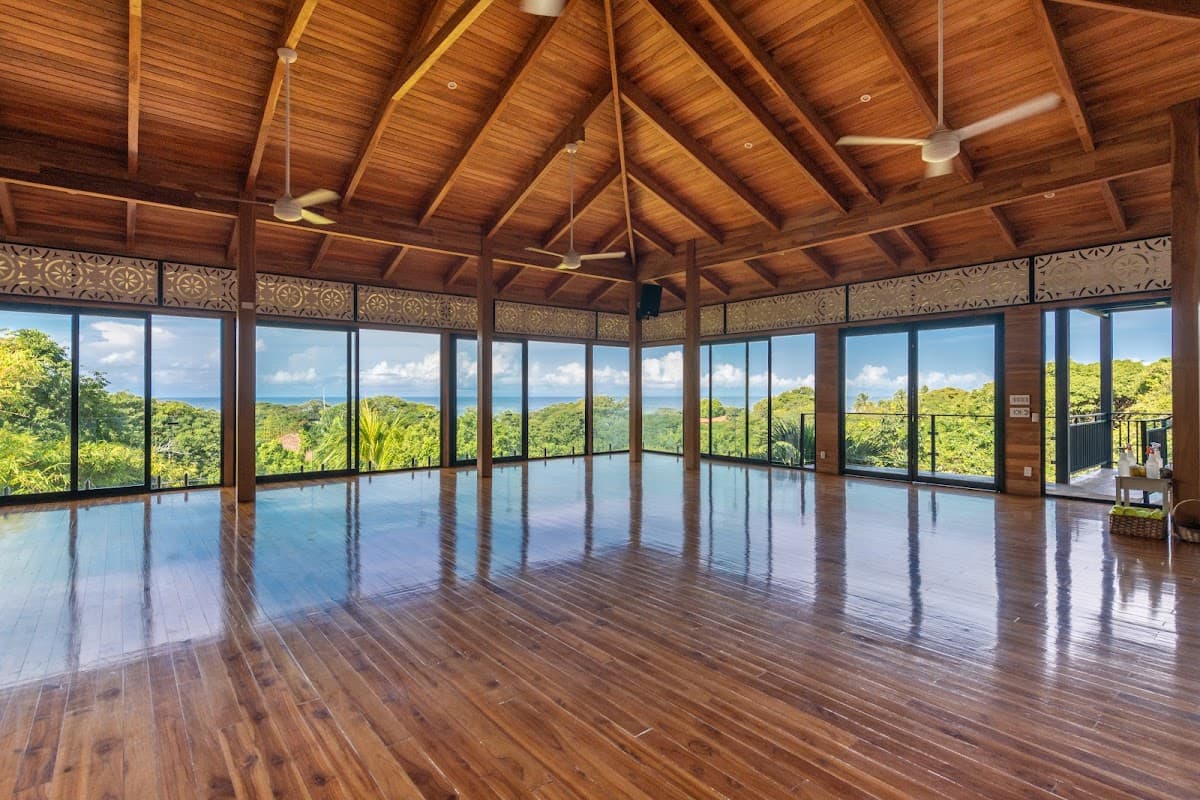
Nosara, Provincia de Guanacaste
Tranquil resort with free breakfast & daily yoga, plus an outdoor pool & an Ayurvedic spa.
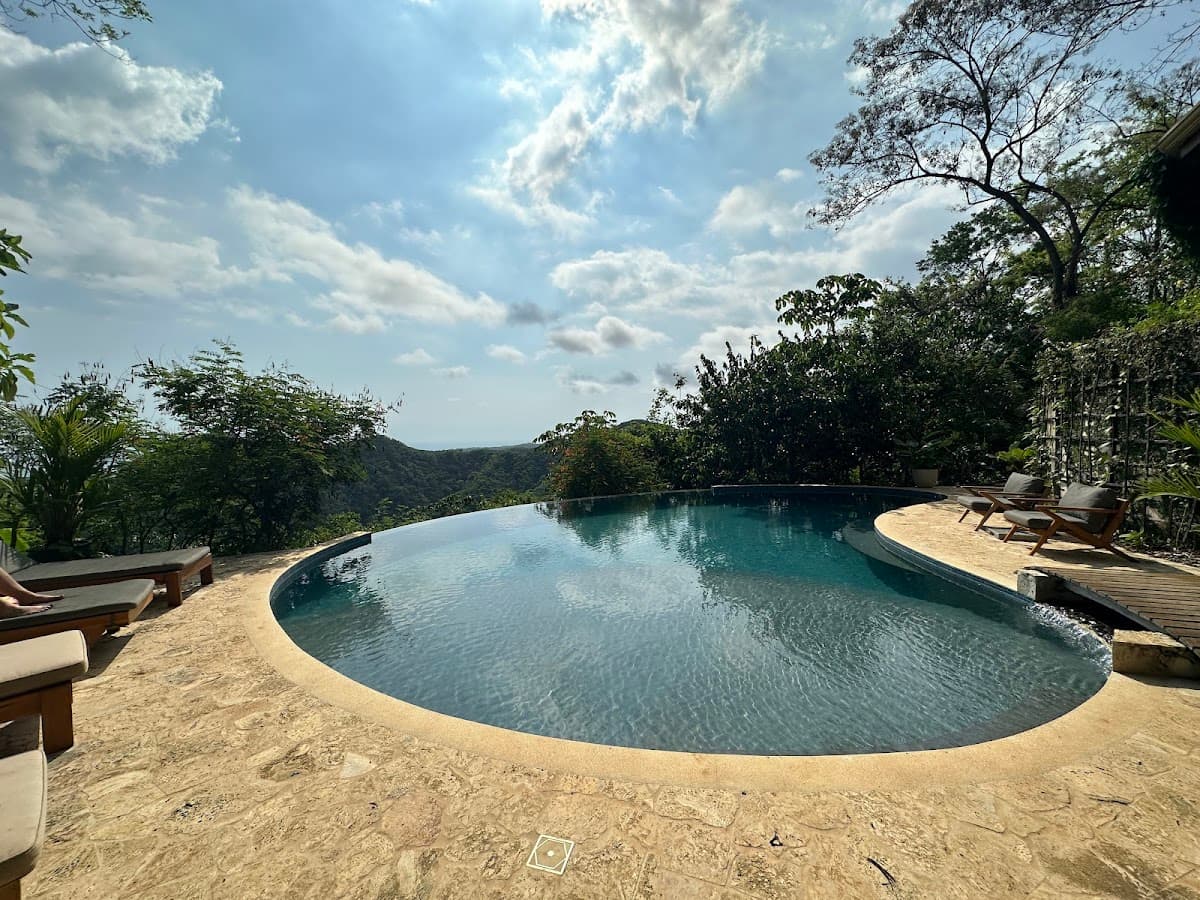
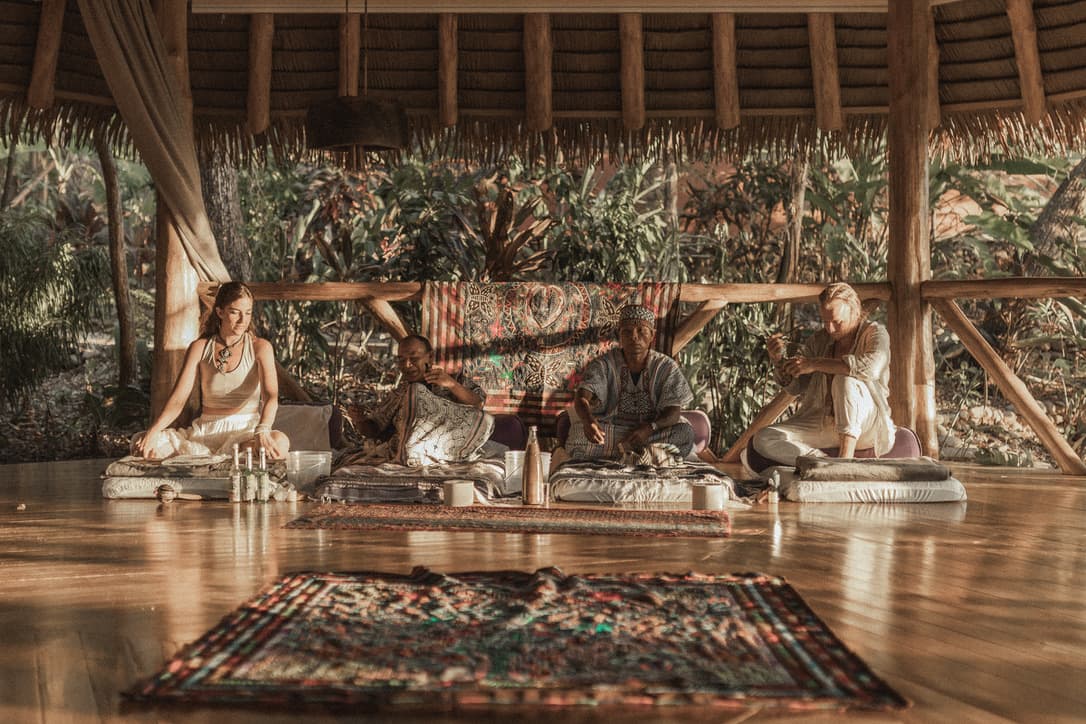
Nosara, Guanacaste Province
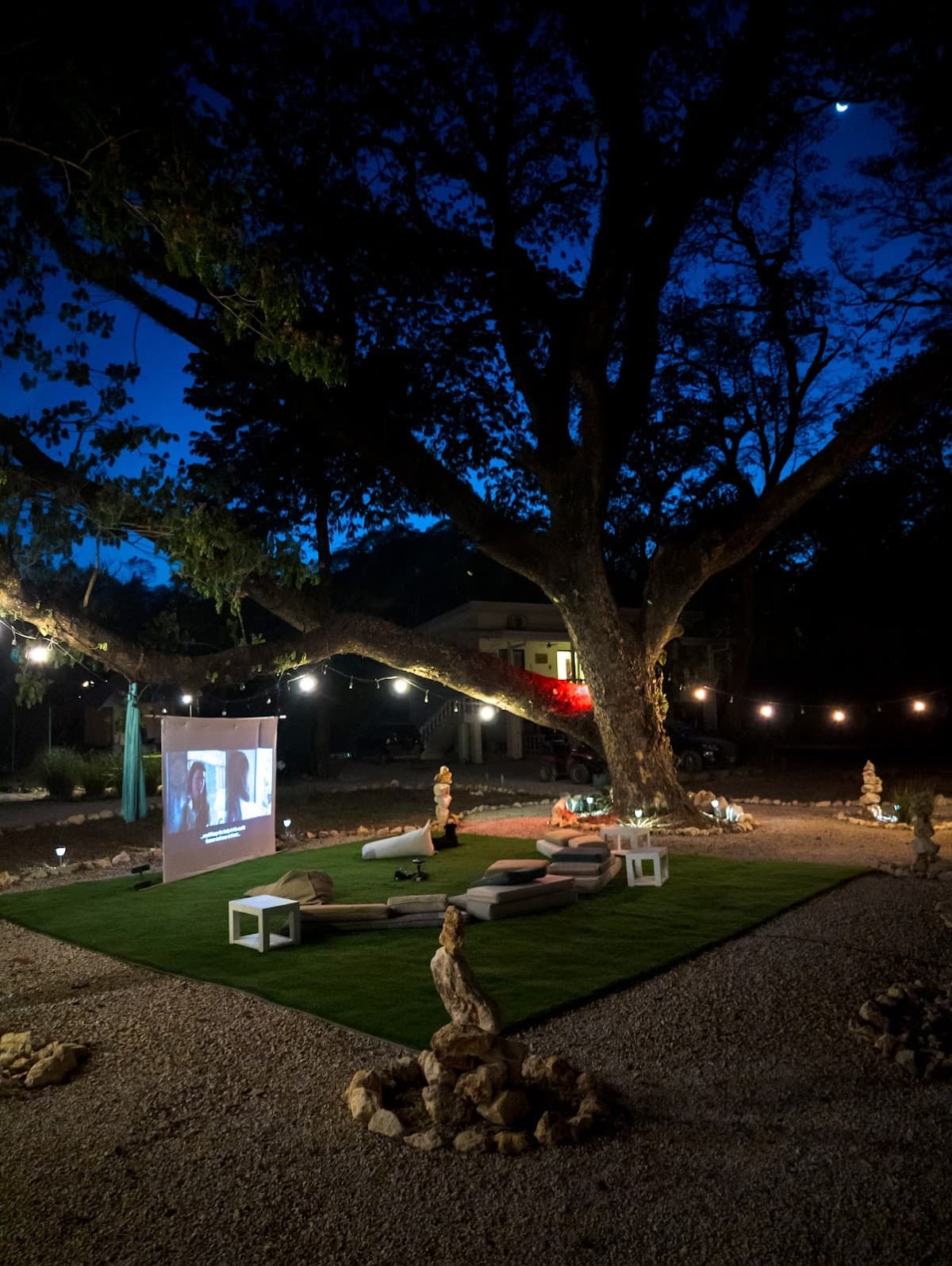
Nosara, Provincia de Guanacaste
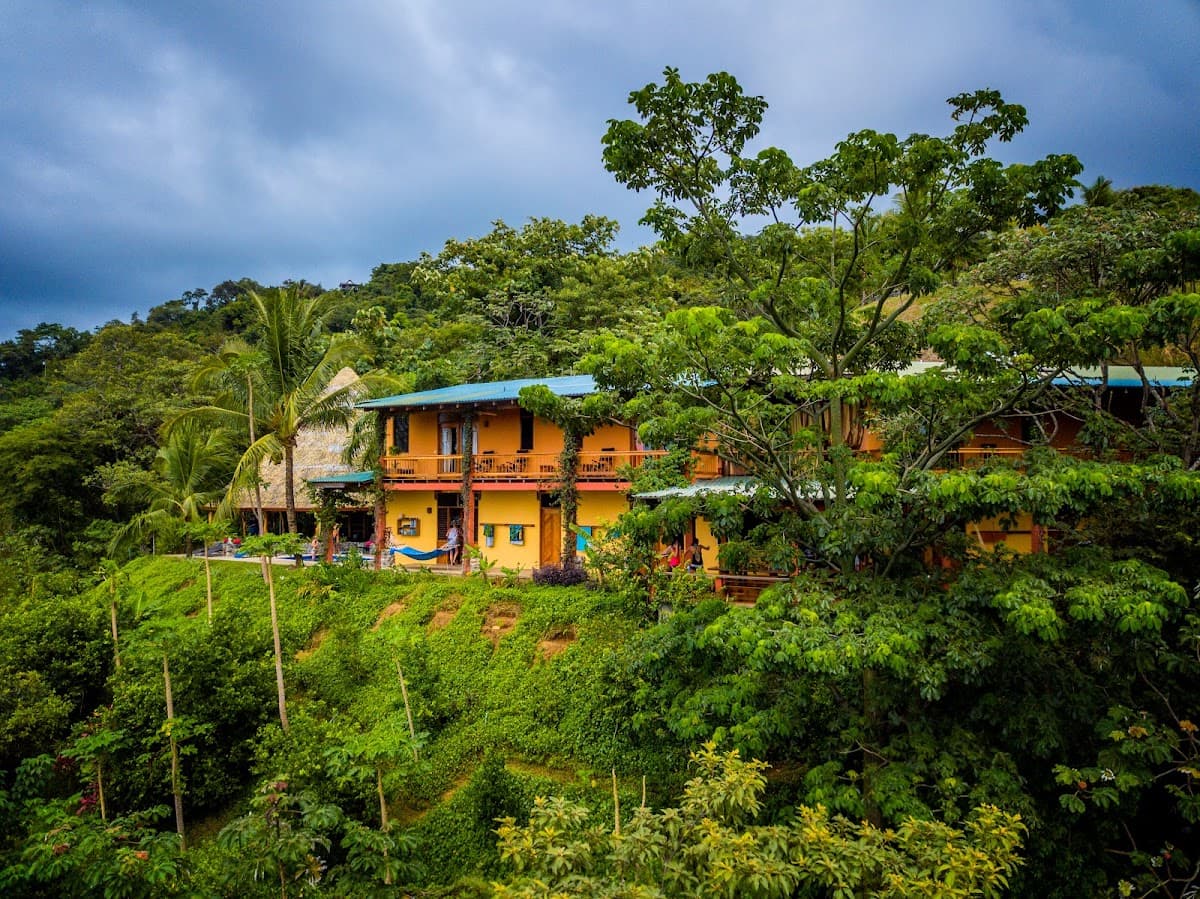
Nosara, Provincia de Guanacaste
Nosara, Provincia de Guanacaste
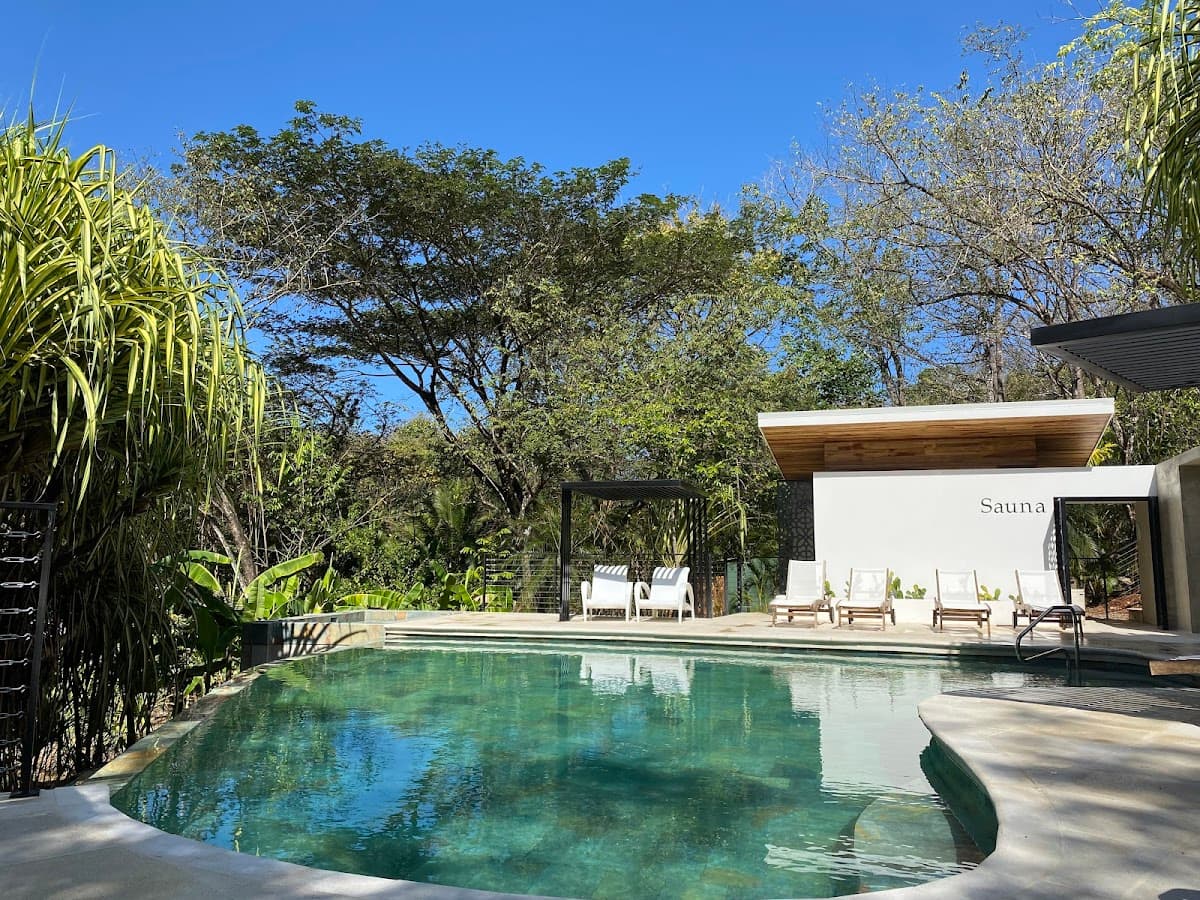
San Juanillo, Provincia de Guanacaste
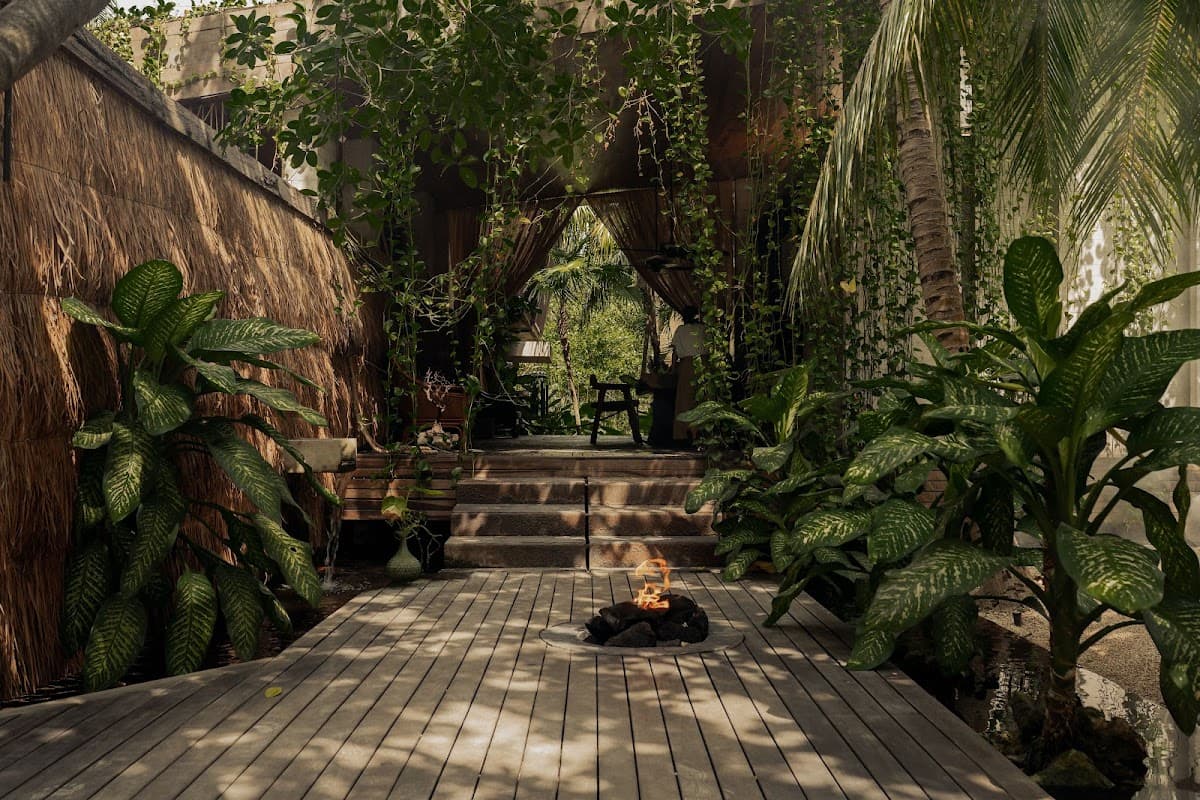

Tulum, Quintana Roo
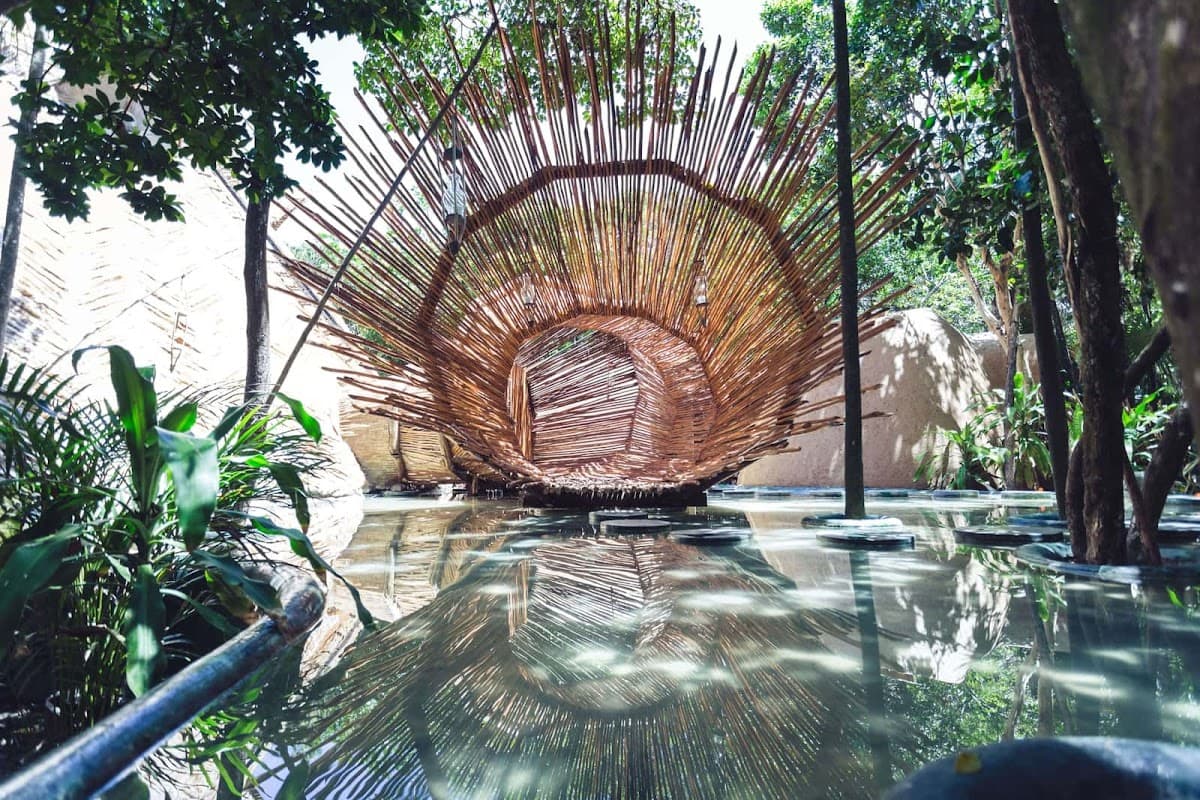
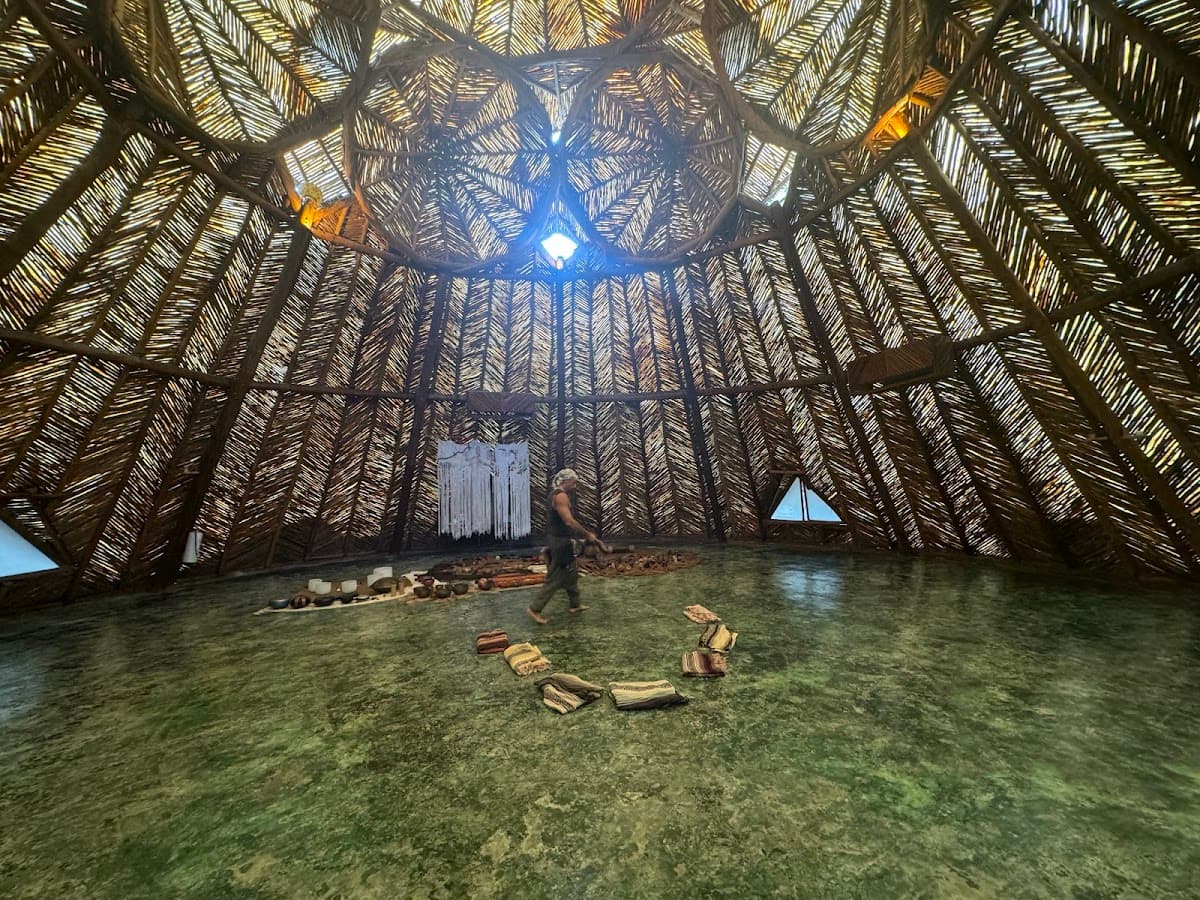
Zona Hotelera, Quintana Roo
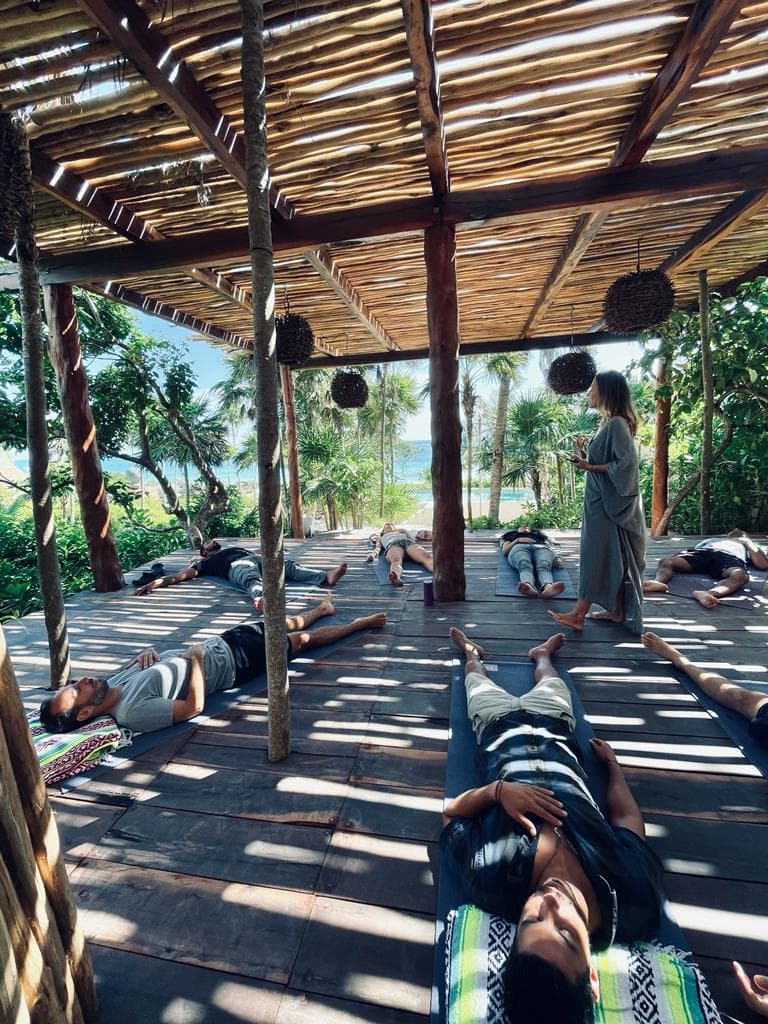
Tulum, Quintana Roo
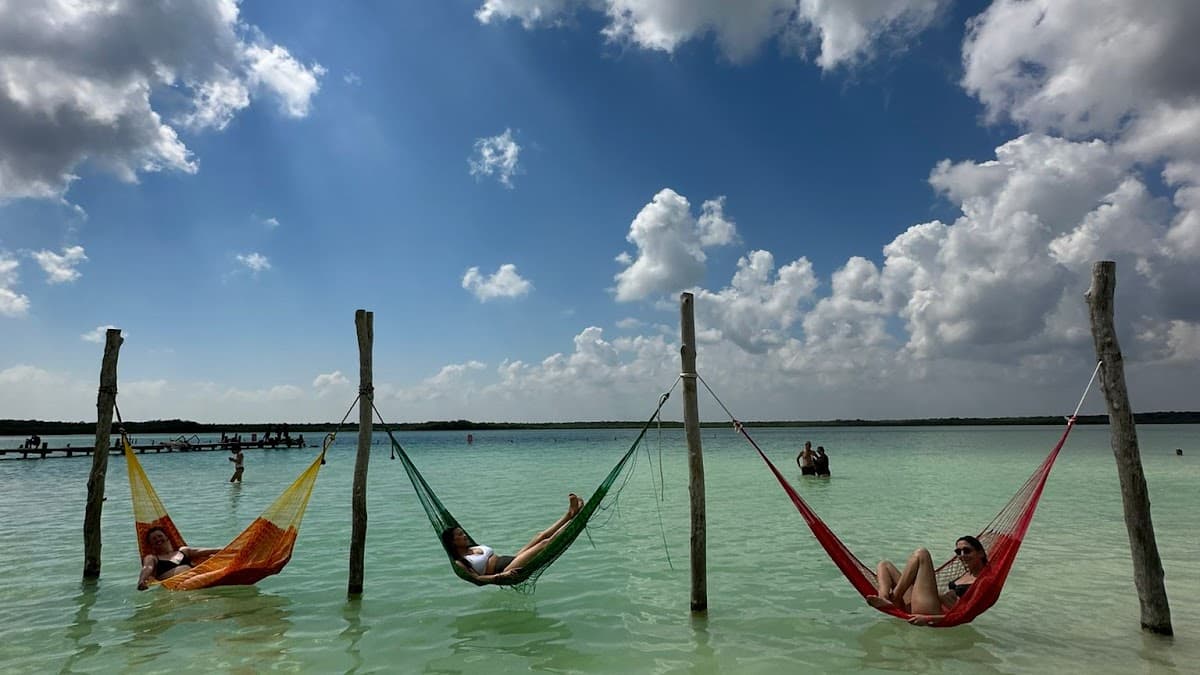

La Veleta, Quintana Roo
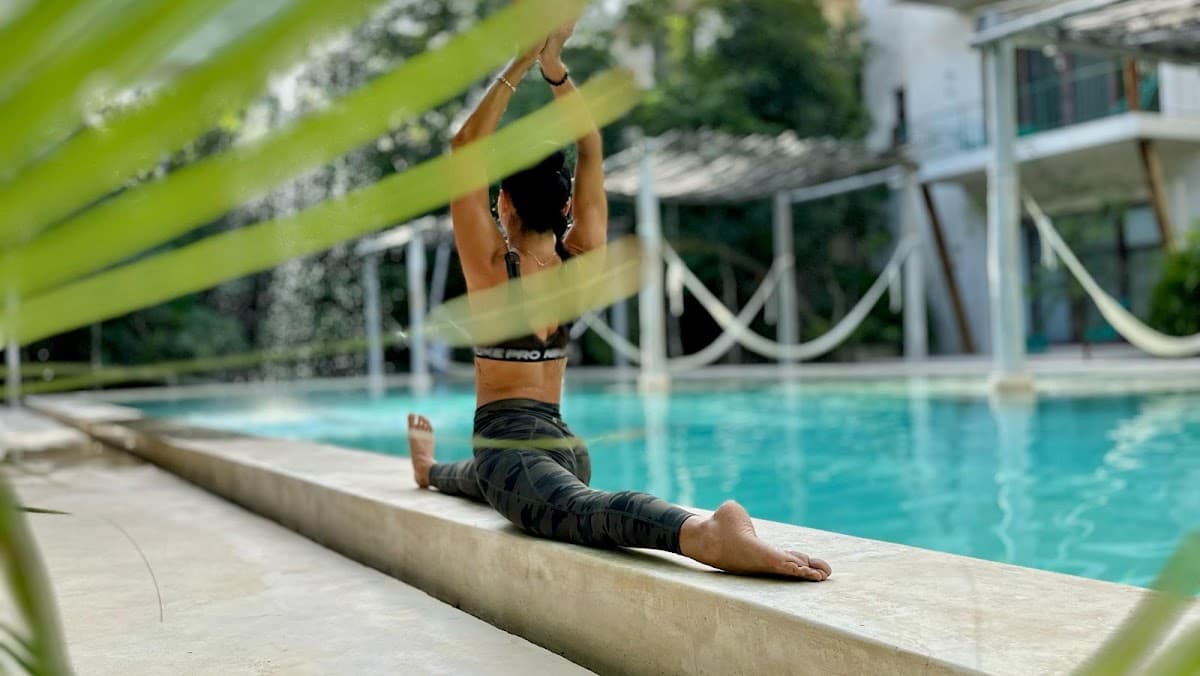

La Veleta, Quintana Roo
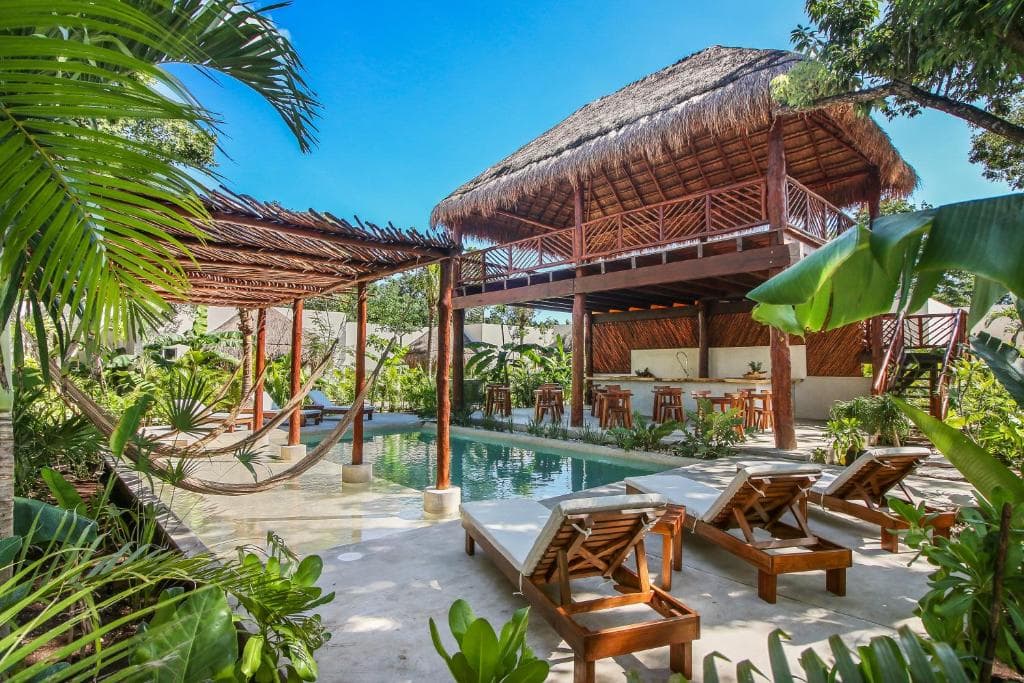
Colonia Huracanes, Quintana Roo
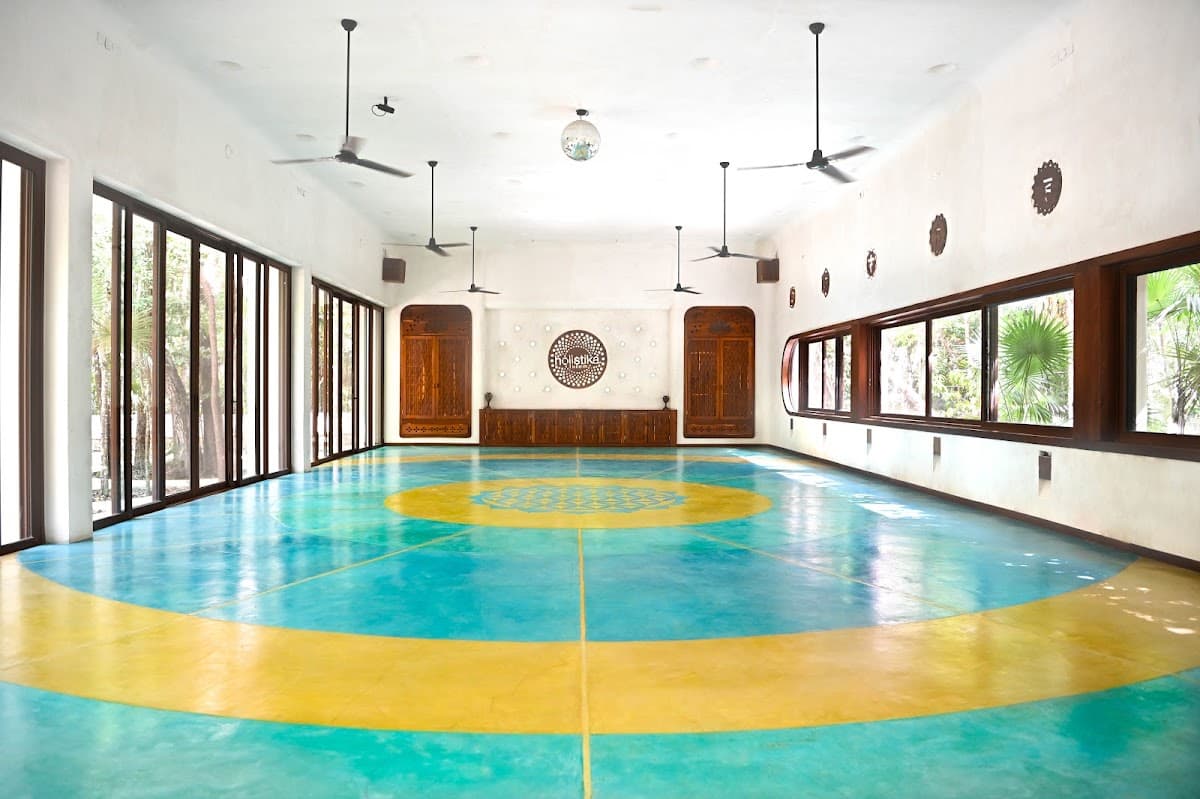
La Veleta, Quintana Roo
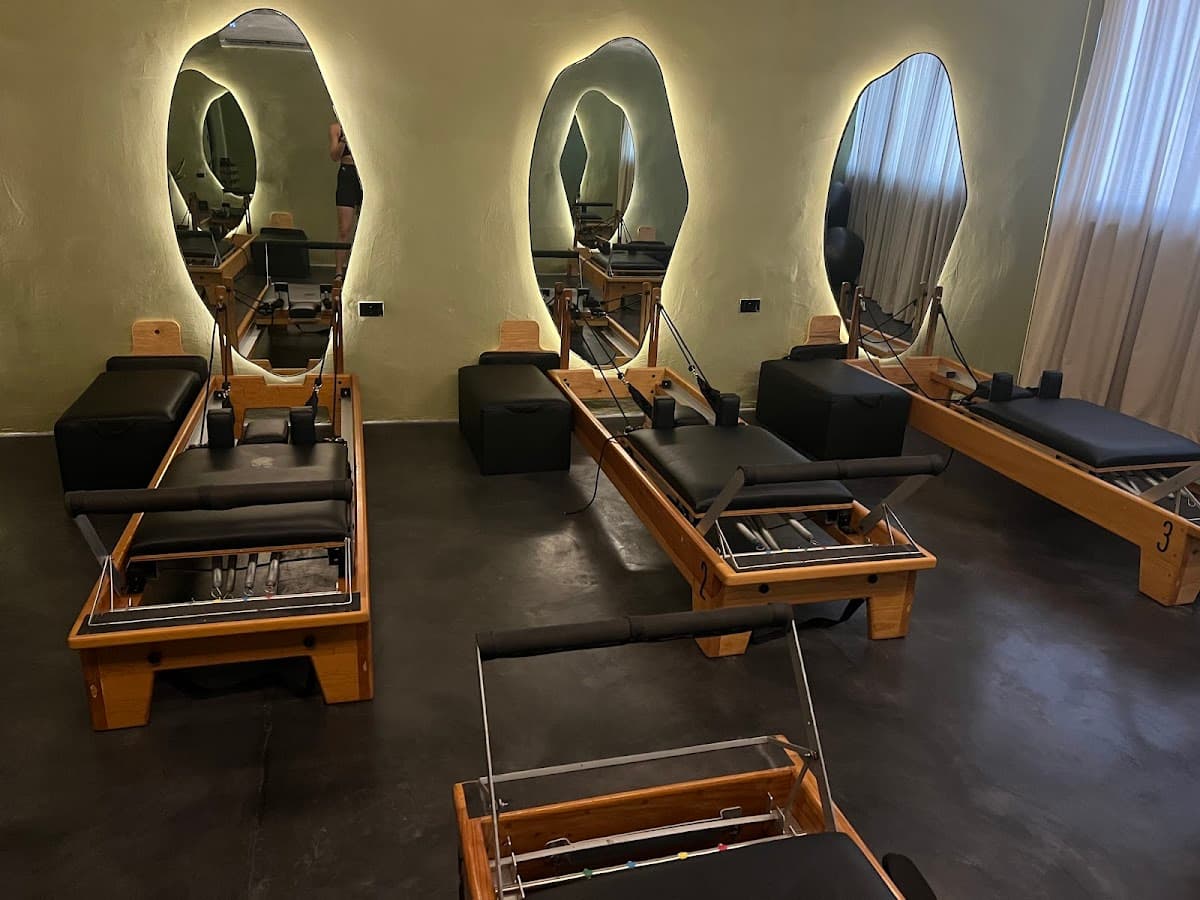
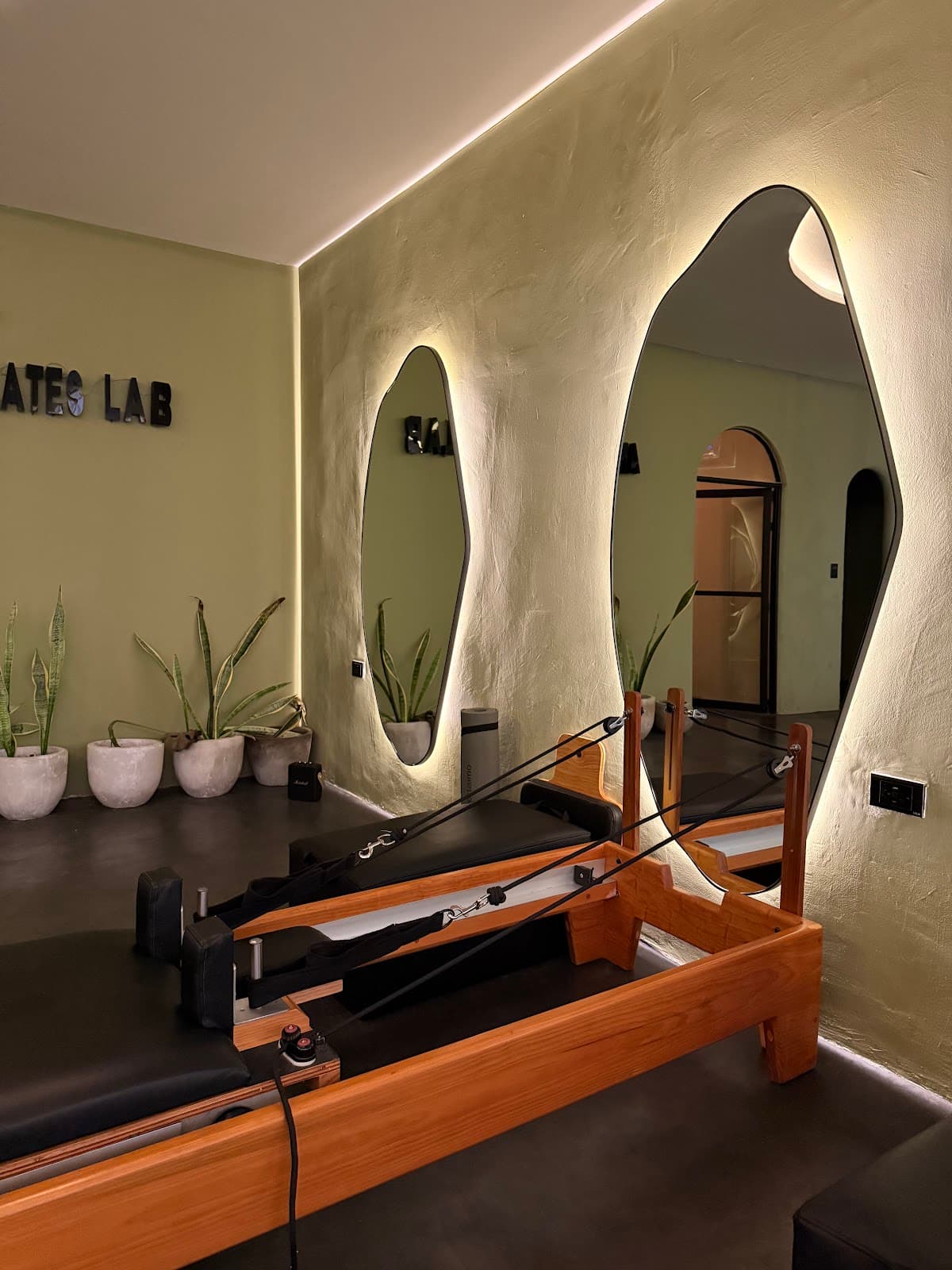
Tulum, Quintana Roo
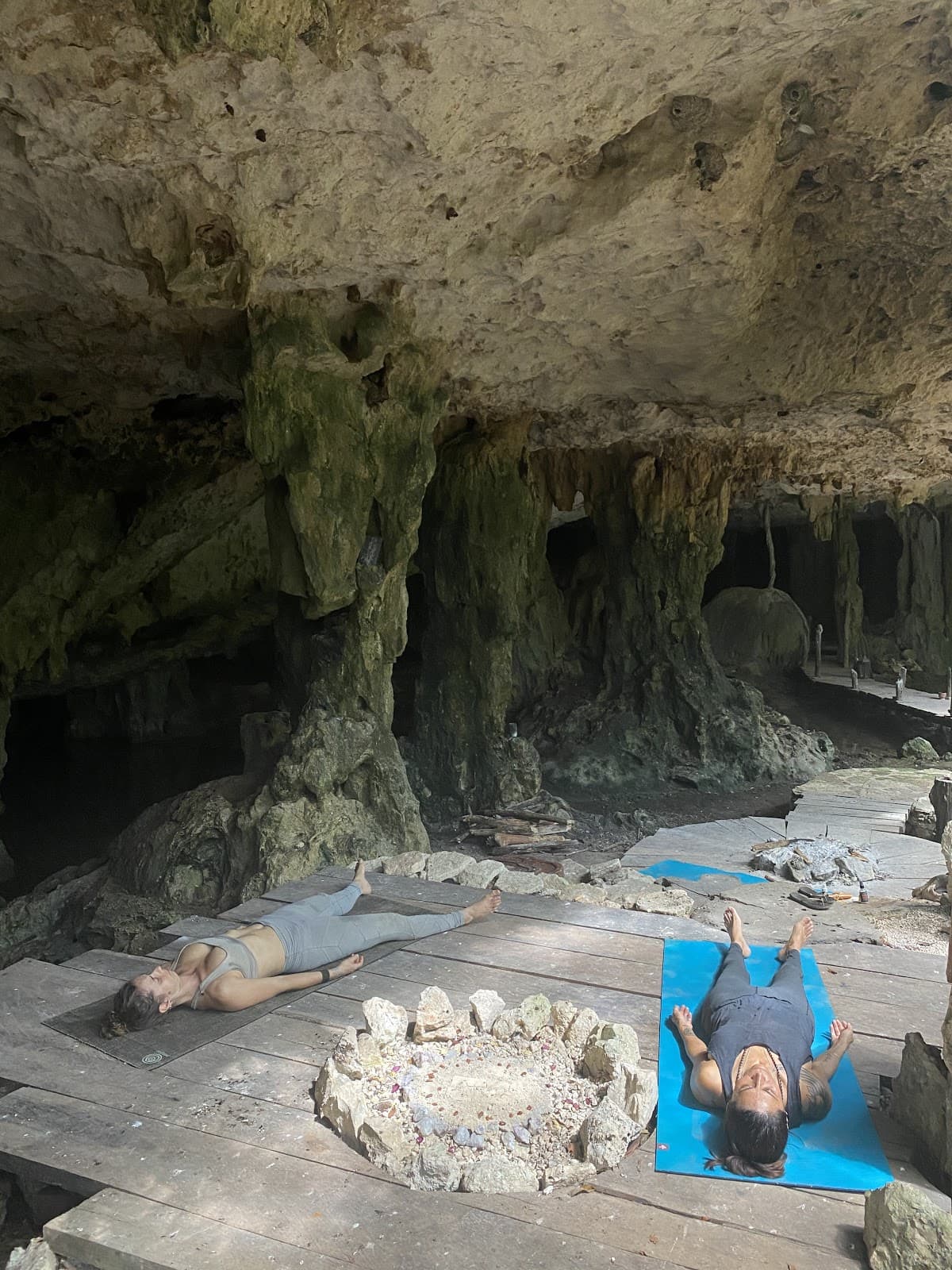
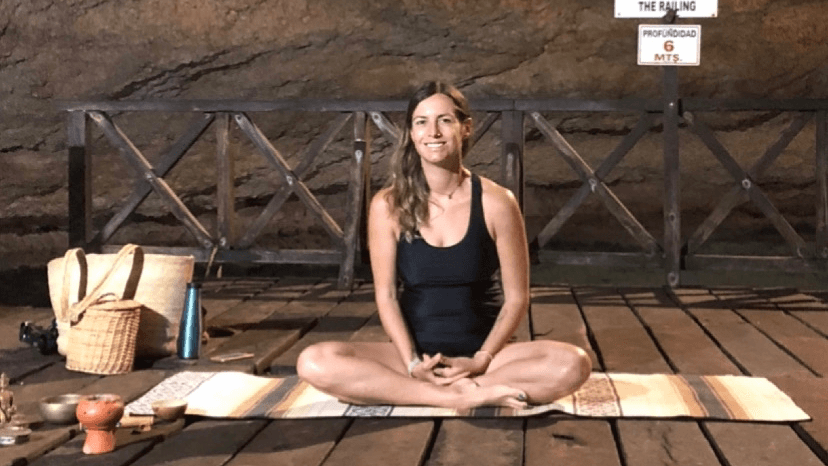
Tulum, Quintana Roo
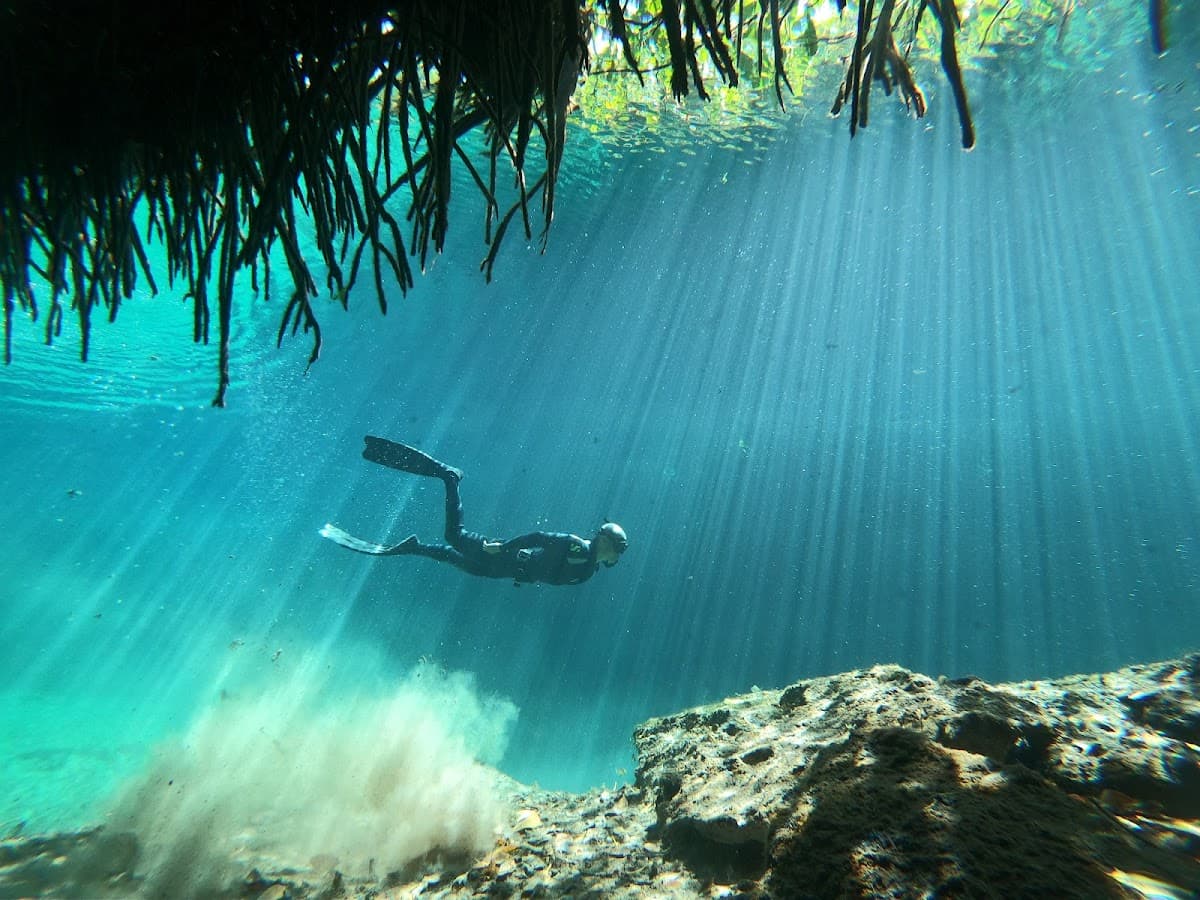
Ejido Sur, Quintana Roo
Tulum, Quintana Roo

Jacinto Pat, Quintana Roo

Tulum, Quintana Roo
Jungle yoga is an immersive practice that takes the mat out of the studio and places it beneath a canopy of leaves, birdsong, and dappled light. Whether practiced in a tropical rainforest, a woodland clearing, or a lush botanical garden, this format invites practitioners to move in deliberate harmony with the natural world around them. The appeal is immediate and intuitive — something in the human body recognizes the forest as home, and that recognition softens the nervous system in ways that four walls simply cannot replicate. People who discover jungle yoga often describe it as the first time yoga truly felt alive, as though the practice finally found its rightful container.
While yoga itself has ancient roots in the Indian subcontinent, the movement toward nature-based and outdoor yoga gained meaningful momentum in the early 21st century, drawing inspiration from both ecotherapy and the growing global wellness movement. Pioneers working at the intersection of yoga, environmental mindfulness, and somatic healing began designing sessions that responded to terrain, weather, and the sensory richness of wild or semi-wild spaces. In jungle and forest settings specifically, practitioners began weaving elements of grounding breathwork and slow, deliberate flow sequences into experiences that honor the rhythm of the living ecosystem rather than resist it. The format has no single founder, but instead emerged organically from a widespread human longing to reconnect with nature through mindful movement.
A typical jungle yoga session draws deeply on the environment itself as both backdrop and teacher. Practitioners are guided through flowing sequences on natural surfaces — earth, grass, or wooden platforms — often beginning with grounding postures that encourage a felt sense of connection to the ground beneath them. Breathwork is central, as the oxygen-rich, phytoncide-laden forest air enhances both lung capacity and parasympathetic calm. Sessions frequently incorporate moments of stillness and sensory awareness, asking participants to notice the sound of wind, the texture of bark, or the quality of light filtering through the canopy. The physical benefits include improved balance, core stability, and flexibility, while the mental benefits — reduced cortisol, heightened presence, and a deep sense of joy — are often felt immediately. Jungle yoga is beautifully suited to those who feel confined by indoor spaces, anyone seeking a more contemplative or restorative practice, and adventurous beginners who find that nature lowers their inhibitions around trying something new.
For anyone who has ever felt the pull of the wild, jungle yoga offers a rare invitation to let the practice breathe, grow, and come fully alive.