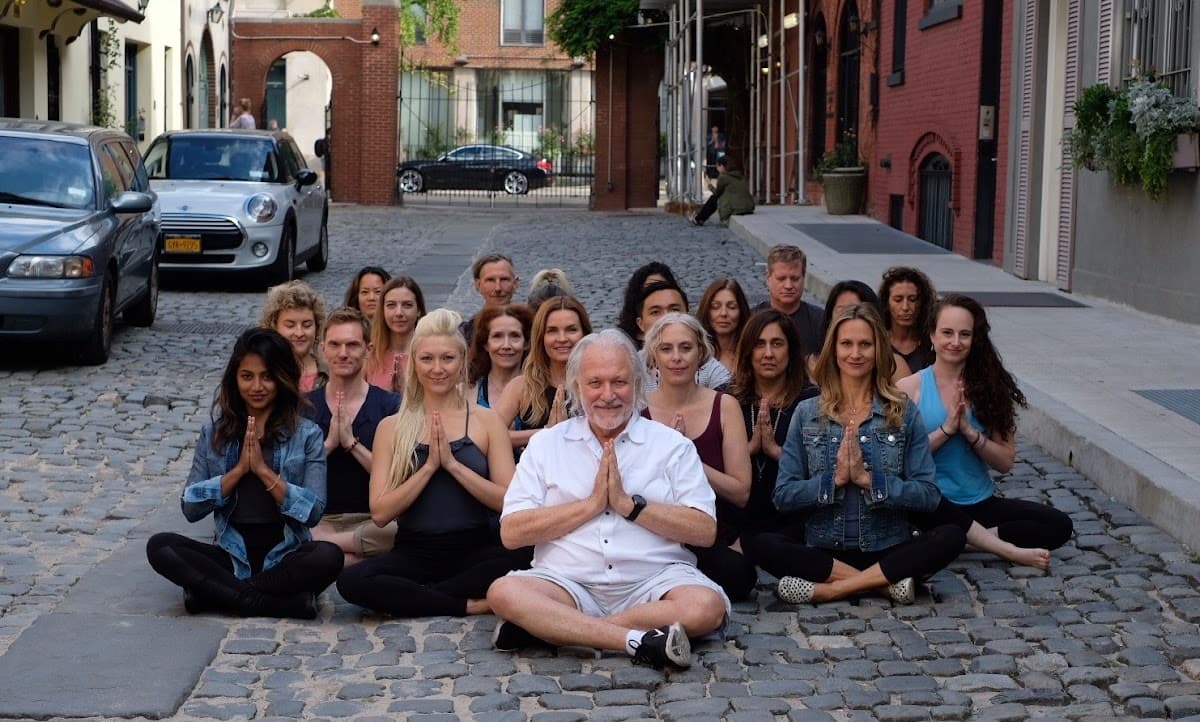
ISHTA Yoga
Manhattan, New York
Meditationyoga-nidraAyurveda
31 studios offering yoga-nidra found within 25km of New York
FindYoga lists 31 yoga-nidra studios and class providers in New York and within 25km. Browse timetables, compare styles and find the right yoga-nidra session for your level — whether you're stepping on the mat for the first time or deepening an established practice.
Manhattan, New York
Manhattan, New York
Cozy, baby-friendly yoga center offering a range of classes for families & expecting parents.
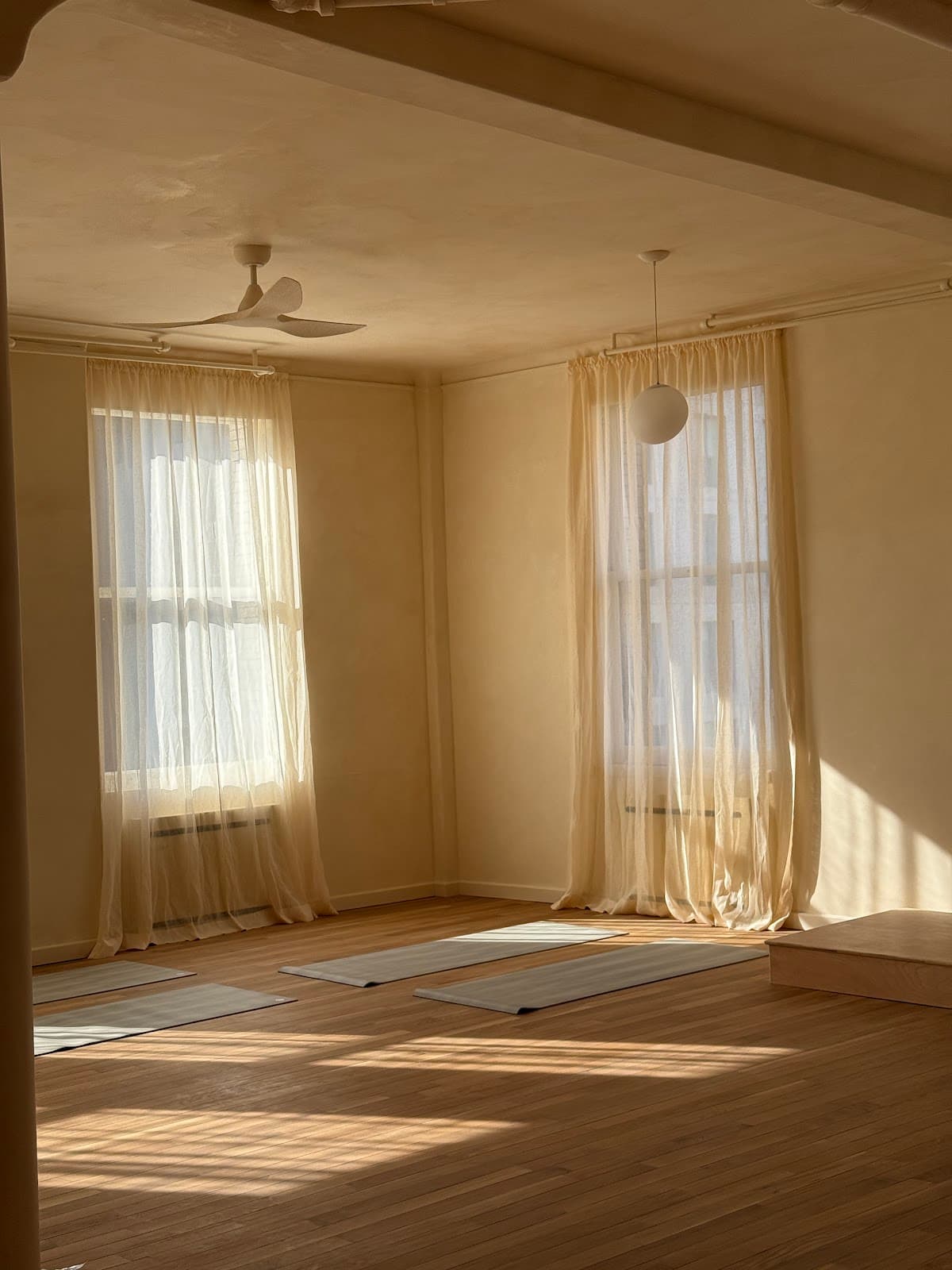
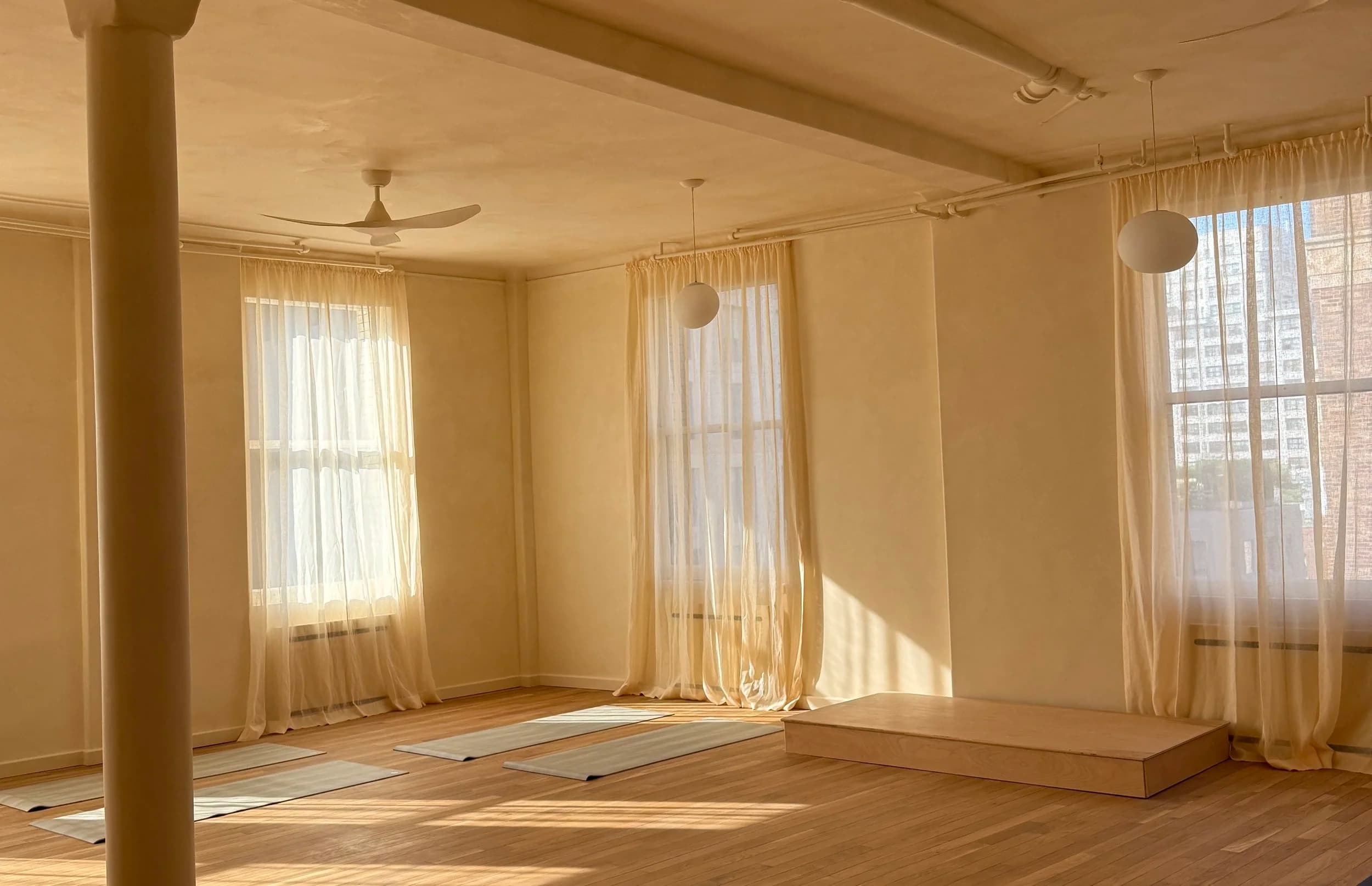
Manhattan, New York
Manhattan, New York
Manhattan, New York
Manhattan, New York
Jersey City, New Jersey
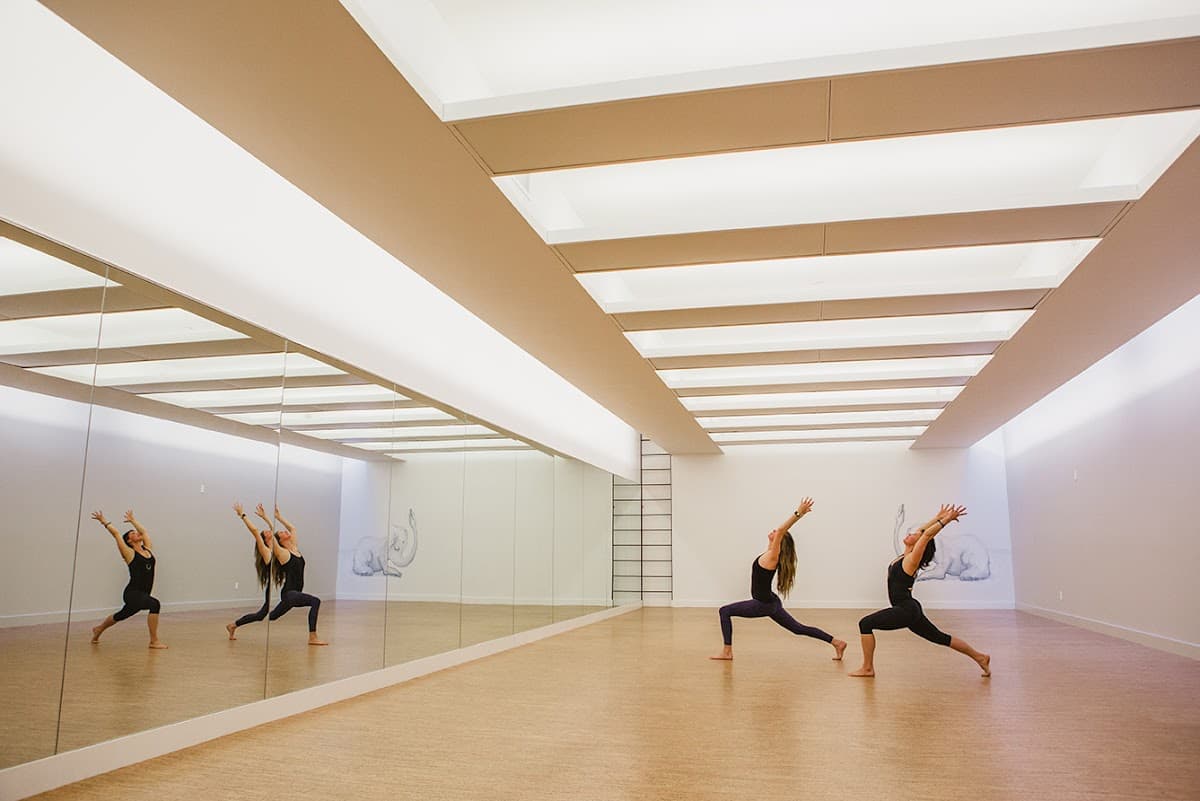
Brooklyn, New York
Ranging hot yoga classes are the focus at this urbane studio, which also includes a retail area.
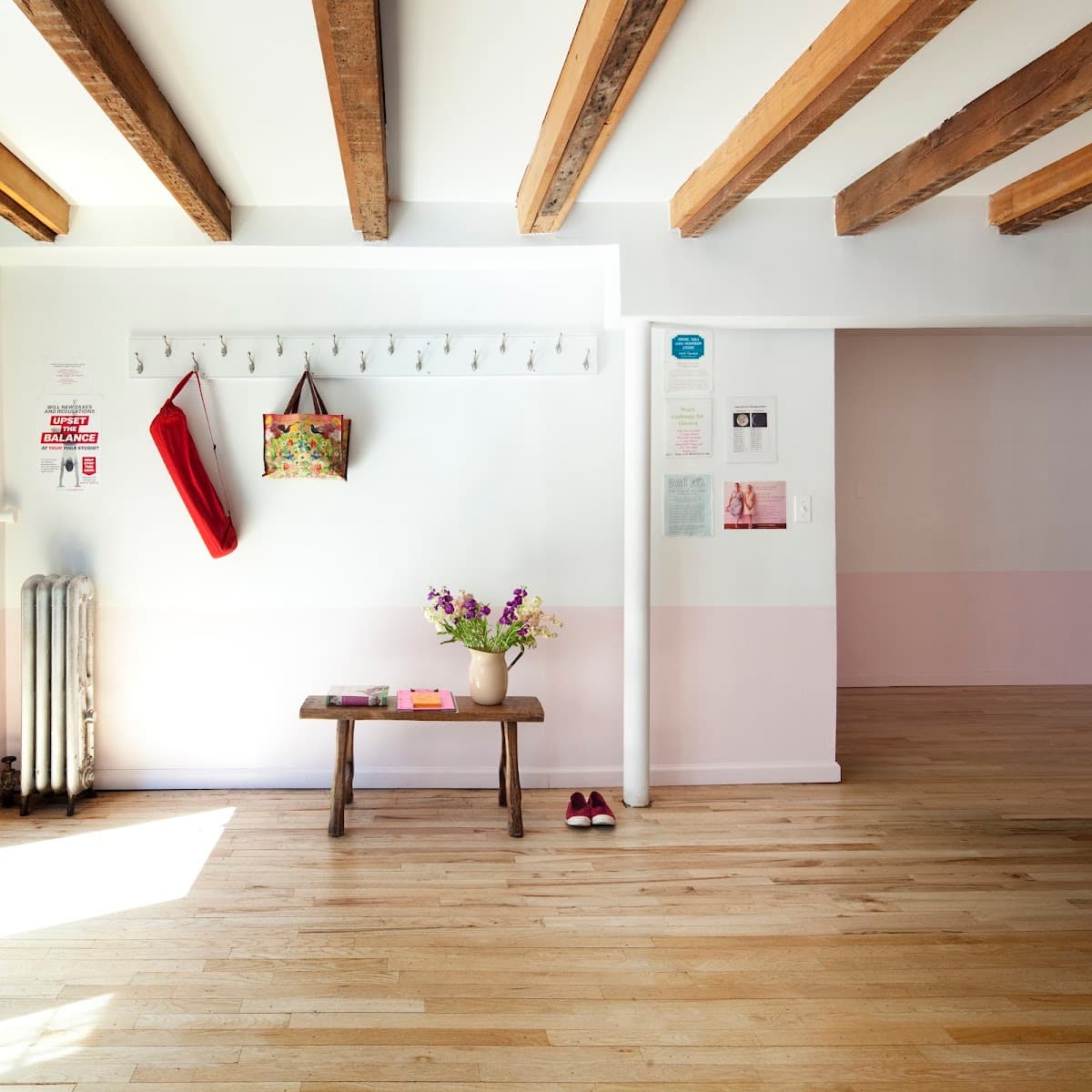
Brooklyn, New York

Manhattan, New York
Manhattan, New York

Brooklyn, New York

Manhattan, New York
Brooklyn, New York
Manhattan, New York
Brooklyn, New York

Brooklyn, New York
Brooklyn, New York
Yoga studio offering 60-minute creative-flow classes, plus candlelit & pay-what-you-can classes.

Brooklyn, New York

Brooklyn, New York
Brooklyn, New York

Queens, New York

Manhattan, New York
Queens, New York
Yoga nidra, often called "yogic sleep," is one of the most quietly transformative practices in the entire yoga world. Unlike the dynamic movement of a vinyasa flow or the precise alignment work of iyengar yoga, yoga nidra invites practitioners to lie completely still and travel inward through a guided meditation that leads the body to the threshold between waking and sleep. Those who discover it tend to become devoted almost immediately, marveling at how something so effortless can feel so profoundly restorative. A single session is said to deliver the equivalent of several hours of deep sleep, and many practitioners report emerging from a session feeling as though they have been gently reassembled from the inside out.
The roots of yoga nidra stretch back thousands of years into the tantric traditions of ancient India, where the practice was used as a vehicle for deep self-inquiry and spiritual awakening. In the twentieth century, the practice was systematized and brought to a broader audience largely through the work of Swami Satyananda Saraswati, a disciple of the legendary Swami Sivananda. Satyananda codified what he called the Bihar School method of yoga nidra in the 1960s and 1970s, drawing on both classical tantric teachings and emerging insights from modern psychology. His foundational text, Yoga Nidra, remains an essential resource for teachers and students alike. More recently, teachers such as Richard Miller have developed contemporary adaptations, including the iRest protocol, which has been used in clinical and therapeutic settings including veterans' programs and trauma recovery work.
A typical yoga nidra session is accessible to virtually anyone. Participants lie down in savasana, fully supported by blankets and bolsters if needed, and are guided through a structured sequence that includes a sankalpa or heartfelt intention, a systematic rotation of awareness through the body, exploration of breath and sensation, and a gentle movement through layers of consciousness. Sessions generally last between 30 and 60 minutes, and no prior yoga experience is required. The benefits are wide-ranging and well-documented, encompassing stress reduction, improved sleep quality, relief from anxiety and depression, and a deepened sense of self-awareness. It is particularly well-suited for people recovering from burnout, chronic stress, trauma, or illness, as well as for anyone who finds seated meditation challenging or simply wants a more restorative complement to an active practice. For anyone ready to discover what true rest and inner stillness actually feel like, yoga nidra offers an open and welcoming door.