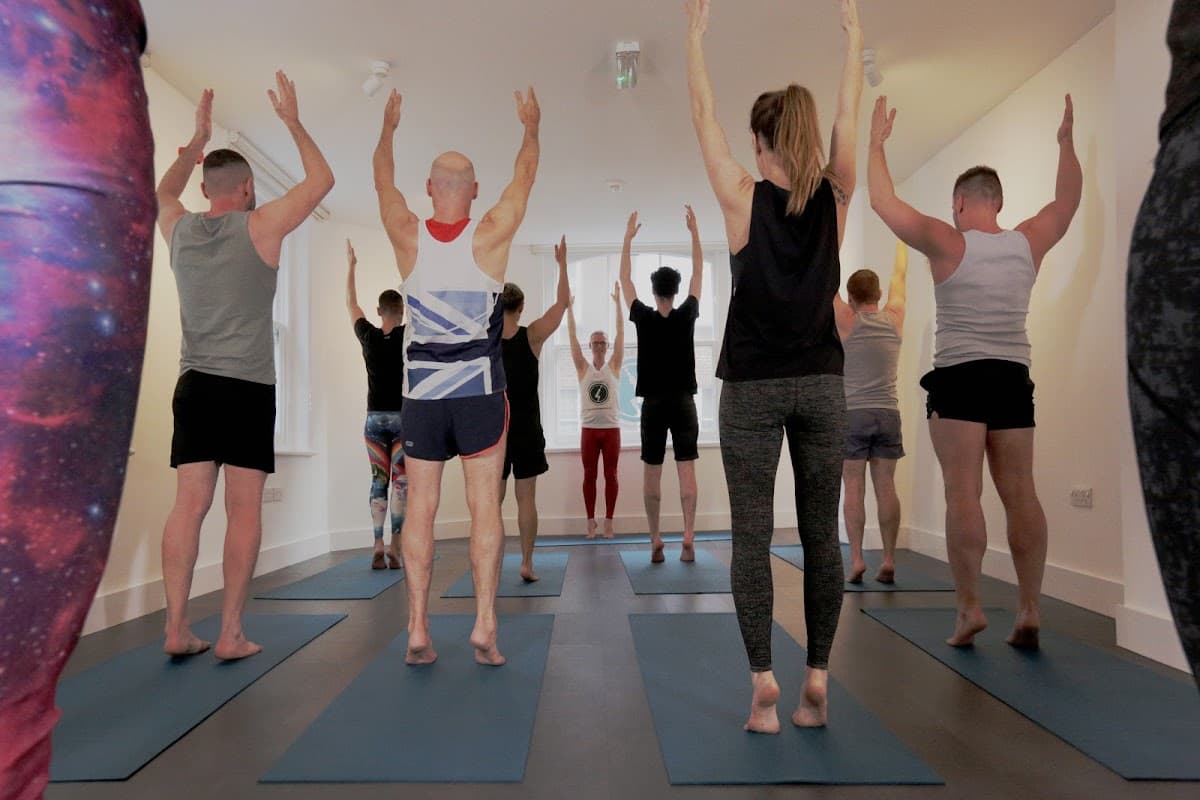
Brewer Street Yoga
England
men's-yogaprivate classesUrban
54 studios offering urban found within 10km of London
FindYoga lists 54 urban studios and class providers in London and within 10km. Browse timetables, compare styles and find the right urban session for your level — whether you're stepping on the mat for the first time or deepening an established practice.
England


England

England


England
England


England

England
England
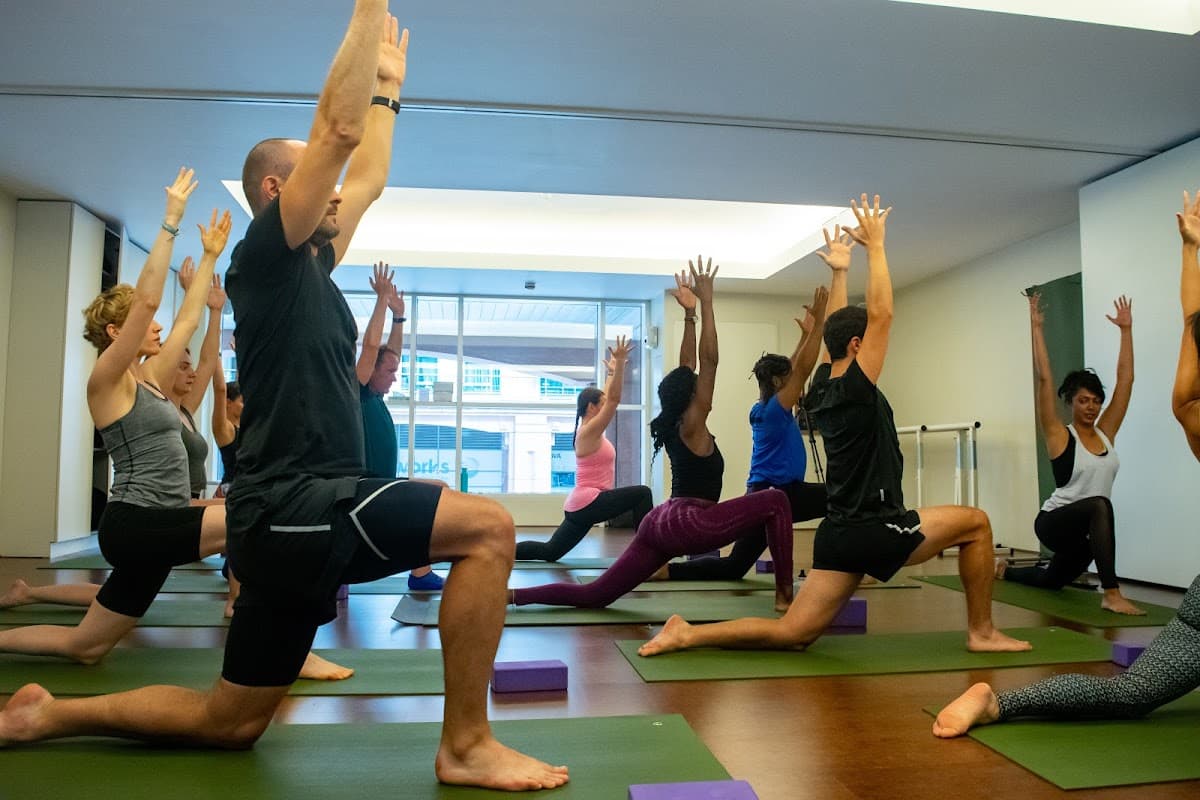
England
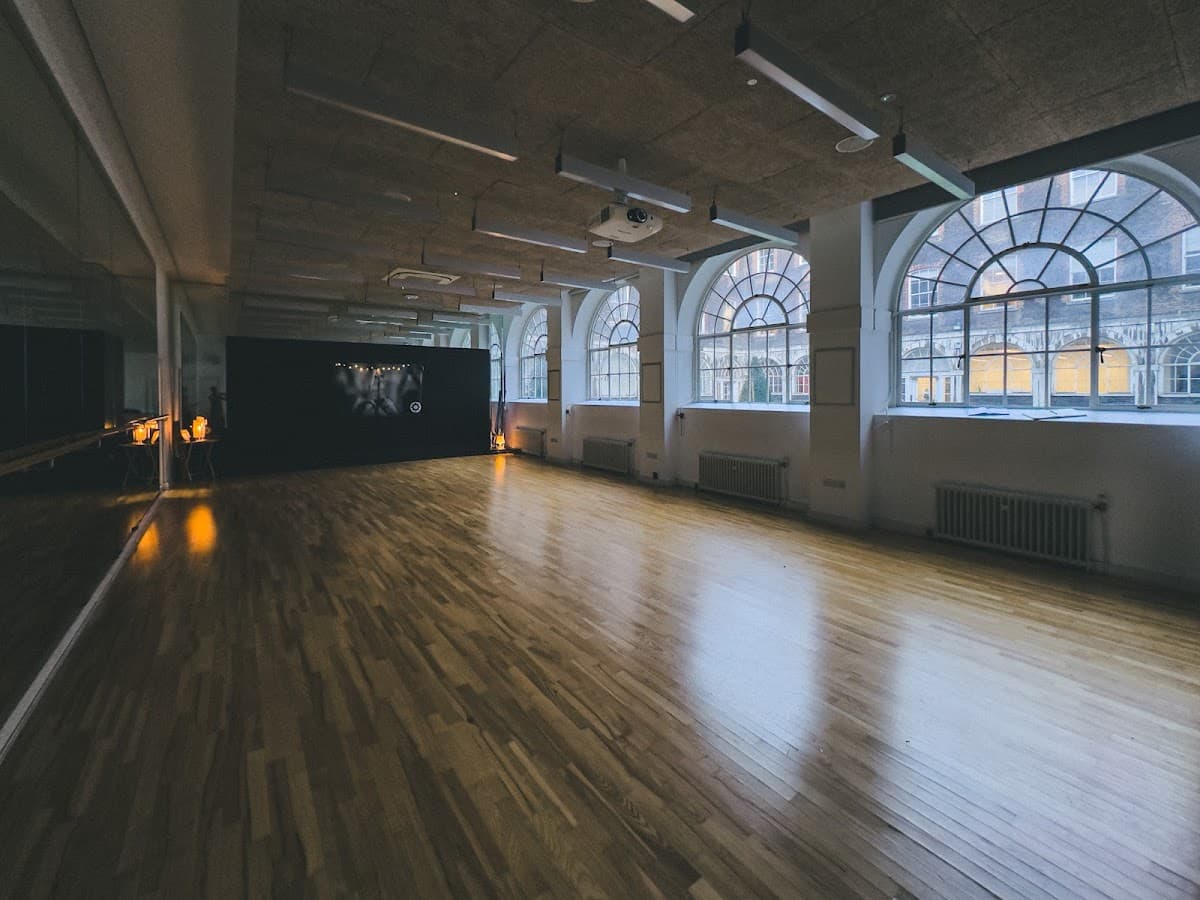

England
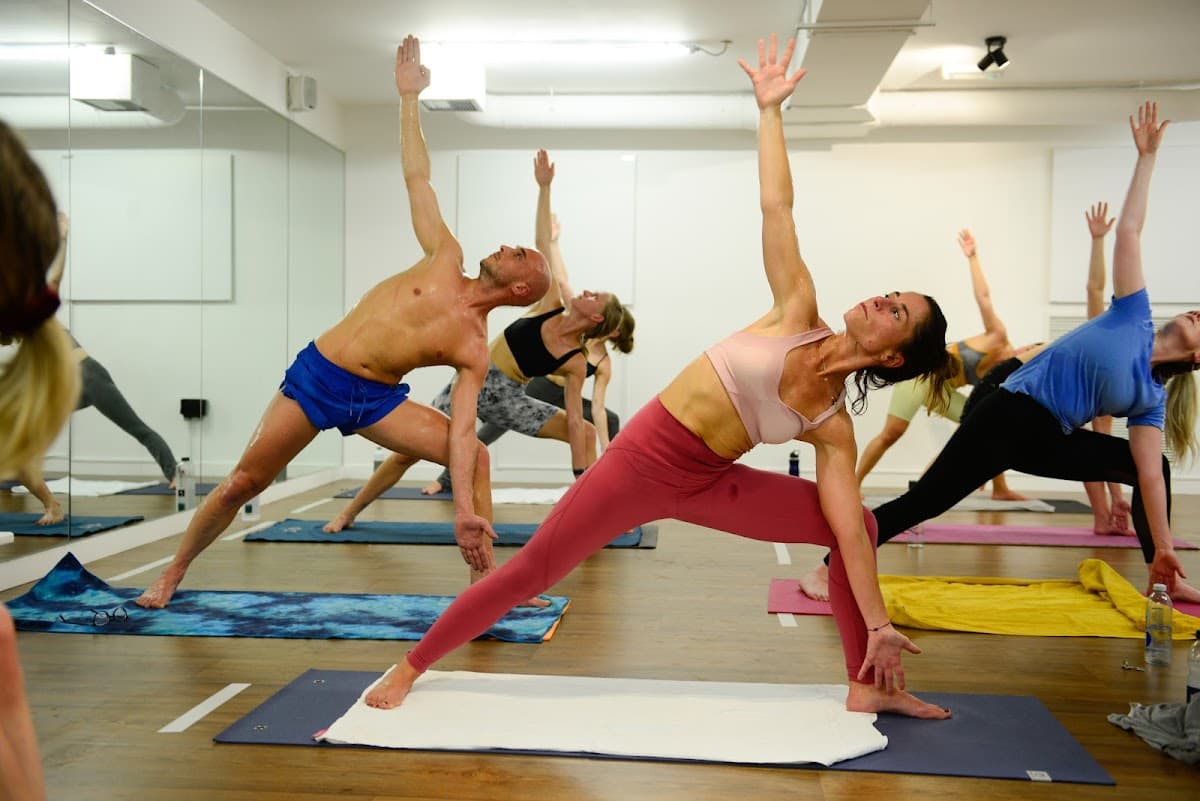
England
England
England
England


England

England

England
England

England
England
England
England

England
England
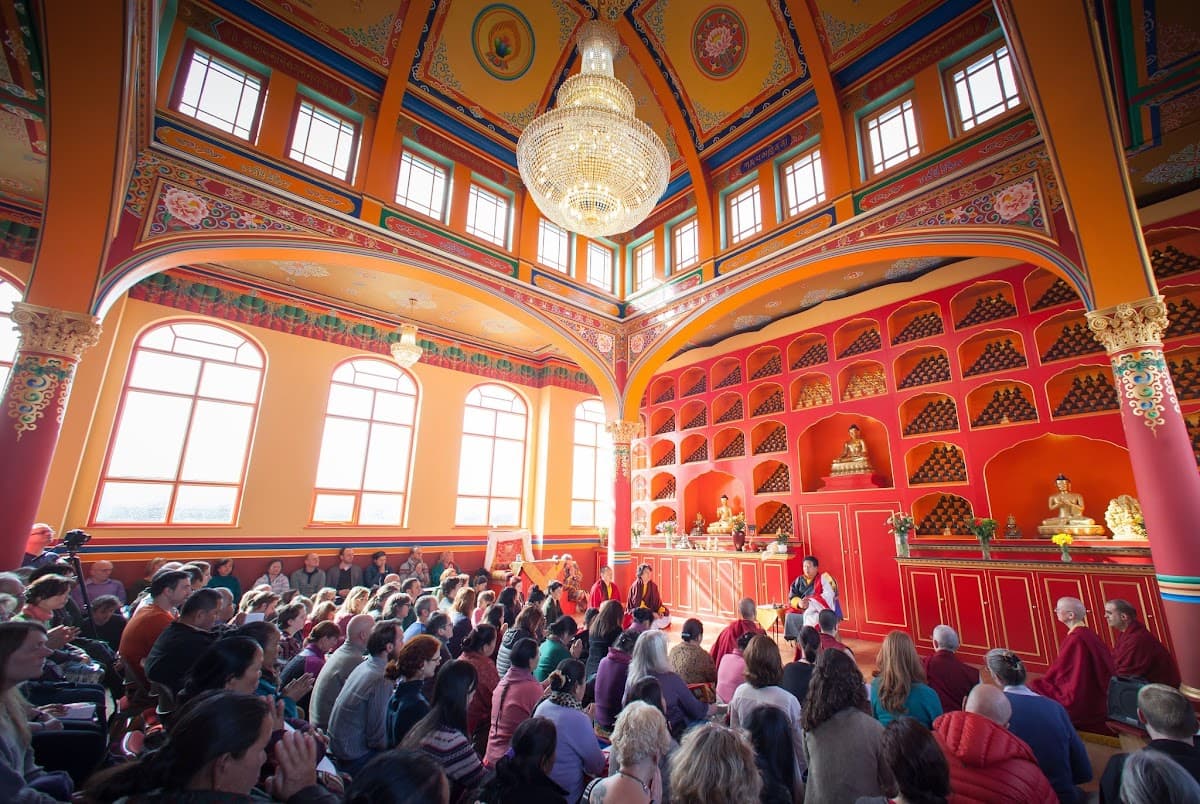
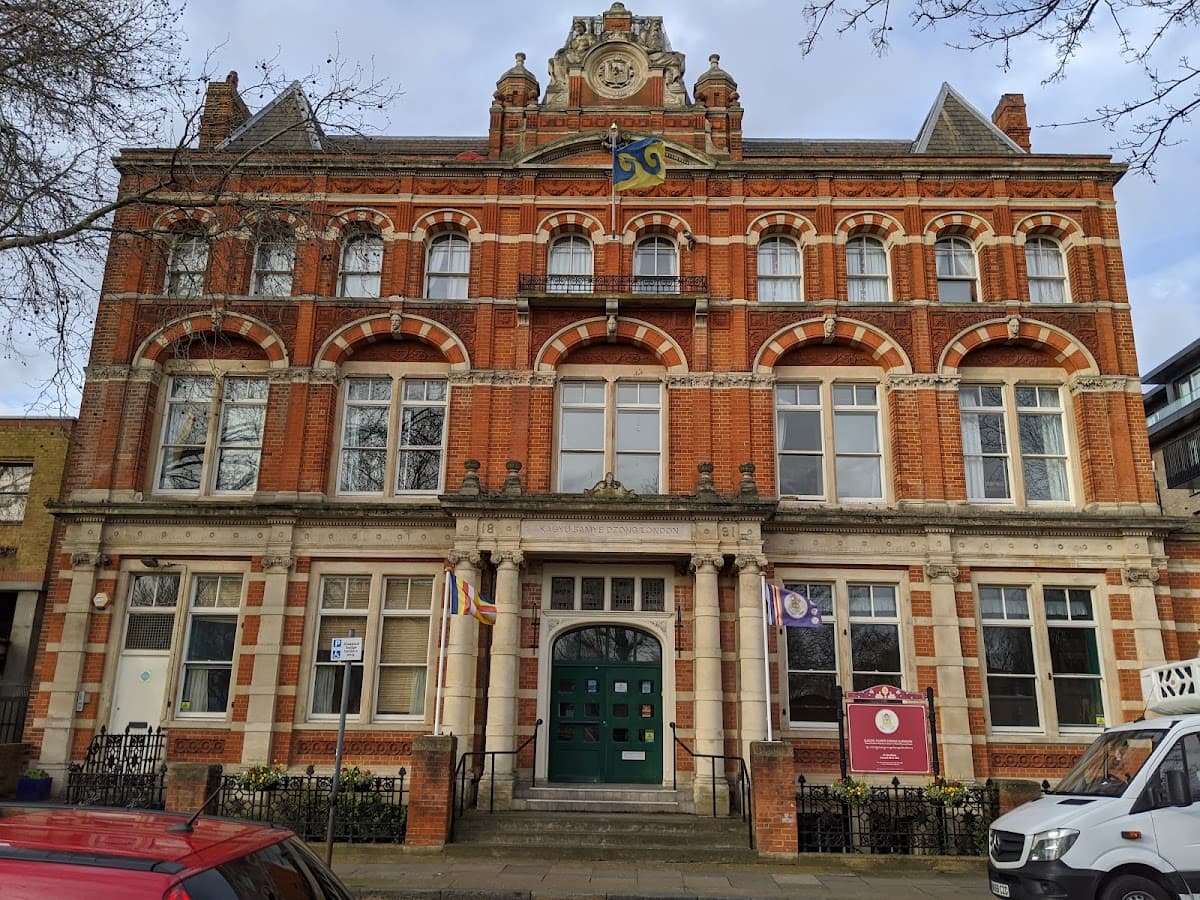
Tibetan Buddhist community/meditation centre at colourful facility in a converted Victorian library.
Urban yoga is yoga reimagined for the rhythm and reality of city life. It embraces the energy, diversity, and pace of metropolitan environments, bringing the ancient practice of yoga into community centers, rooftop terraces, park lawns, converted warehouses, and even subway platforms. Rather than requiring a serene mountain retreat or a purpose-built studio, urban yoga meets practitioners exactly where they are — amid the hum of traffic, the pulse of neighborhoods, and the beautiful chaos of modern living. People love it because it dissolves the idea that yoga belongs only to those with the time or resources to seek out quiet perfection. It is accessible, adaptable, and deeply human, shaped as much by the city around it as by the traditions it draws upon.
The urban yoga movement gained momentum in the late 1990s and early 2000s, as yoga's popularity exploded across Western cities and teachers began asking bold questions about who the practice was truly serving. Influenced by social justice advocates and community organizers within the wellness world, teachers like Hala Khouri and Jacoby Ballard helped pioneer accessible, trauma-informed approaches that brought yoga into underserved neighborhoods, prisons, schools, and shelters. Their work challenged the mainstream yoga industry to look beyond upscale studios and acknowledge the full spectrum of the communities surrounding them. Urban yoga is not tied to a single lineage or founder, but rather represents a philosophy — one that honors traditional roots while refusing to let geography, income, or background be barriers to practice.
A typical urban yoga session might take place on a rooftop at sunrise, in a lunchtime pop-up class in a corporate atrium, or in an open-air park gathering on a summer evening. The formats vary widely, drawing from vinyasa, hatha, restorative, or power traditions depending on the teacher and setting. Physically, practitioners can expect improved strength, flexibility, and stress relief — benefits that feel especially meaningful when life moves fast and tension accumulates in the body without pause. Mentally, urban yoga offers a rare pocket of stillness within days that rarely slow down, cultivating focus, emotional resilience, and a genuine sense of connection with neighbors and strangers alike. It is ideally suited for city dwellers of all ages and experience levels, from seasoned practitioners looking to deepen their relationship with their surroundings to complete beginners who have never felt comfortable walking into a traditional studio. For anyone who has ever thought that yoga simply was not made for their world, urban yoga offers a quiet, powerful reminder that the practice was always meant for exactly this.