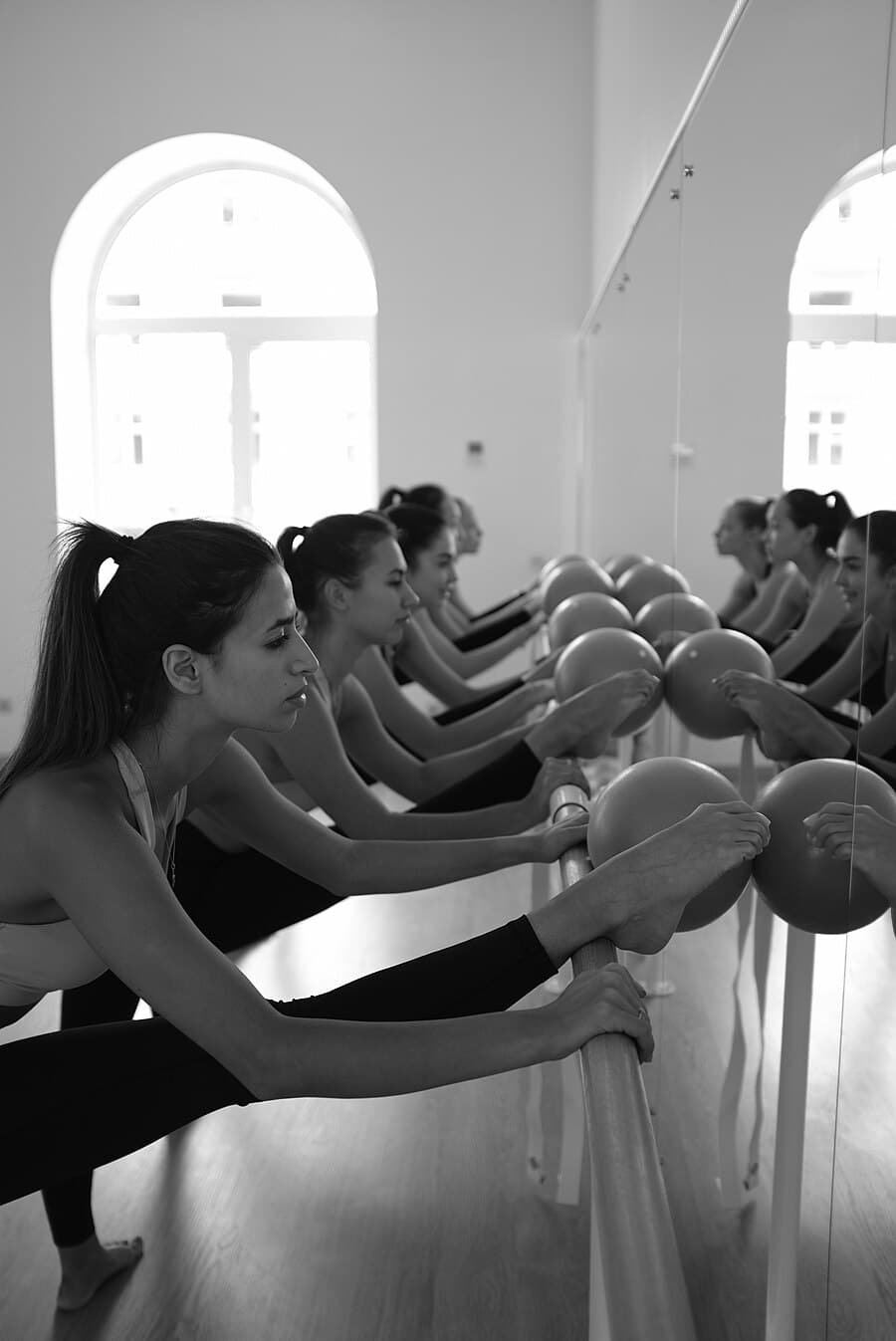
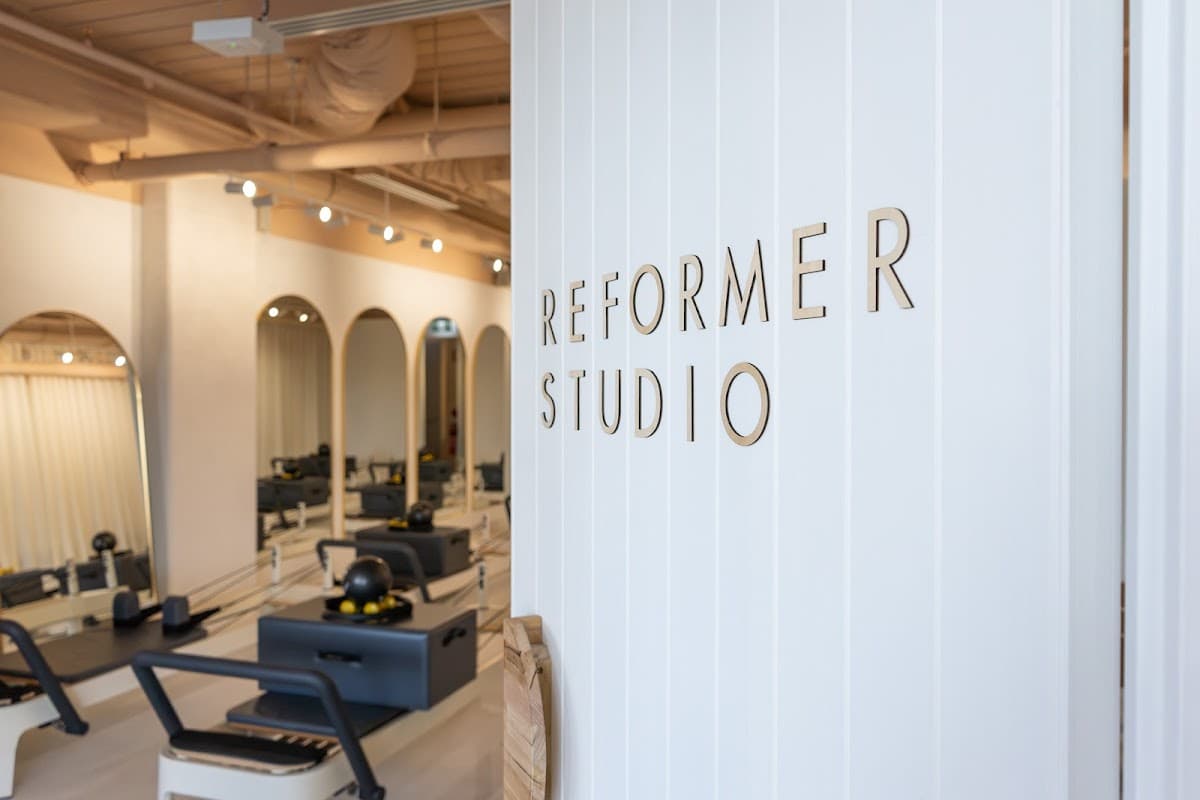
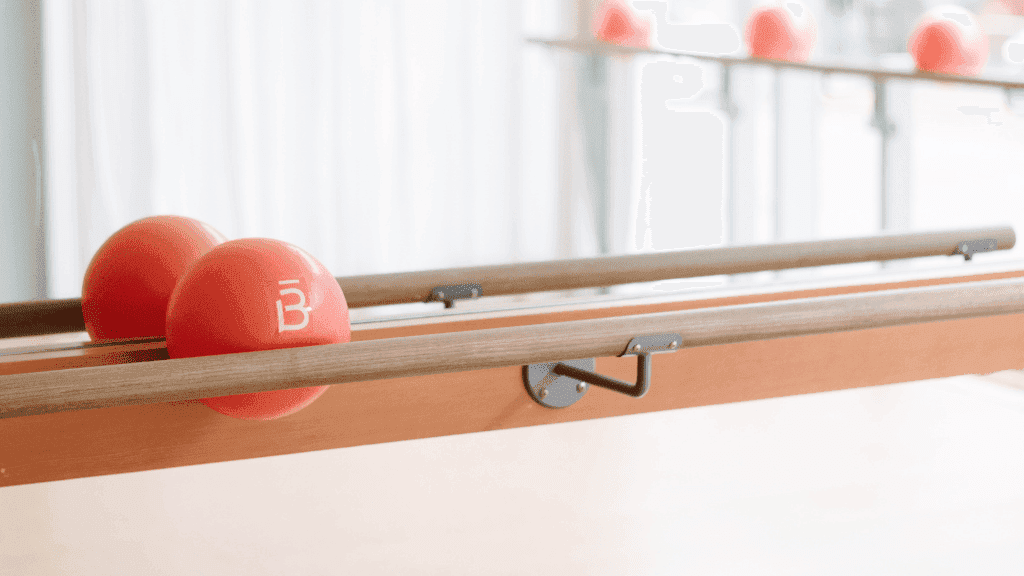
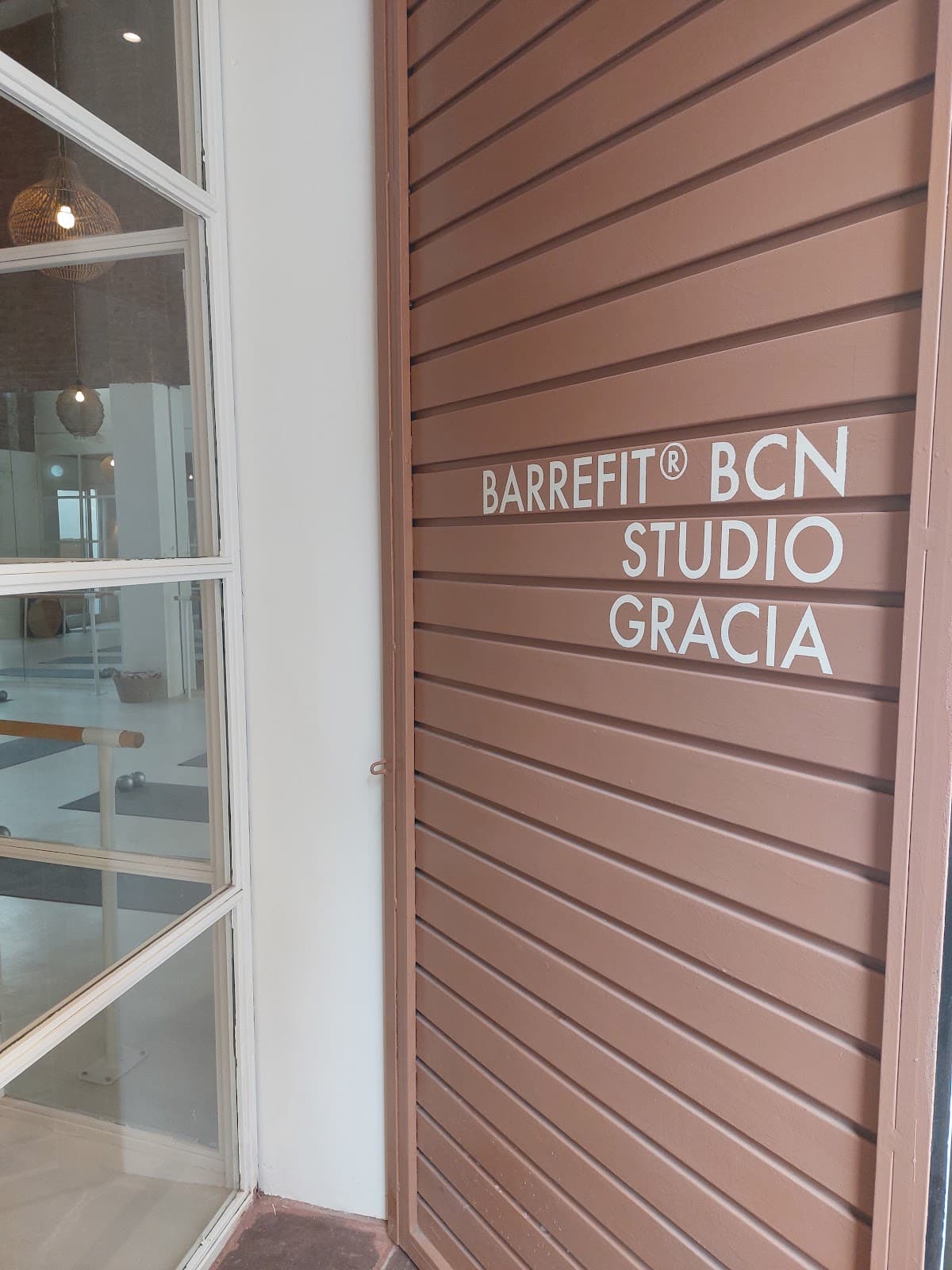
Barre is a fitness discipline that blends the precision of classical ballet training with the strengthening principles of Pilates and yoga, creating a low-impact yet remarkably effective full-body workout. Practiced at a ballet barre or using a chair for support, it has captured the hearts of millions around the world for its ability to sculpt long, lean muscles without placing undue stress on the joints. People love it because it feels graceful and intentional rather than punishing — a rare quality in the fitness world — and because the results, from improved posture to toned arms, thighs, and core, tend to speak powerfully for themselves.
The origins of barre trace back to 1959, when Lotte Berk, a German dancer who had relocated to London, injured her back and began developing a rehabilitation routine that fused her ballet training with therapeutic exercises. She opened a studio on Manchester Street in London, and her method quickly attracted a devoted following. Her approach eventually crossed the Atlantic, and American instructors adapted and evolved it into the many barre formats practiced today. While the style has branched into numerous variations, the core philosophy remains consistent: small, precise, isometric movements that target specific muscle groups, followed by stretching to lengthen and release what has just been worked.
A typical barre session is structured, purposeful, and energizing. Classes usually begin with a standing warm-up, move through upper-body work using light weights, transition to barre work focusing on the lower body and glutes through those signature small pulsing movements, and close with core exercises and a final stretch. The micro-movements may look subtle from the outside, but they generate a deep muscular burn that surprises even seasoned athletes. Beyond the physical, barre cultivates body awareness, concentration, and a meditative quality of presence that leaves practitioners feeling both accomplished and calm. Regular practice supports better alignment, increased flexibility, and stronger stabilizing muscles that benefit everyday movement and reduce injury risk.
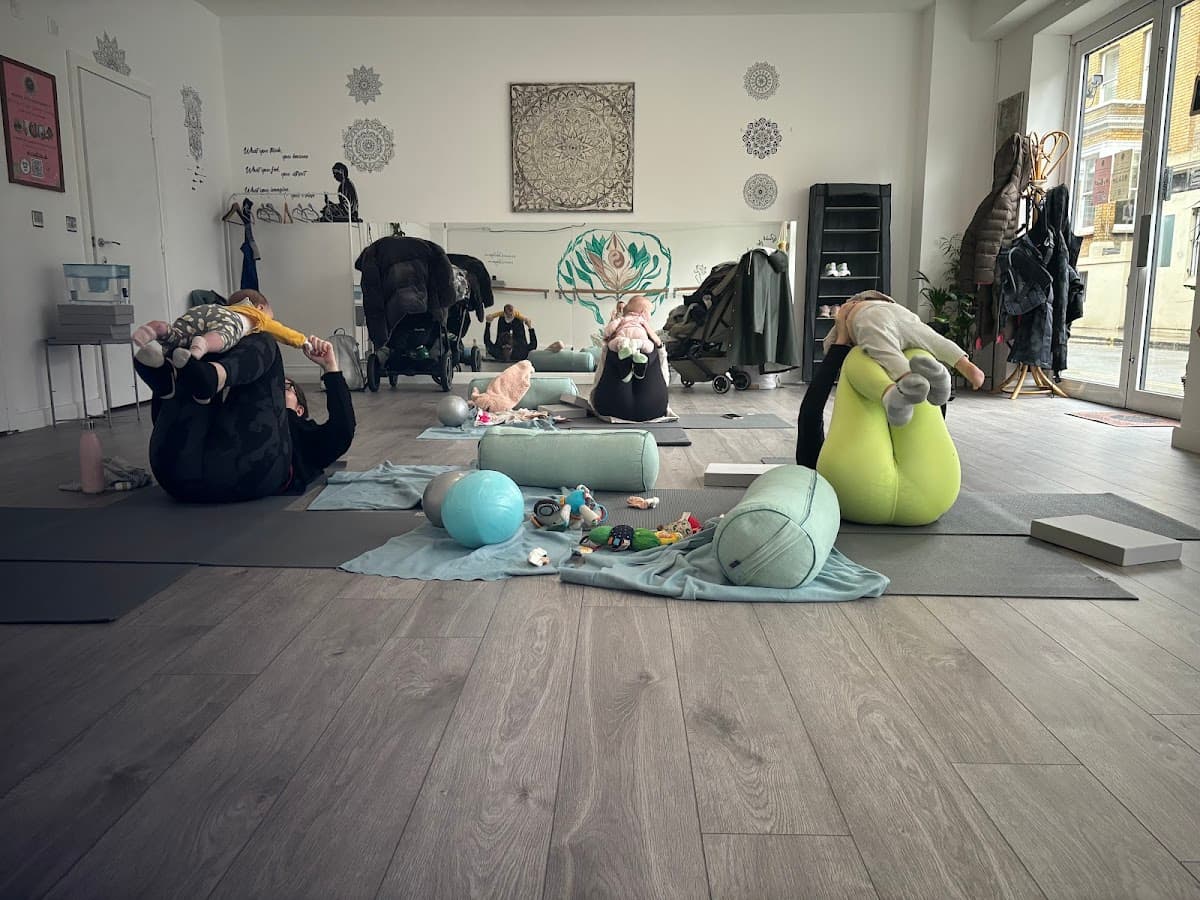
Barre is beautifully suited for a wide range of people — those returning to exercise after injury or pregnancy, dancers wishing to cross-train, athletes looking to address muscular imbalances, and anyone seeking a mindful yet challenging movement practice. No dance experience whatsoever is required, and most classes welcome all fitness levels with modifications readily available. Whether someone is drawn to its ballet-inspired elegance, its therapeutic foundations, or simply the promise of feeling stronger in their own skin, barre offers a genuinely transformative path — one small, intentional movement at a time.