Andre Berry Meditation
England
MeditationphilosophyBeginners
33 studios offering pranayama found within 10km of London
FindYoga lists 33 pranayama studios and class providers in London and within 10km. Browse timetables, compare styles and find the right pranayama session for your level — whether you're stepping on the mat for the first time or deepening an established practice.
England
England

England
England

England
England
England

England

England
England
England
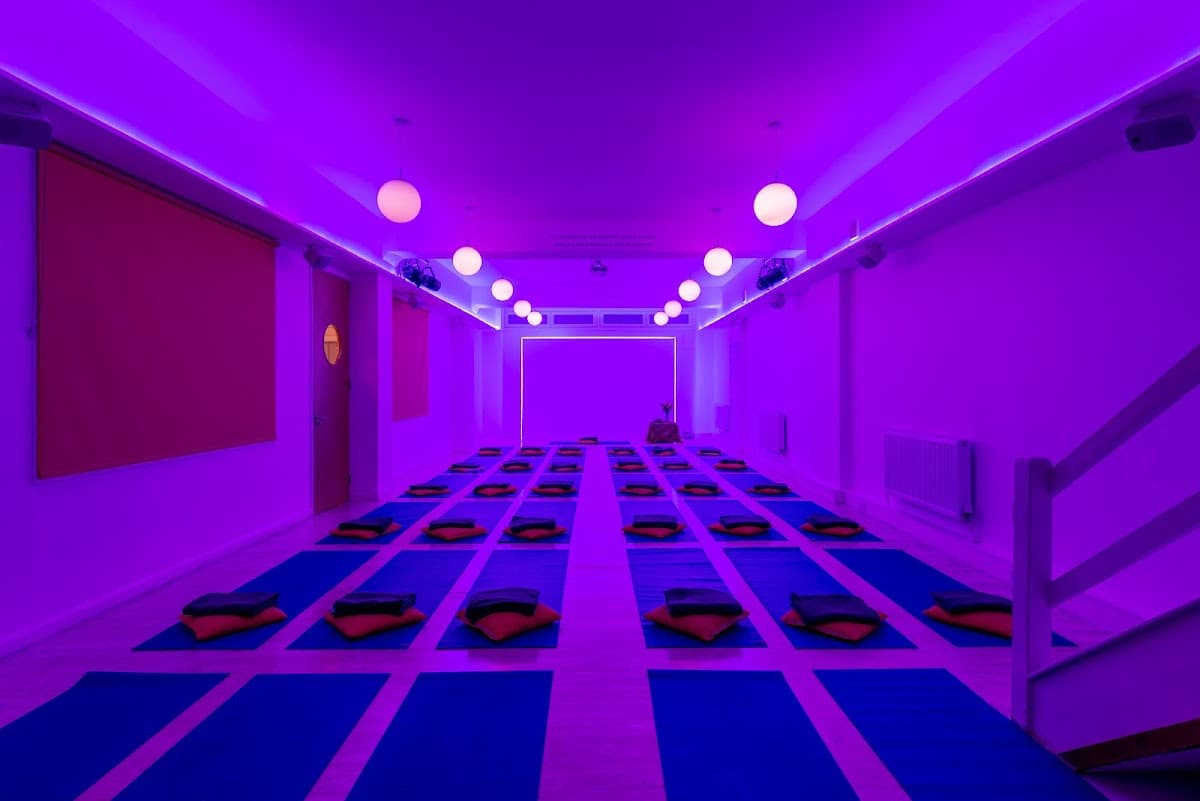
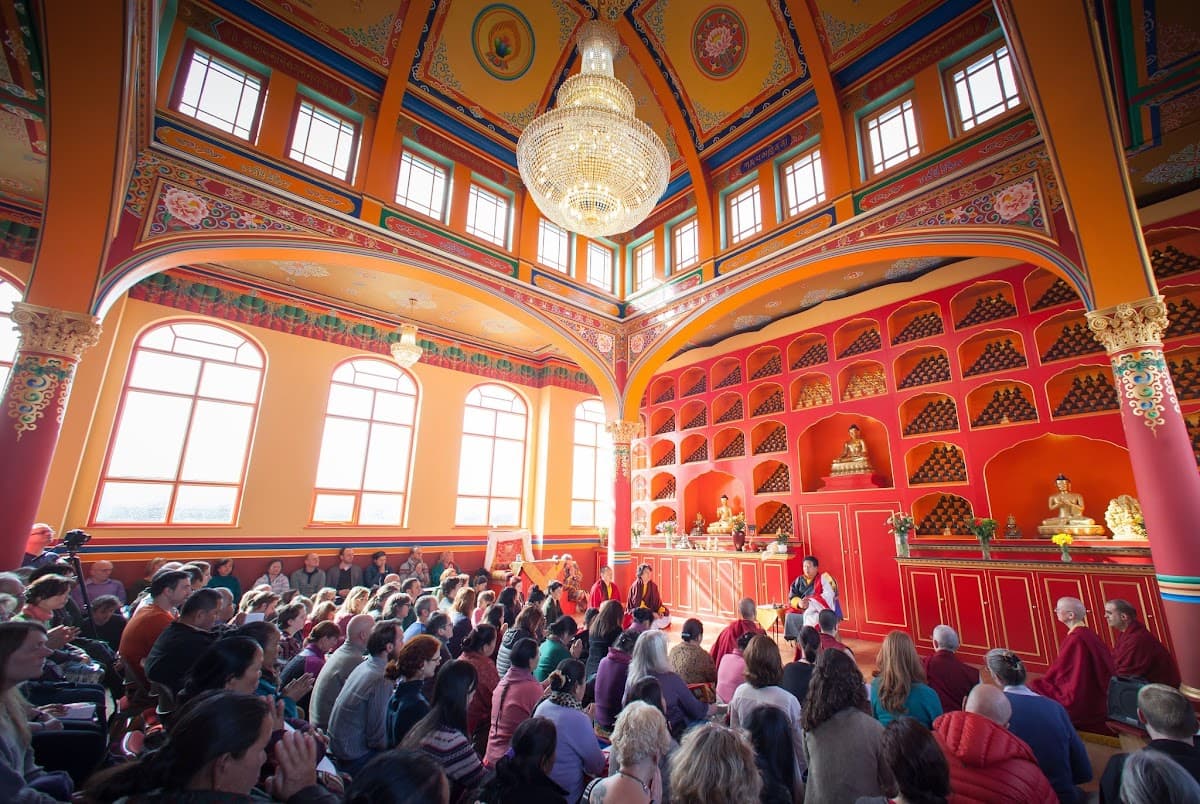
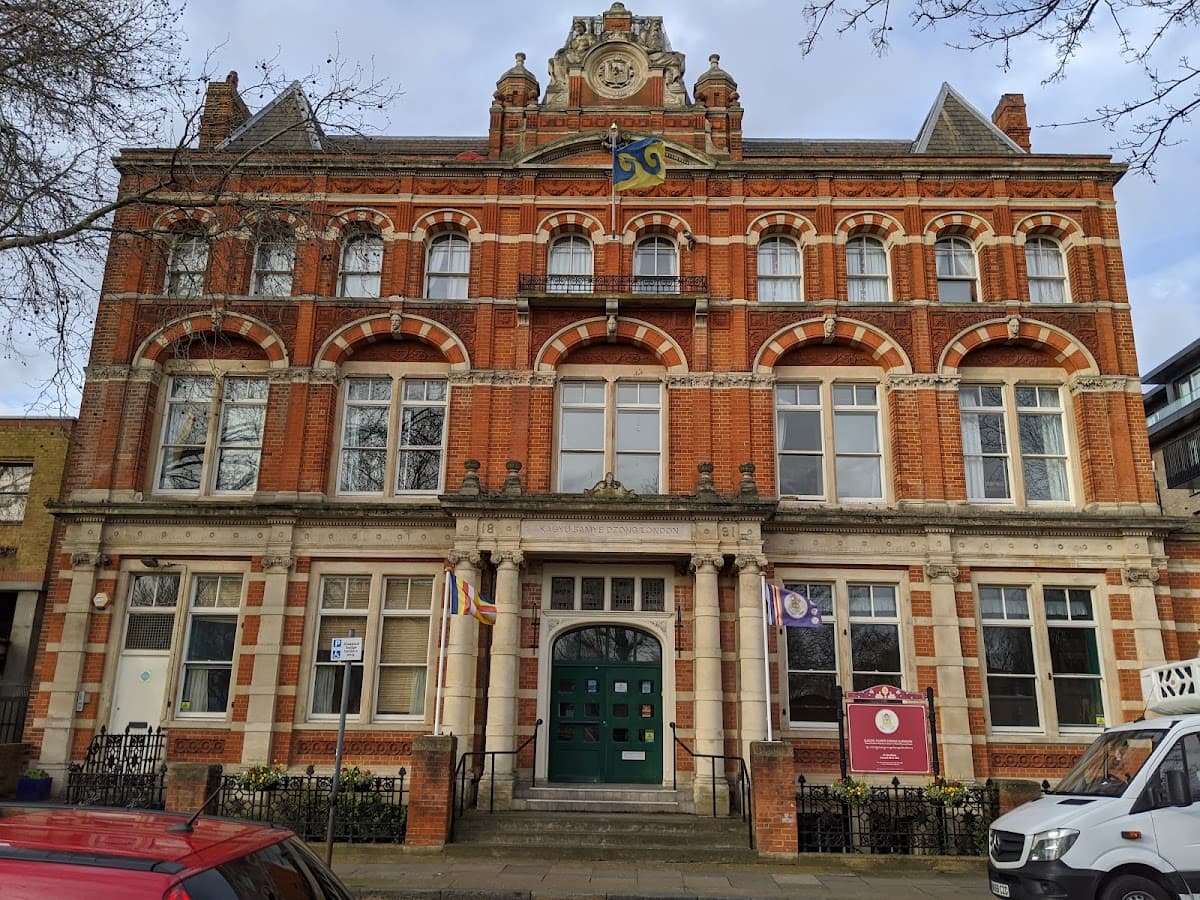
Tibetan Buddhist community/meditation centre at colourful facility in a converted Victorian library.
England
England
England
England

England

England
England
England
England

England
England

England

England
Pranayama is the ancient yogic science of breath control — a practice that transforms something as ordinary as breathing into a profound tool for healing, clarity, and inner transformation. Rooted in the understanding that the breath is the bridge between body and mind, pranayama draws on deliberate techniques of inhalation, exhalation, and retention to regulate the flow of prana, or life-force energy, throughout the entire system. Practitioners are drawn to it for the way it delivers immediate, tangible results: a single session can dissolve anxiety, sharpen mental focus, lower blood pressure, and leave a person feeling both deeply calm and quietly energized. Unlike many wellness practices that require years of training before benefits emerge, pranayama has a way of offering something meaningful from the very first breath.
The roots of pranayama stretch back thousands of years into the Vedic traditions of ancient India, with detailed teachings codified in classical texts including the Yoga Sutras of Patanjali, who identified pranayama as one of the eight essential limbs of yoga, and the Hatha Yoga Pradipika, a fifteenth-century manual that catalogued specific techniques still practiced today. In the modern era, teachers like Tirumalai Krishnamacharya and his student B.K.S. Iyengar brought rigorous attention to pranayama as a standalone discipline, insisting that breath work was not merely a warm-up to physical postures but a sophisticated practice deserving deep, dedicated study. Swami Sivananda and later his disciple Swami Vishnu-devananda also played significant roles in bringing structured pranayama instruction to Western audiences throughout the twentieth century, making these techniques accessible to students far beyond India's borders.
A typical pranayama session involves sitting comfortably in stillness and moving through a series of guided breathing exercises, which might include nadi shodhana, or alternate nostril breathing, to balance the nervous system; kapalabhati, a rhythmic cleansing breath to invigorate energy and clear the lungs; or bhramari, the humming bee breath, to quiet the mind and ease stress. Sessions can last anywhere from fifteen minutes to an hour and are often woven into a broader yoga practice or offered as a focused standalone class. The physical benefits include improved lung capacity, better circulation, and reduced cortisol levels, while the mental and emotional rewards encompass greater resilience, emotional regulation, and a deepened sense of presence. Pranayama is beautifully suited for beginners and seasoned practitioners alike, as well as for anyone navigating stress, respiratory challenges, or a desire for greater self-awareness. For anyone ready to discover just how transformative the simple act of breathing can be, pranayama is an invitation worth accepting.