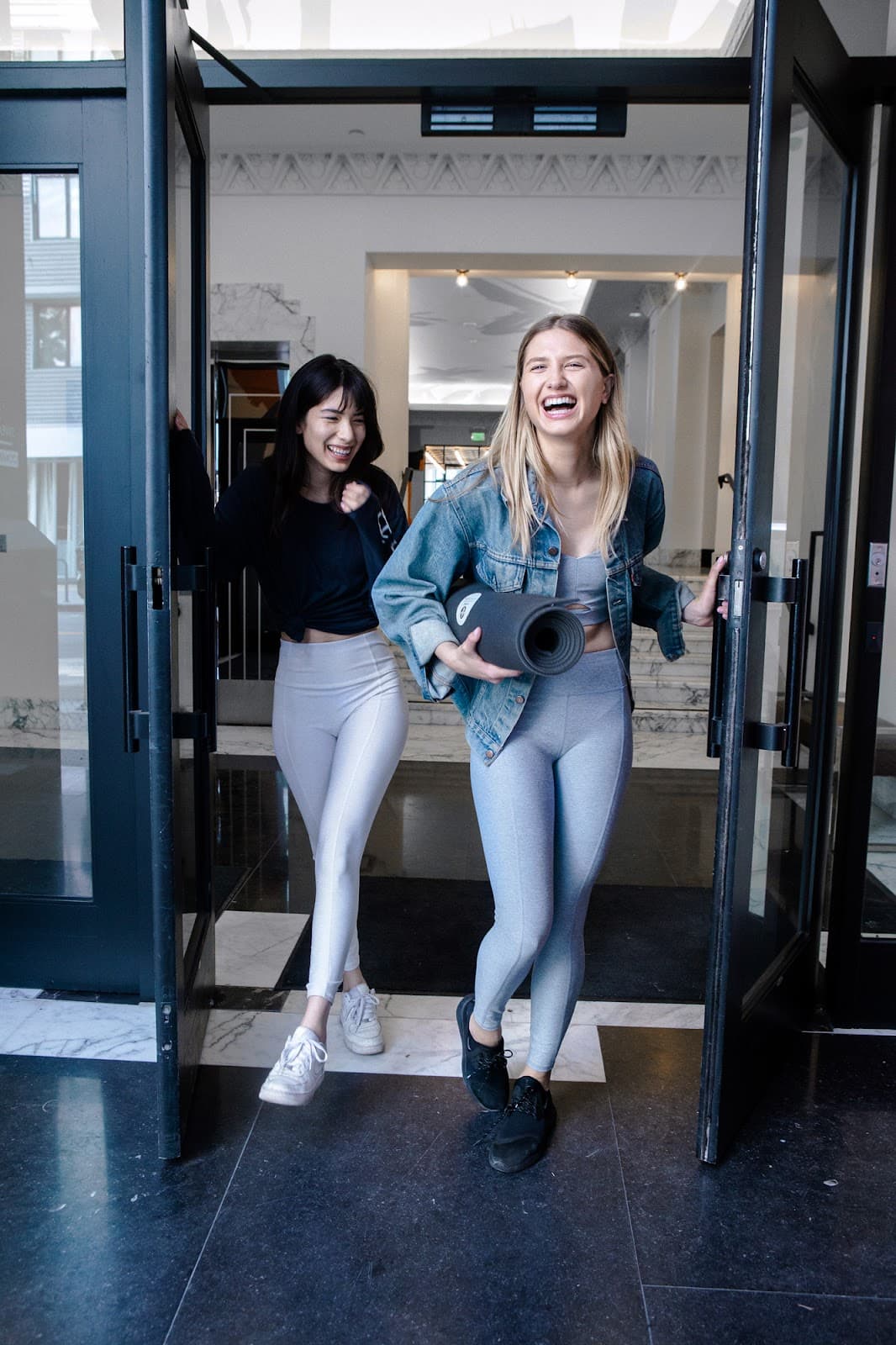
Sweat Yoga DTLA
Los Angeles, California
Hot YogaMeditationasana
13 studios offering restorative found near Los Angeles
FindYoga lists 13 restorative studios and class providers in Los Angeles. Browse timetables, compare styles and find the right restorative session for your level — whether you're stepping on the mat for the first time or deepening an established practice.
Los Angeles, California
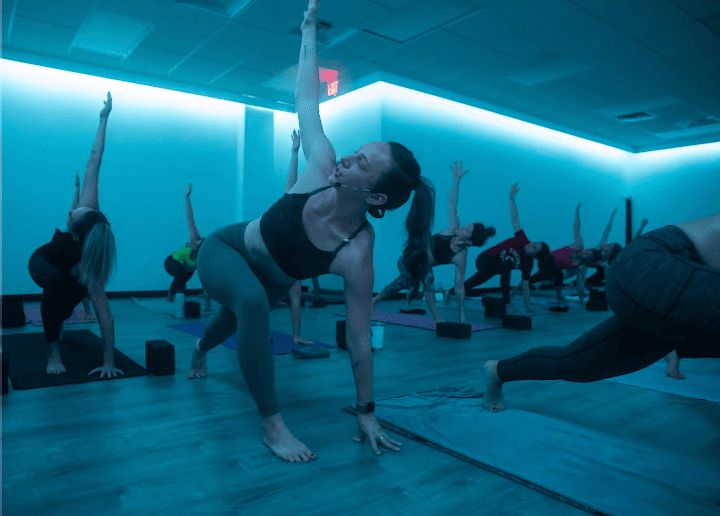
Los Angeles, California
West Hollywood, California
Pasadena, California
Vinyasa, Ashtanga & other yoga classes are the draw at this intimate studio with a laid-back vibe.
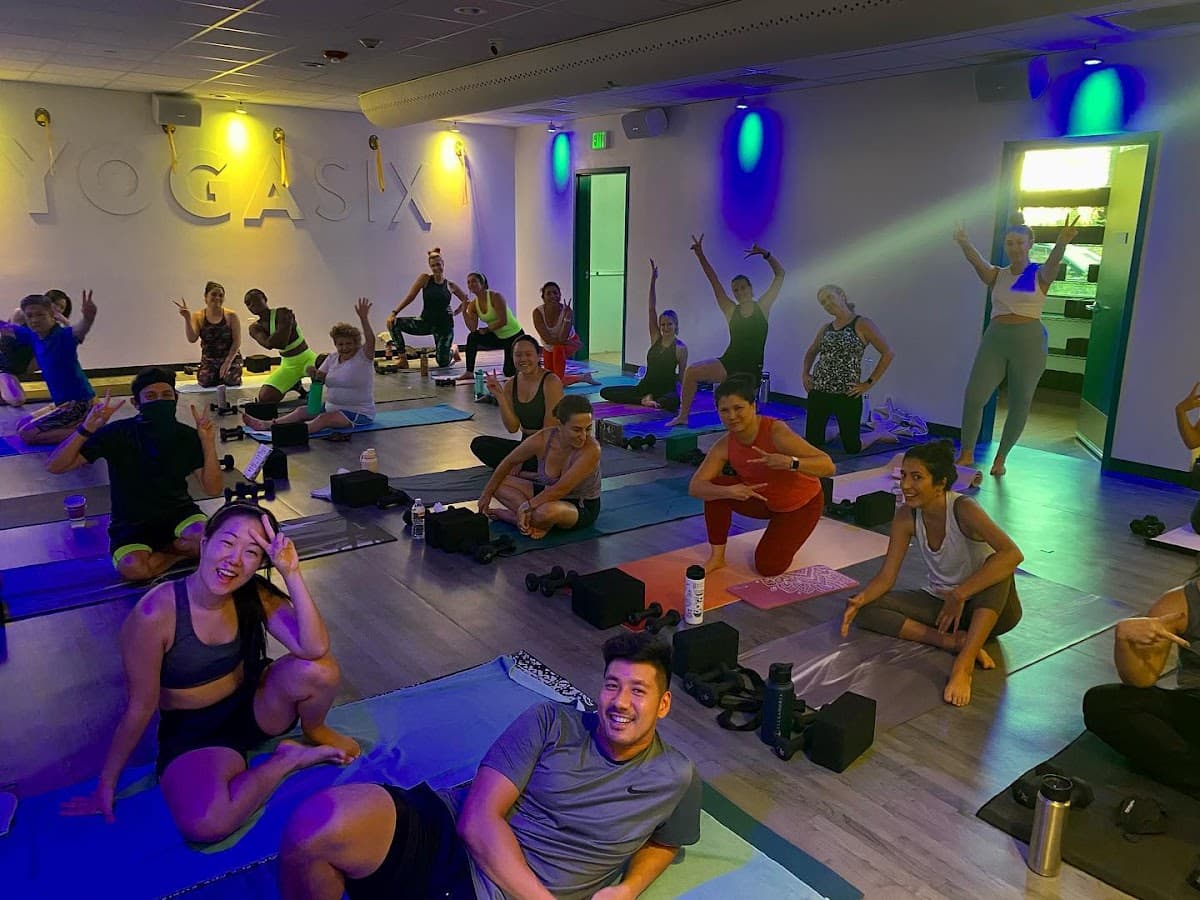
Pasadena, California
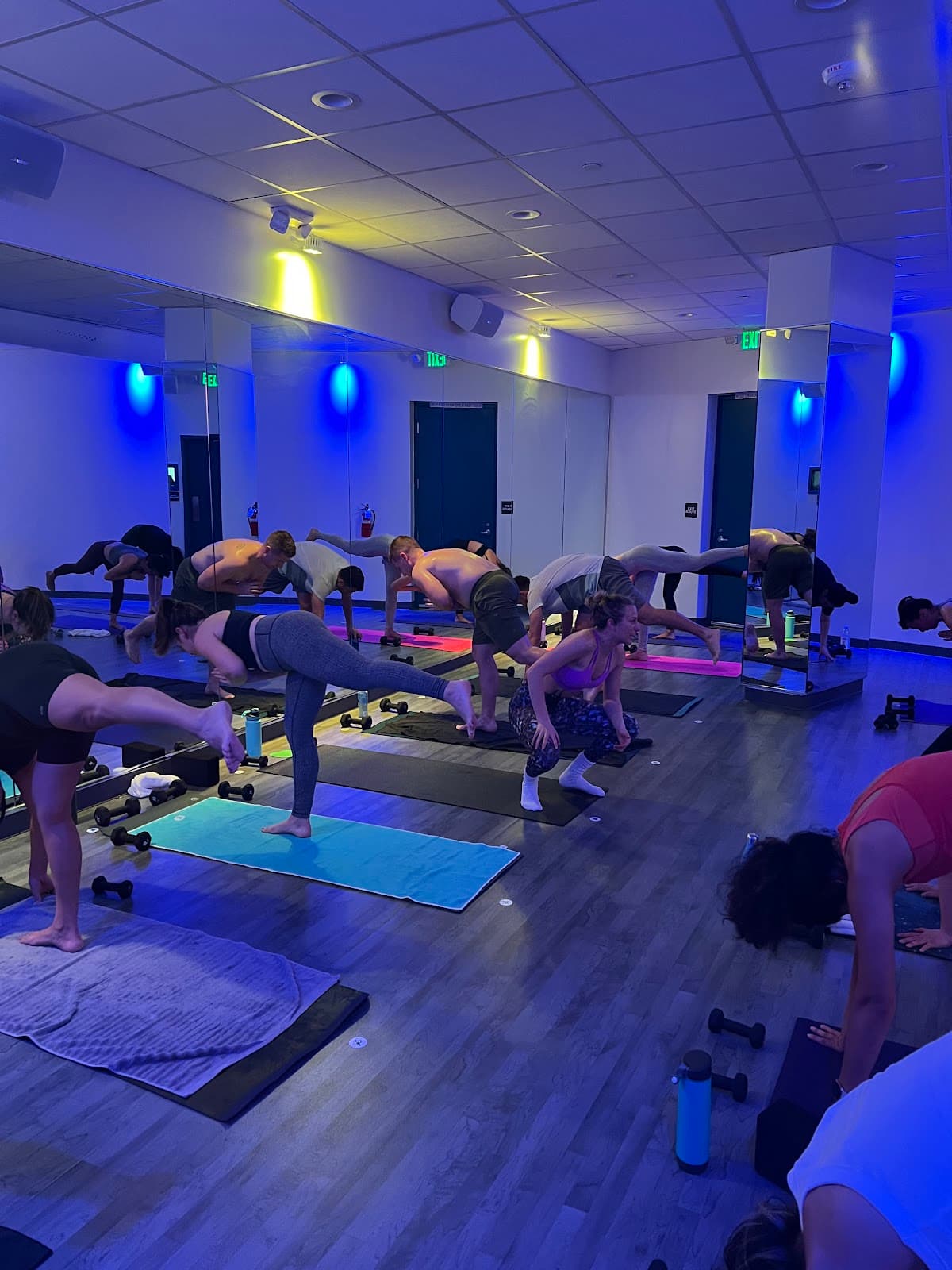
Culver City, California
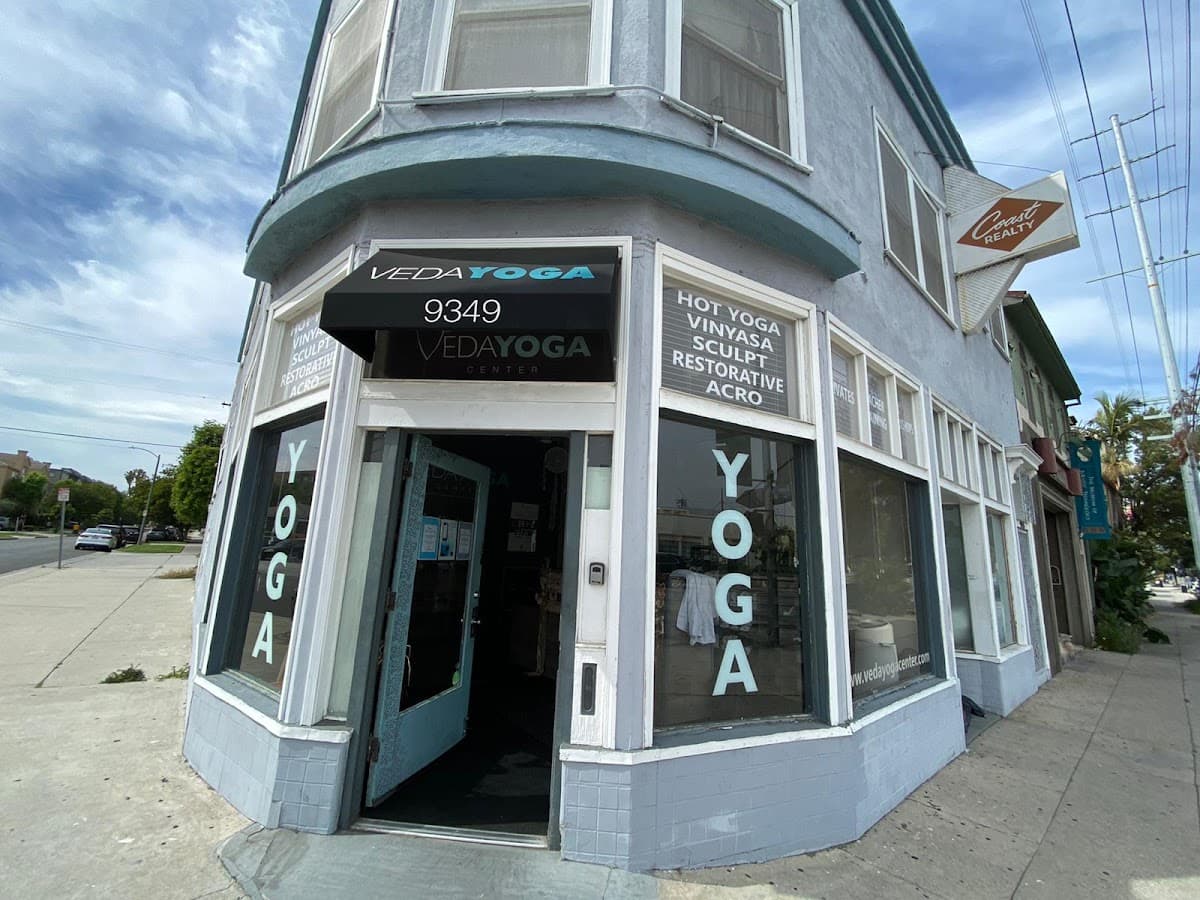
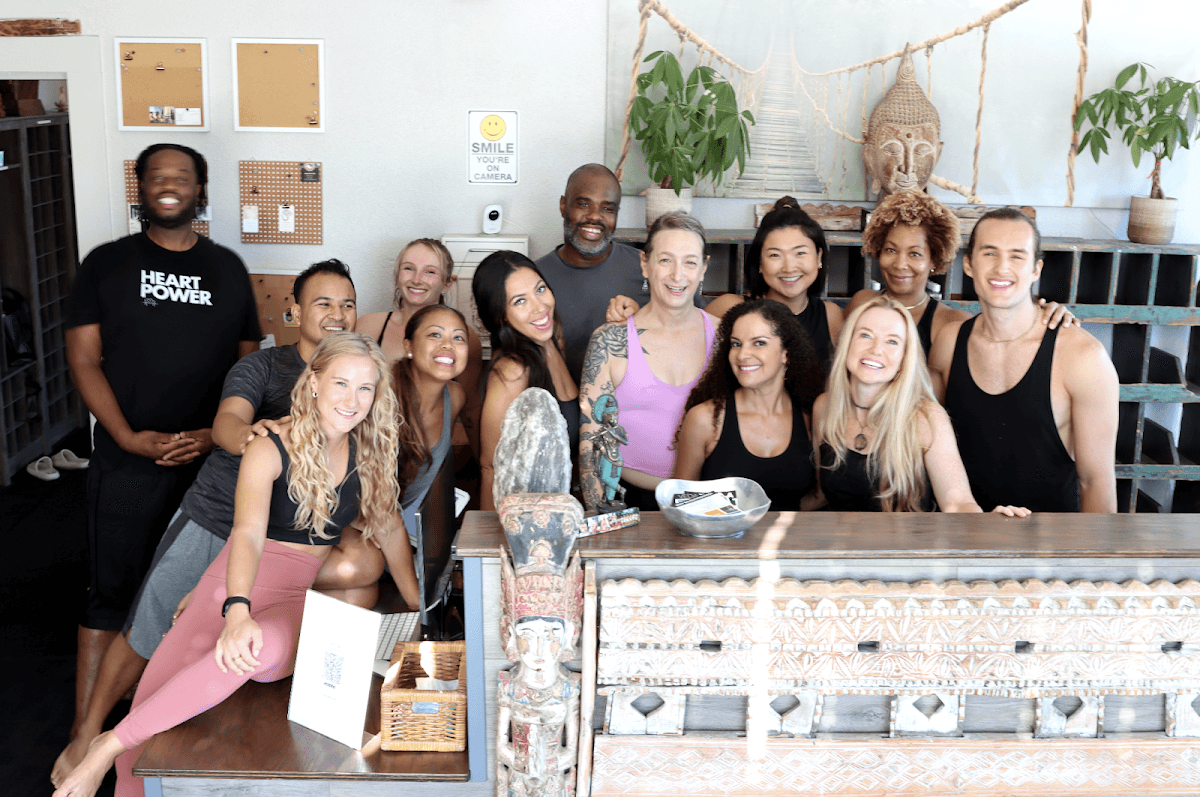
Culver City, California
Upbeat facility featuring Vinyasa & restorative yoga classes, plus Kirtan music sessions.
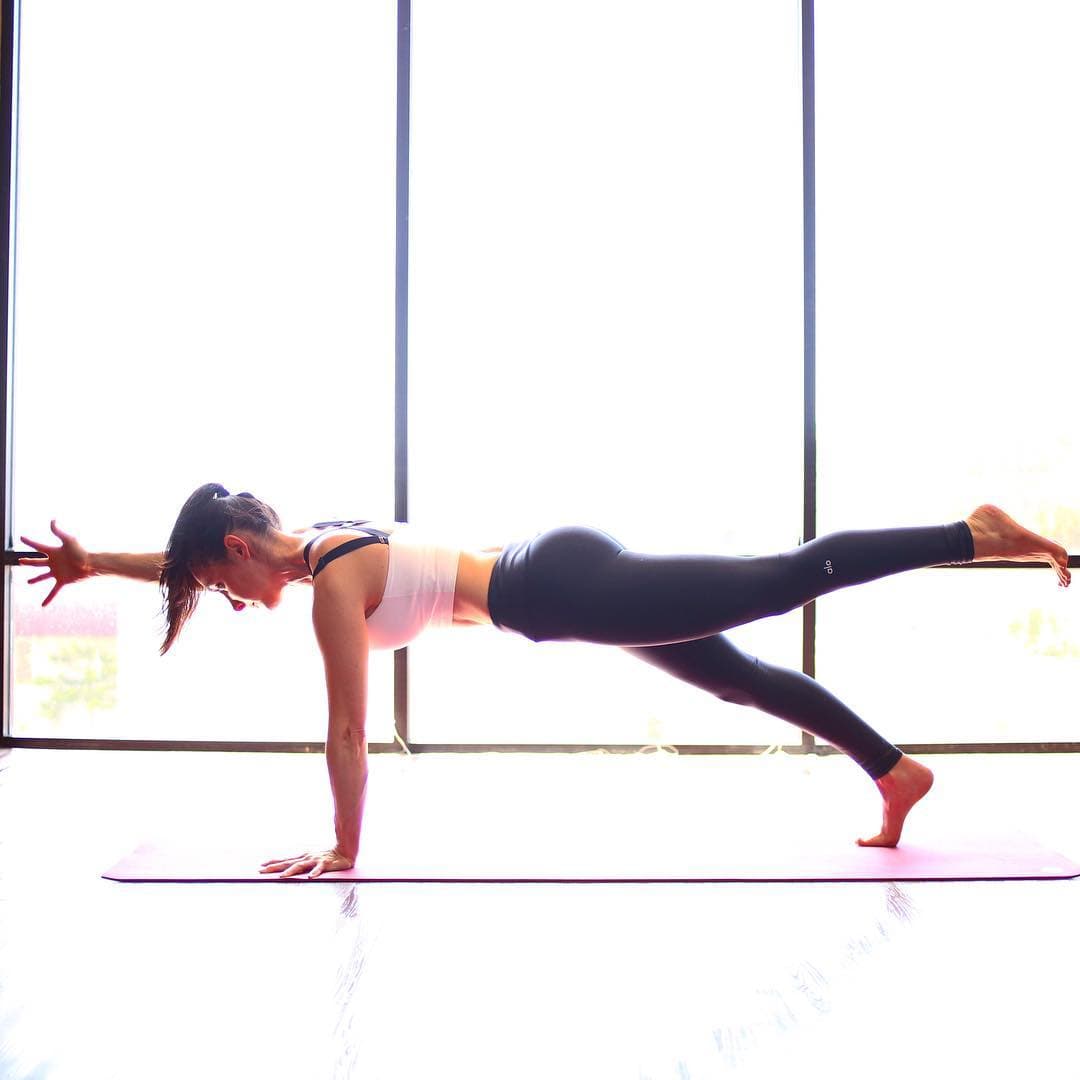

Los Angeles, California
Roomy facility with 3 yoga studios providing beginner to advanced classes, plus kid sessions.
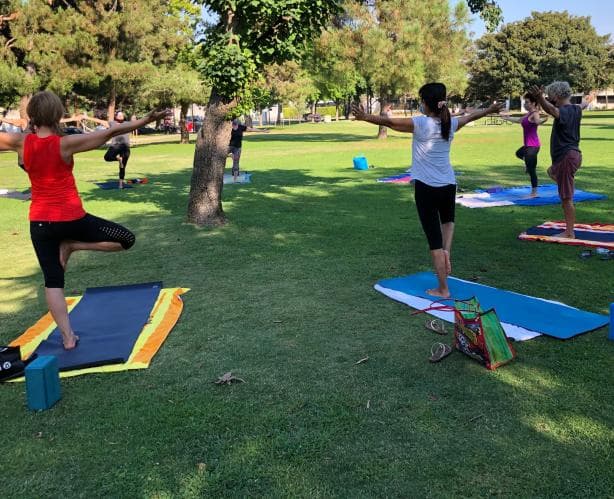
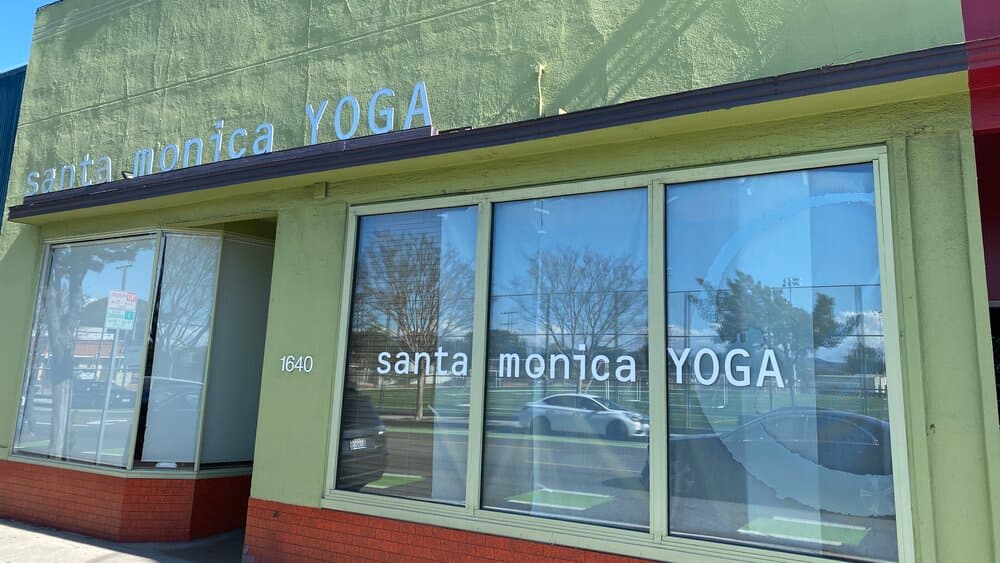
Santa Monica, California
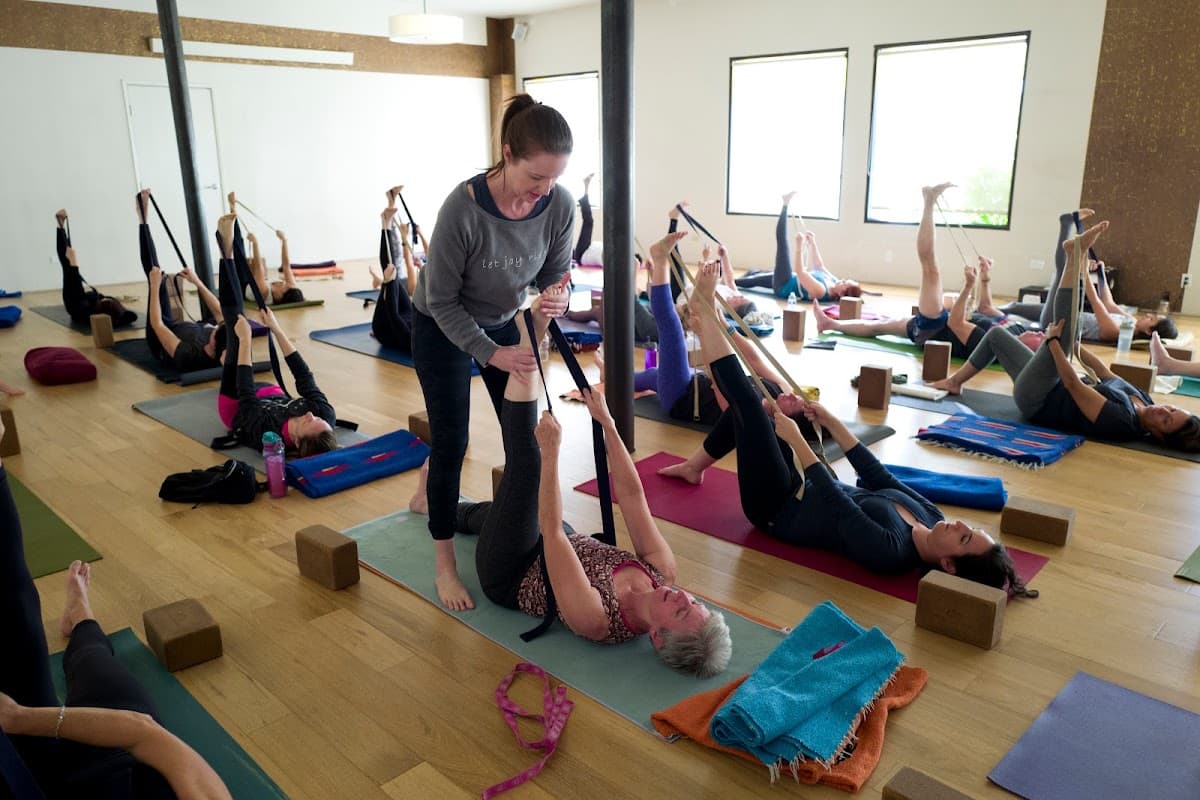

Los Angeles, California
Relaxed yoga studio with gentle & intermediate classes, plus restorative & candlelit sessions.
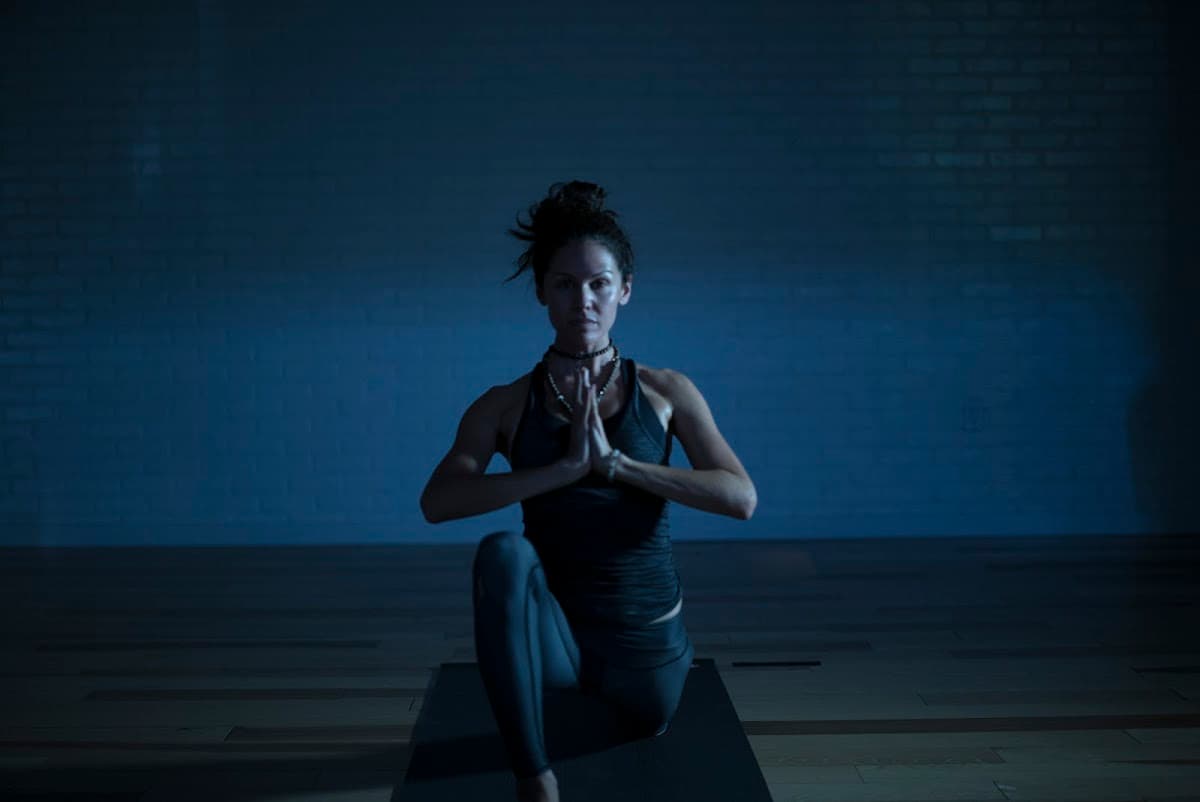
Santa Monica, California
Quaint yoga studio offering hot Vinyasa classes, plus monthly mixers & retreats.
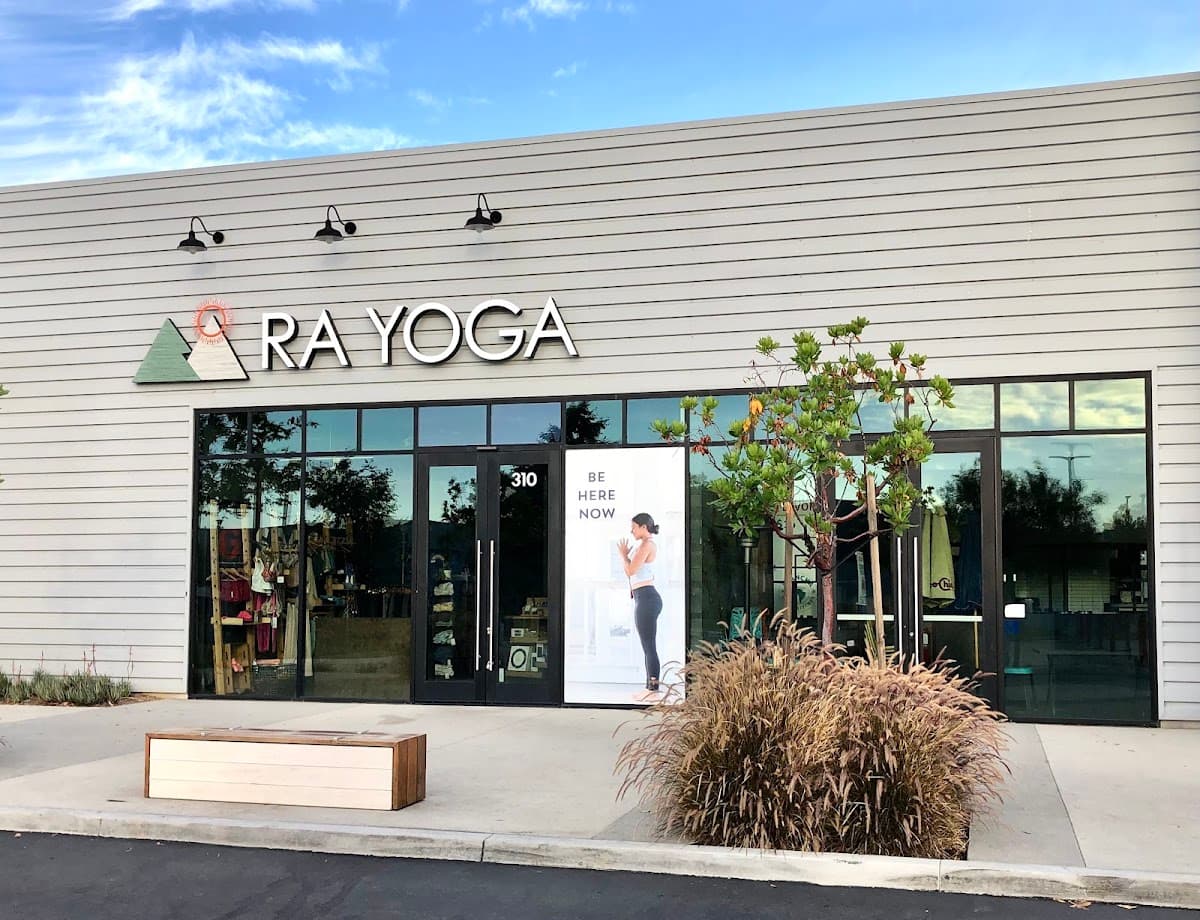
Long Beach, California
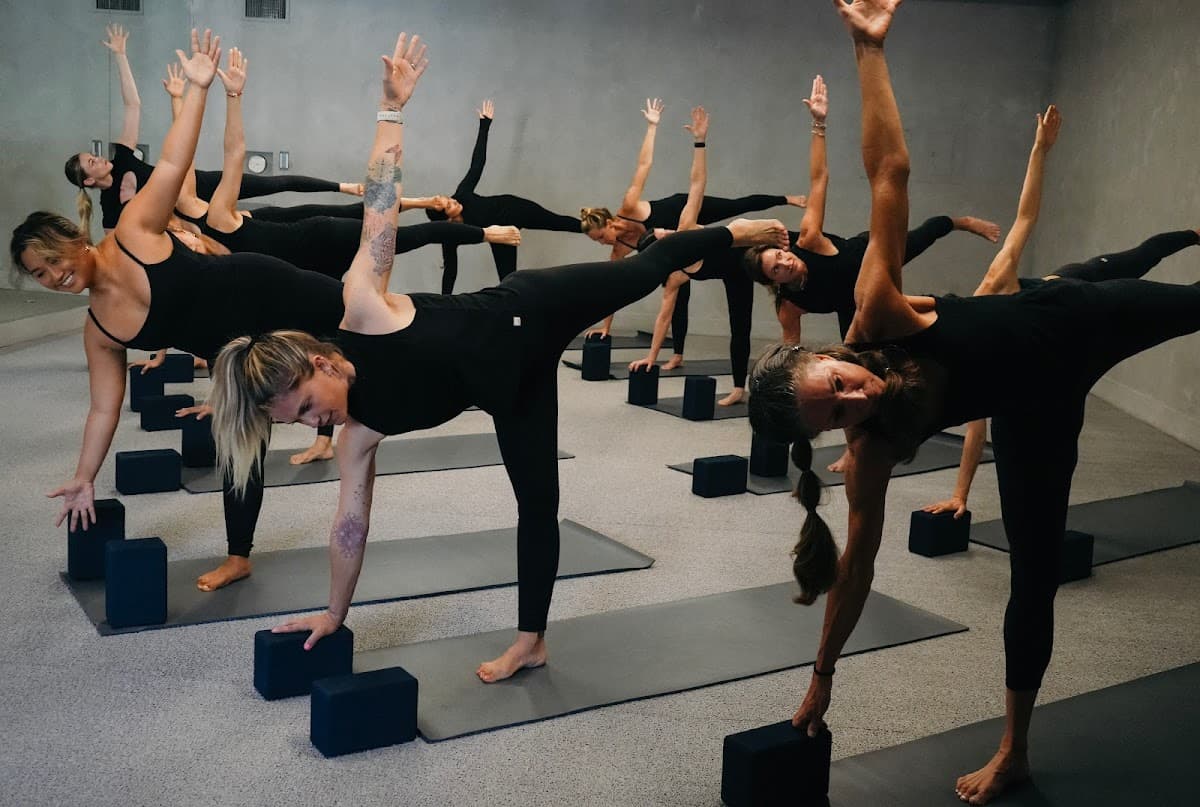
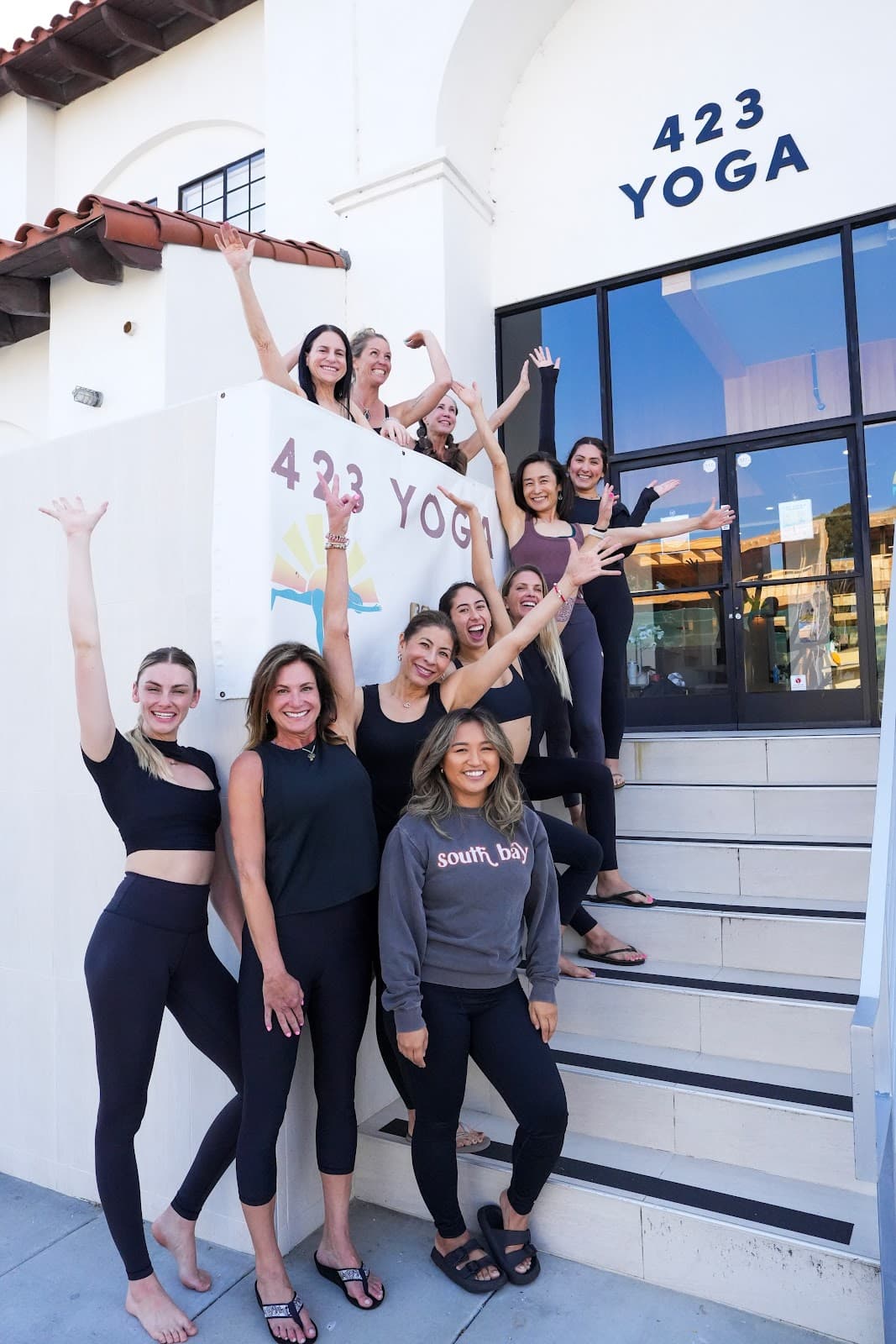
Redondo Beach, California
Restorative yoga is the art of doing less to receive more — a deeply nourishing practice that invites the body and mind to settle into stillness, release held tension, and activate the body's natural healing response. Unlike more dynamic styles of yoga, restorative practice relies on fully supported poses held for extended periods, often five to twenty minutes at a time. Practitioners use an abundance of props — blankets, bolsters, blocks, and straps — to cradle the body so completely that no muscular effort is required. The result is a profound sense of ease and surrender that many describe as transformative, and that keeps students returning to their mats again and again, especially in times of stress, exhaustion, or recovery.
The modern restorative yoga tradition owes much of its development to B.K.S. Iyengar, the legendary Indian yoga master whose meticulous attention to alignment and innovative use of props laid the philosophical and physical groundwork for the practice. His student Judith Hanson Lasater played a pivotal role in bringing restorative yoga to Western audiences, refining and popularizing the approach throughout the 1970s and beyond. Lasater's teaching emphasized the therapeutic dimensions of supported poses, drawing on an understanding of the nervous system and the body's stress response to craft a practice designed specifically to counteract the toll of modern life. Her influence remains deeply felt in restorative classrooms around the world today.
A typical restorative session moves through just a handful of carefully sequenced poses — perhaps a supported child's pose, a reclined twist, legs up the wall, and a long, blissful savasana. The room is often dimly lit and warm, with soft music or gentle silence setting the tone. Instructors guide students into each shape with careful attention, adjusting props until every part of the body feels genuinely held. The focus is on activating the parasympathetic nervous system, shifting the body out of fight-or-flight mode and into a state of rest and repair. Regular practitioners report reduced anxiety, improved sleep, lower blood pressure, and a greater sense of emotional resilience. Because the practice places virtually no strain on muscles or joints, it is beautifully suited to beginners, older adults, those recovering from injury or illness, pregnant individuals, and anyone whose life has simply become too busy, too loud, or too demanding. Restorative yoga is an open and generous practice with no prerequisites other than a willingness to slow down and be still — and for those who accept that invitation, it has the quiet power to change everything.