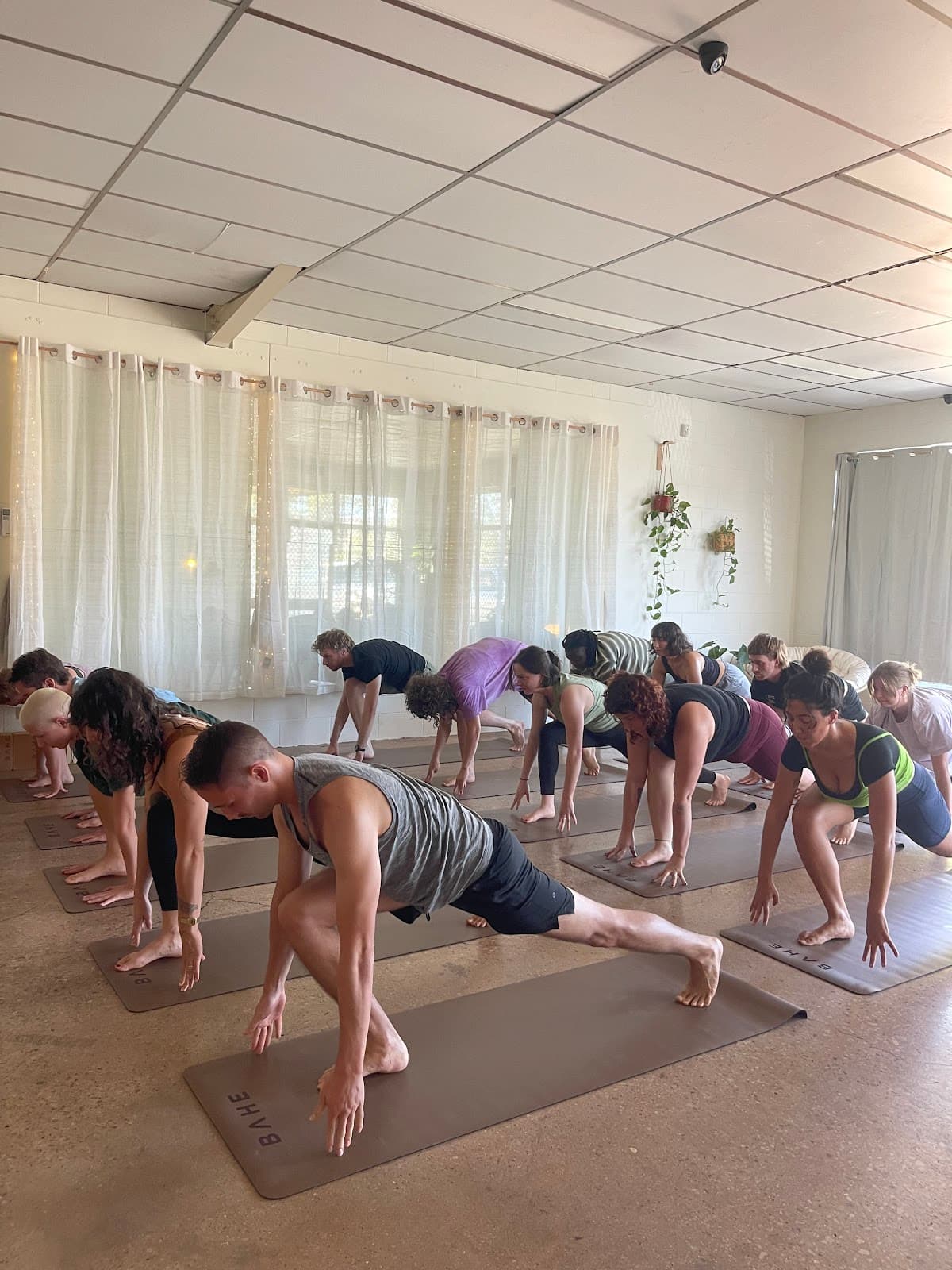

Mulla Mulla Yoga Shala
Ciccone, Northern Territory
gentleMeditationretreat
164 studios offering alignment found near Australia
FindYoga lists 164 alignment studios and class providers in Australia. Browse timetables, compare styles and find the right alignment session for your level — whether you're stepping on the mat for the first time or deepening an established practice.
Ciccone, Northern Territory
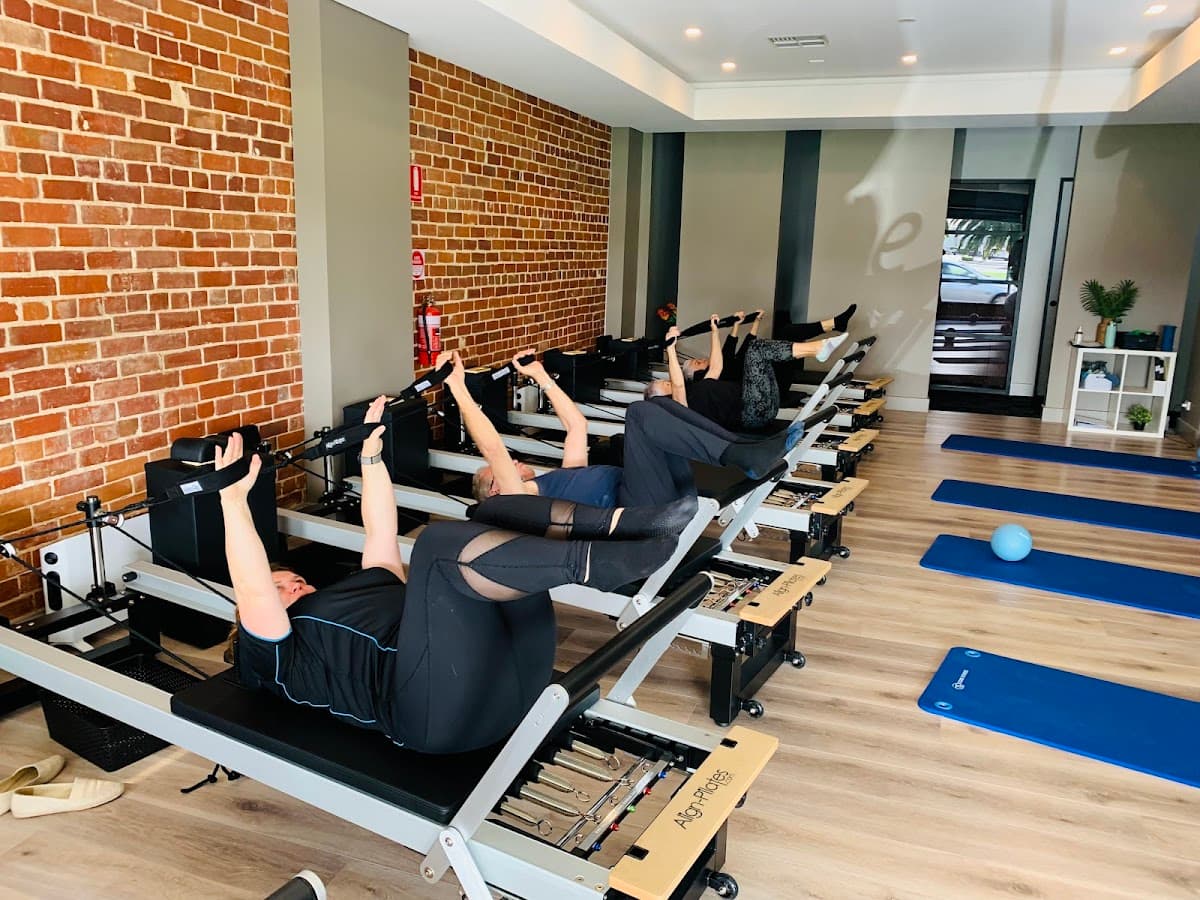
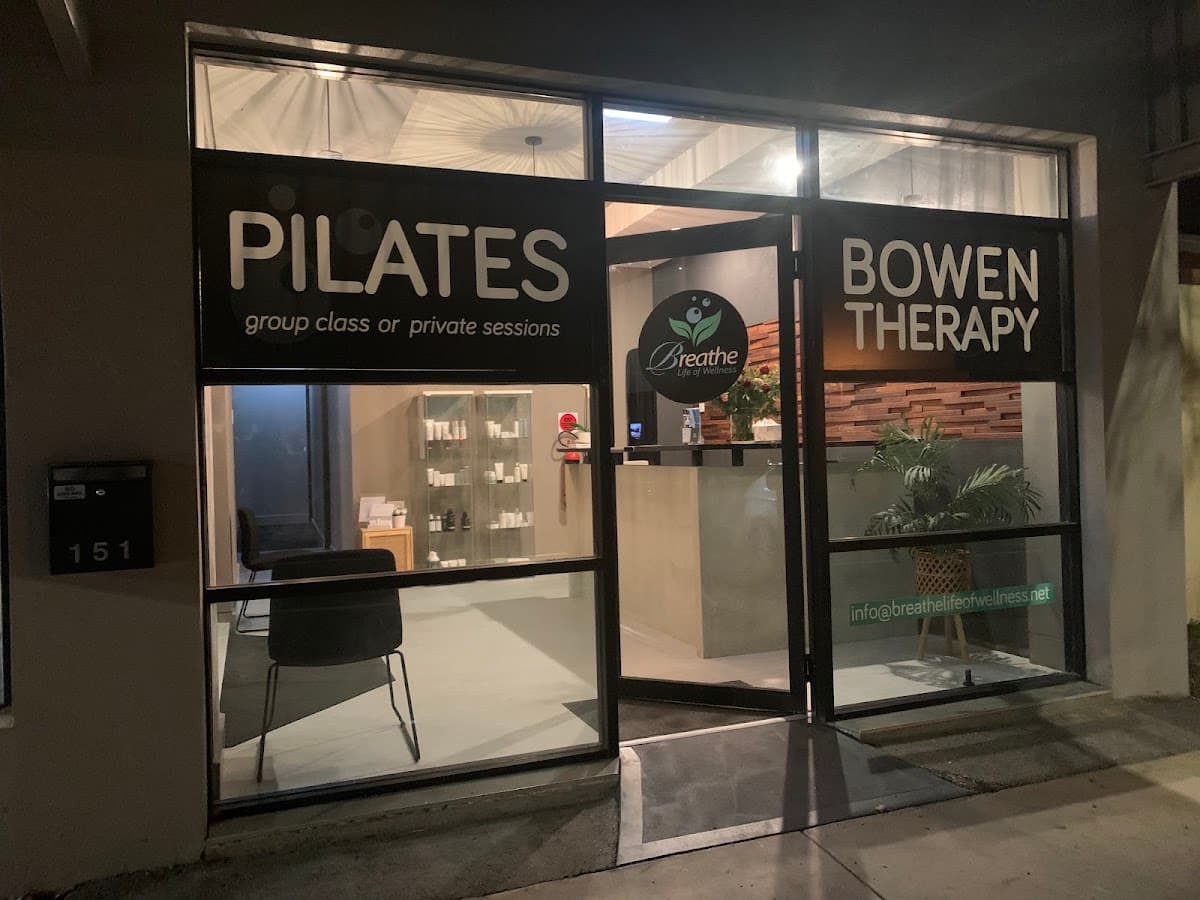
Queenstown, South Australia
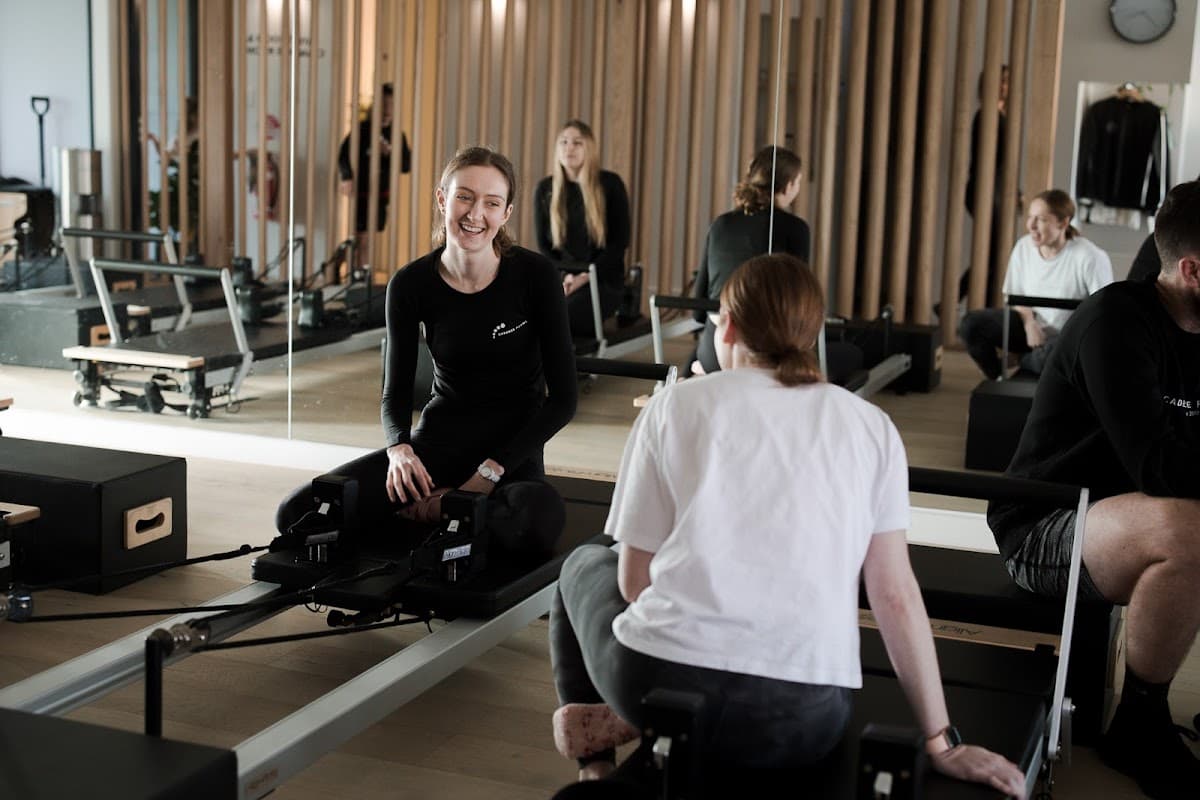
Golden Grove, South Australia


West Lakes, South Australia

Prospect, South Australia
Flinders Park, South Australia

Klemzig, South Australia


North Adelaide, South Australia

194 Henley Beach Road, Torrensville, South Australia
About Us
Stepney, South Australia
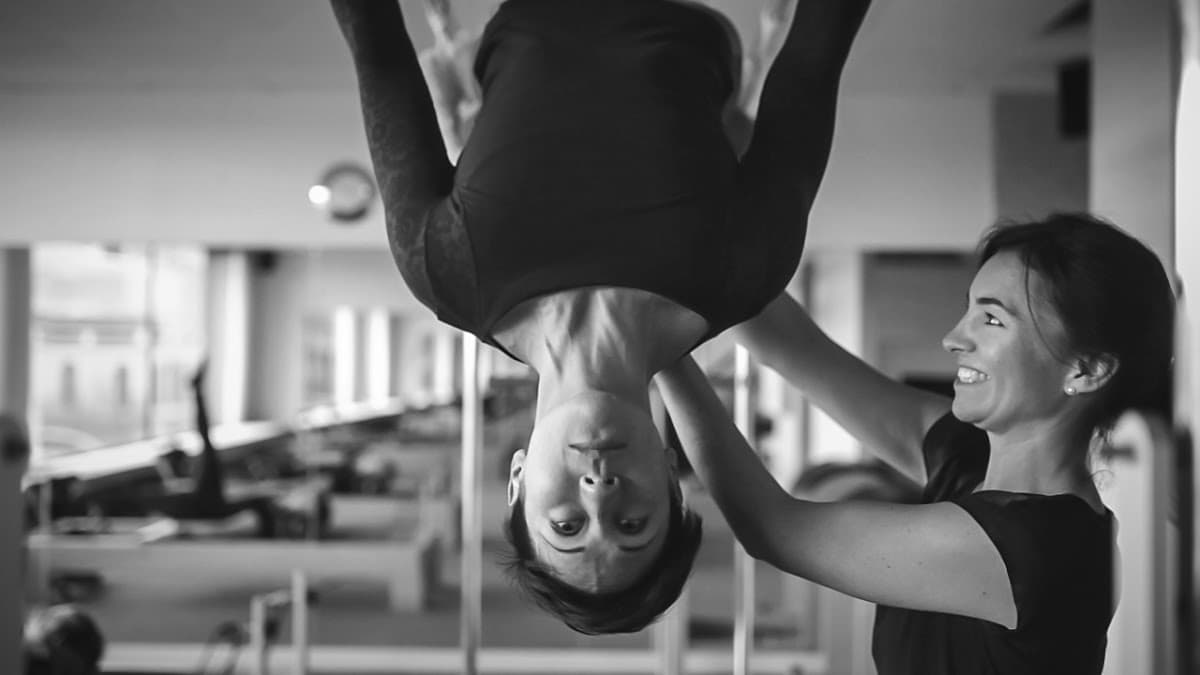
Adelaide, South Australia
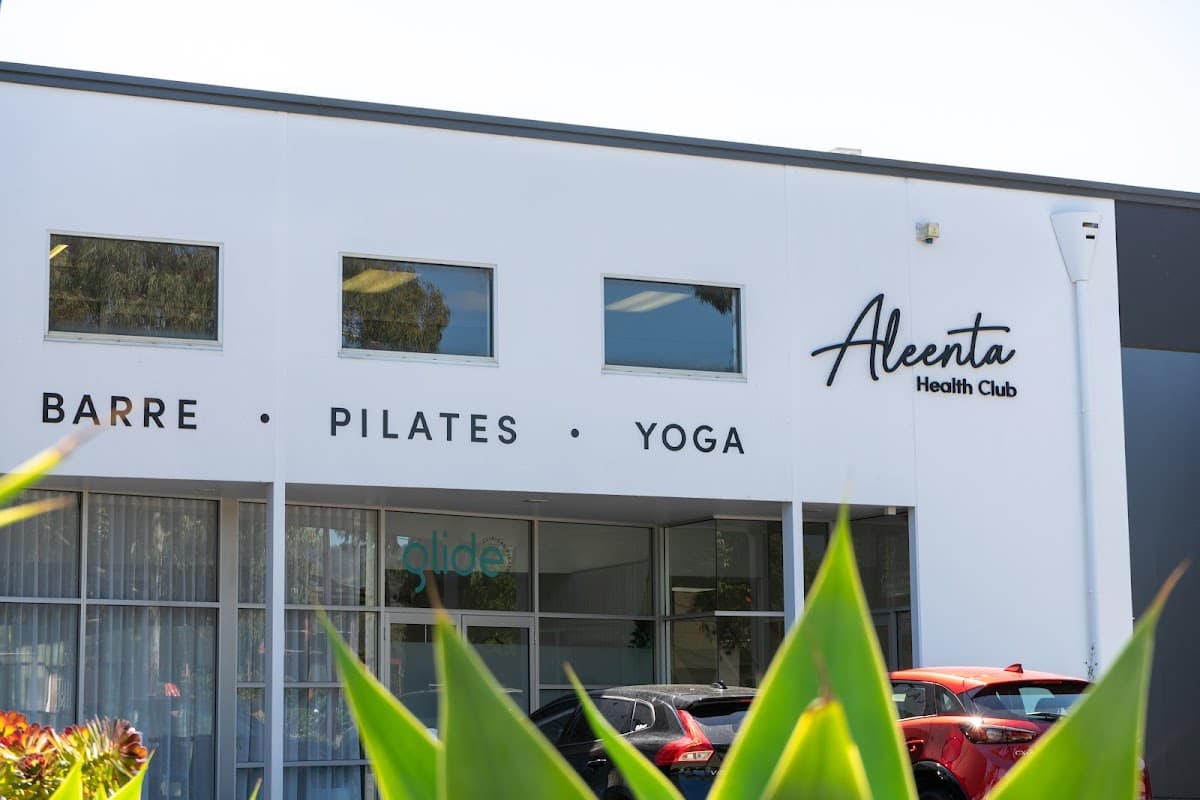
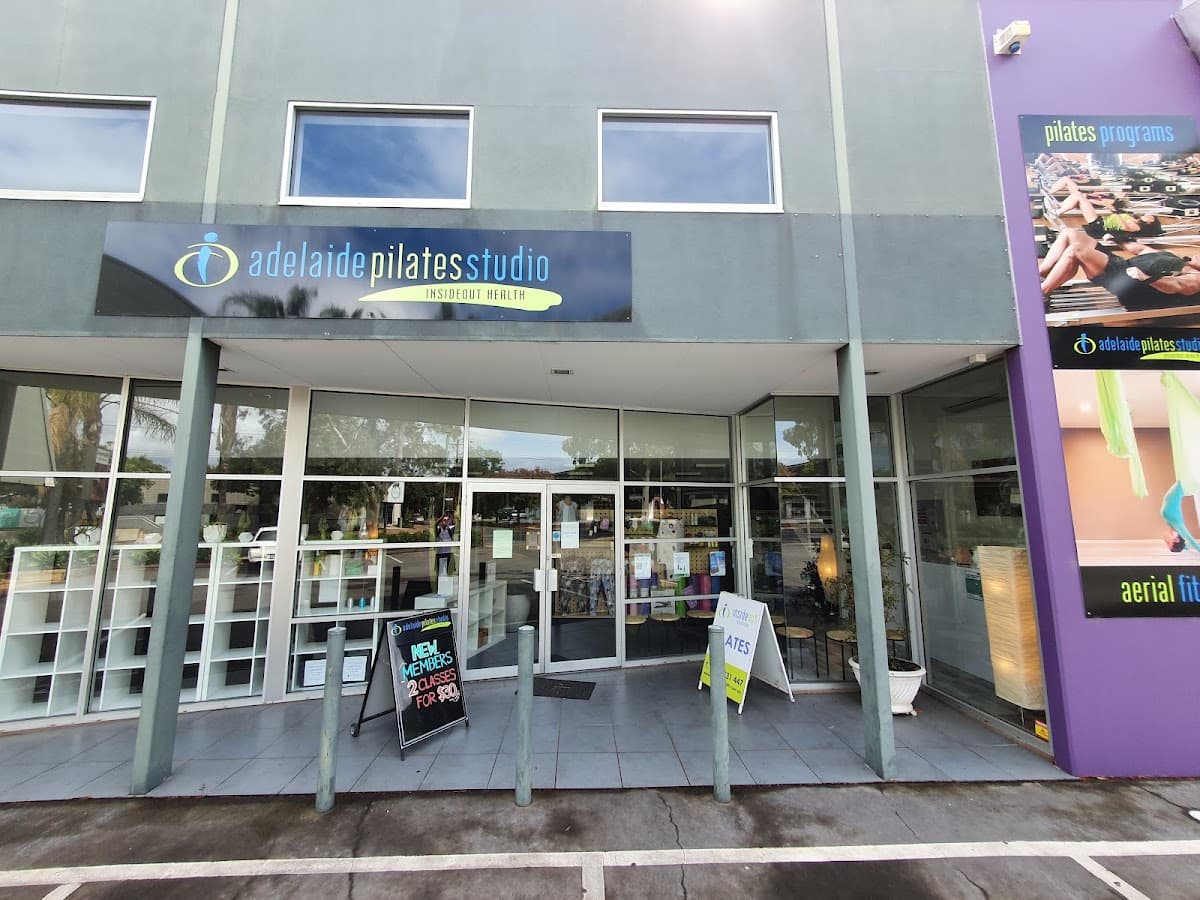
Saint Morris, South Australia
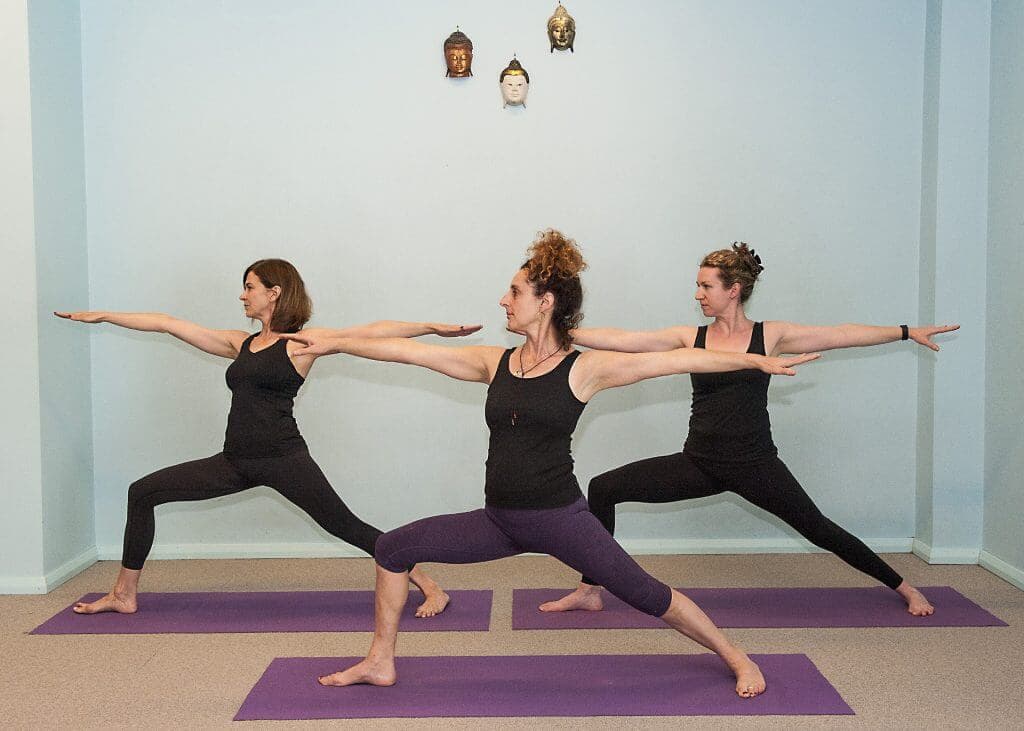

Glenelg, South Australia

Unley, South Australia
Toorak Gardens, South Australia

Highgate, South Australia

Ascot Park, South Australia
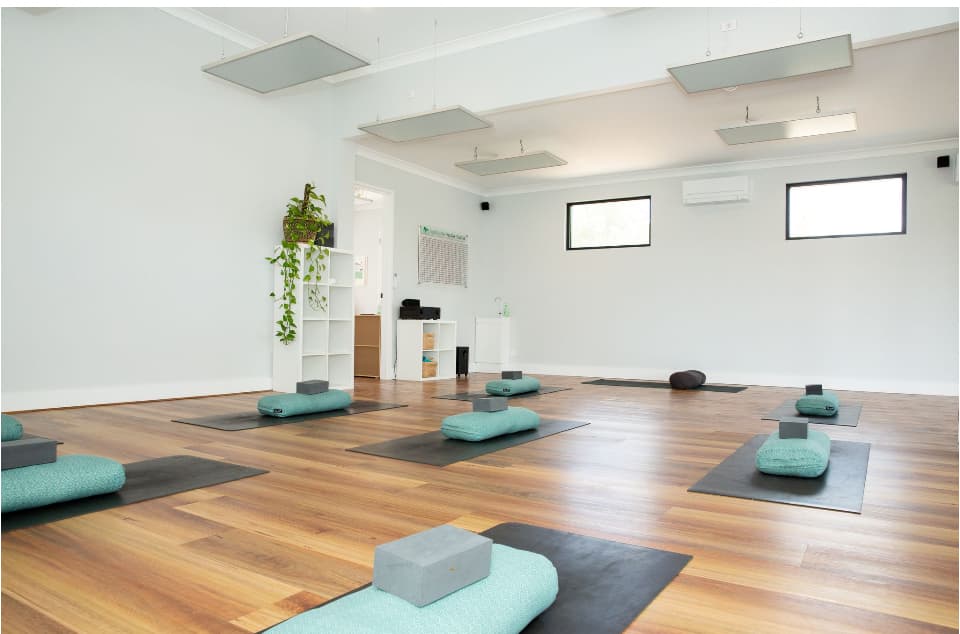
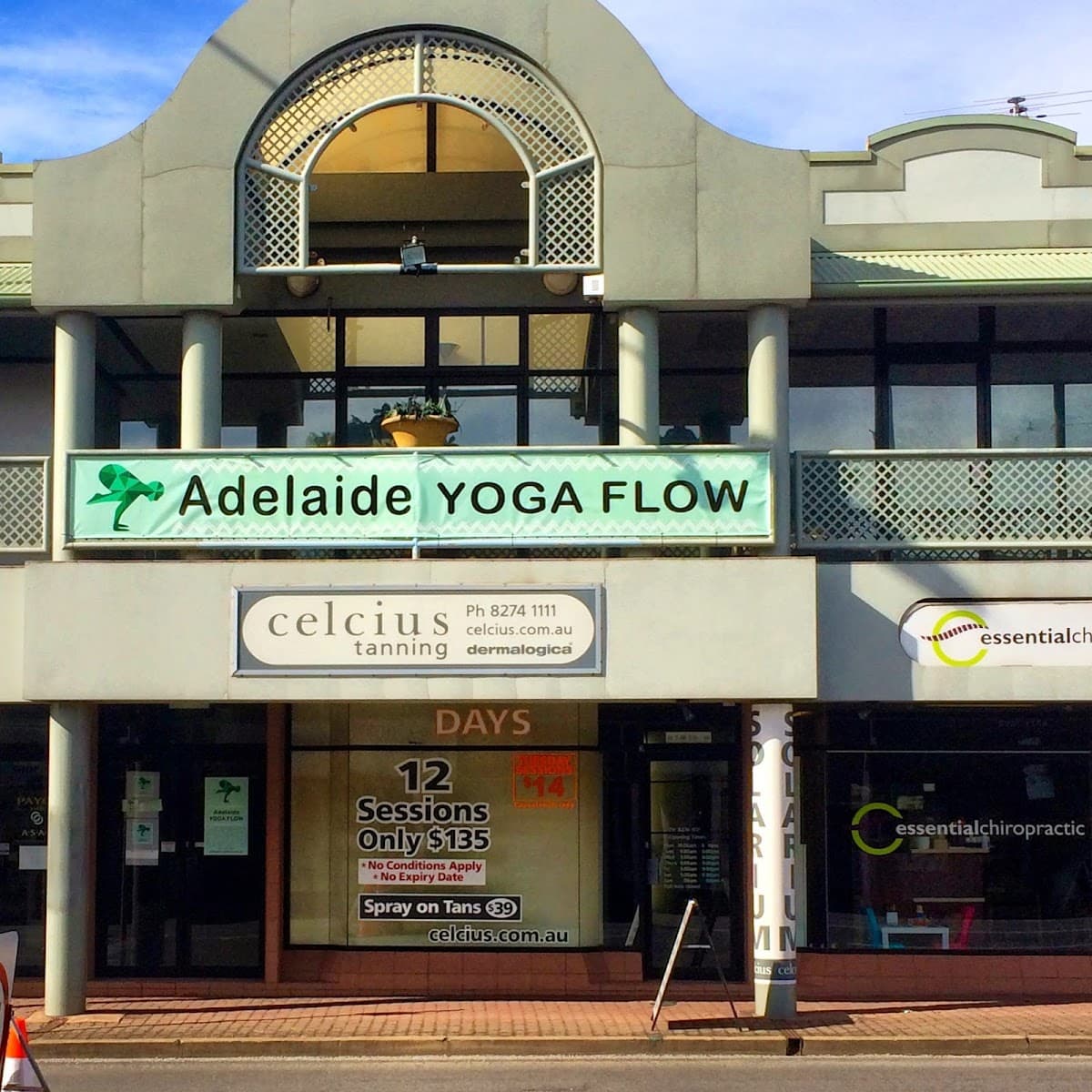
Myrtle Bank, South Australia
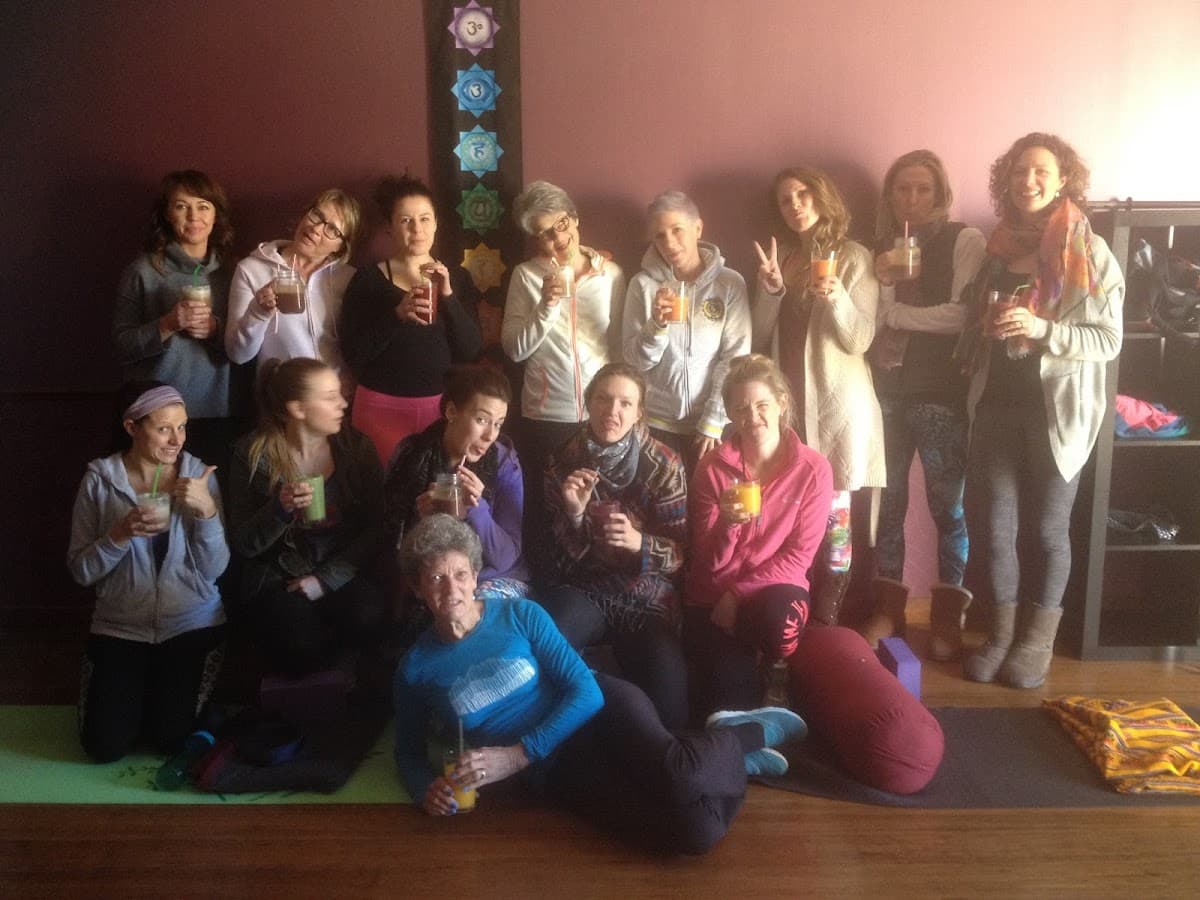
Brighton, South Australia
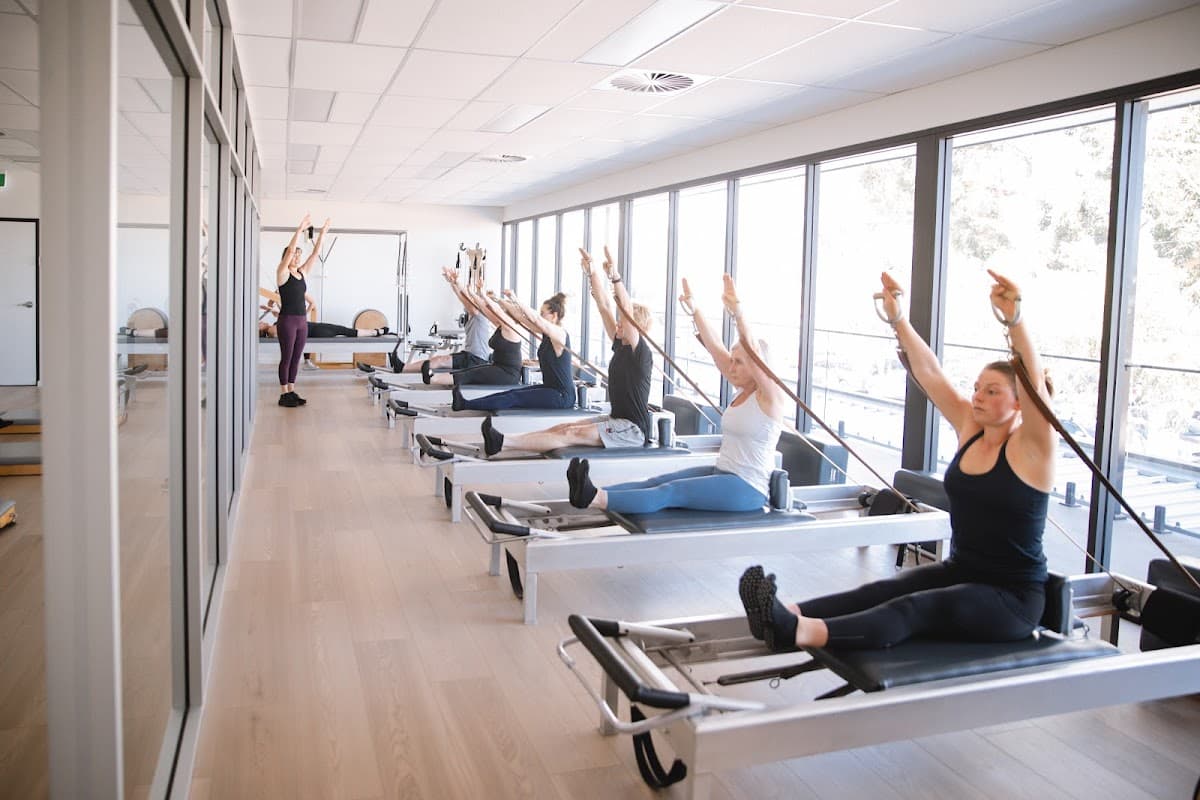

Blackwood, South Australia

Woodcroft, South Australia
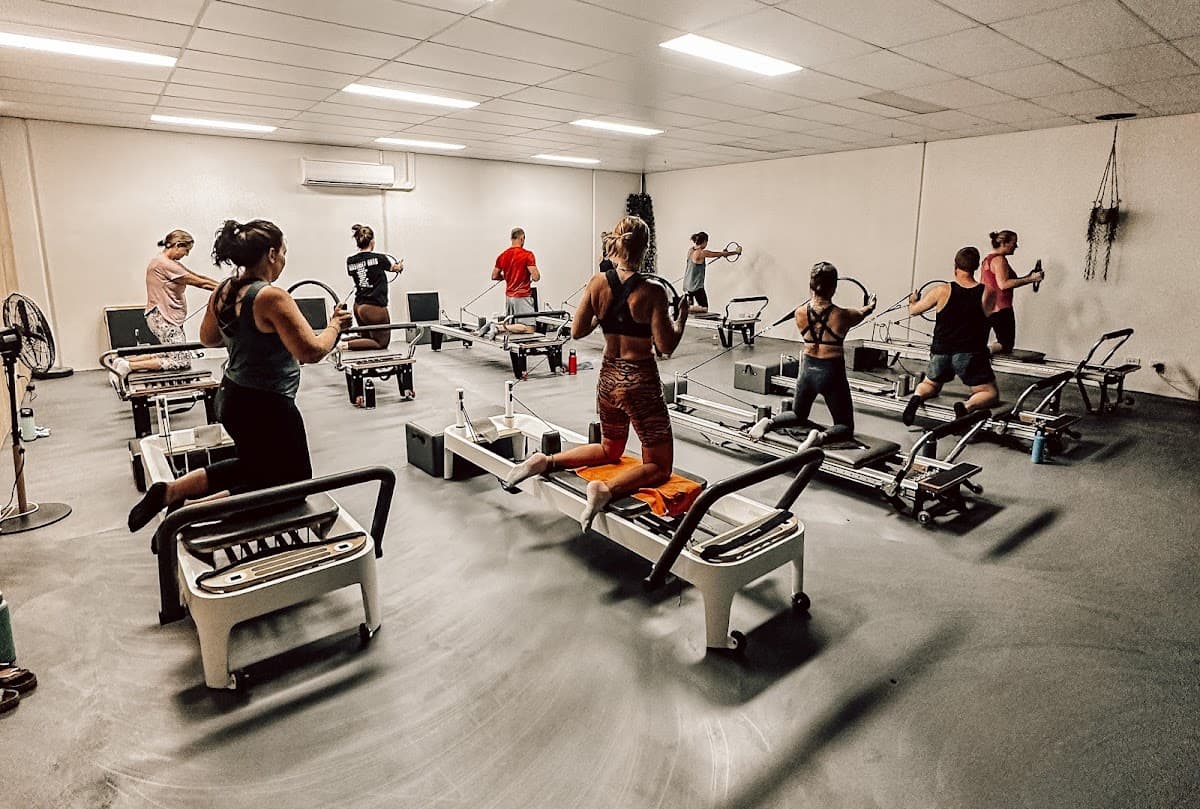

Marlow Lagoon, Northern Territory
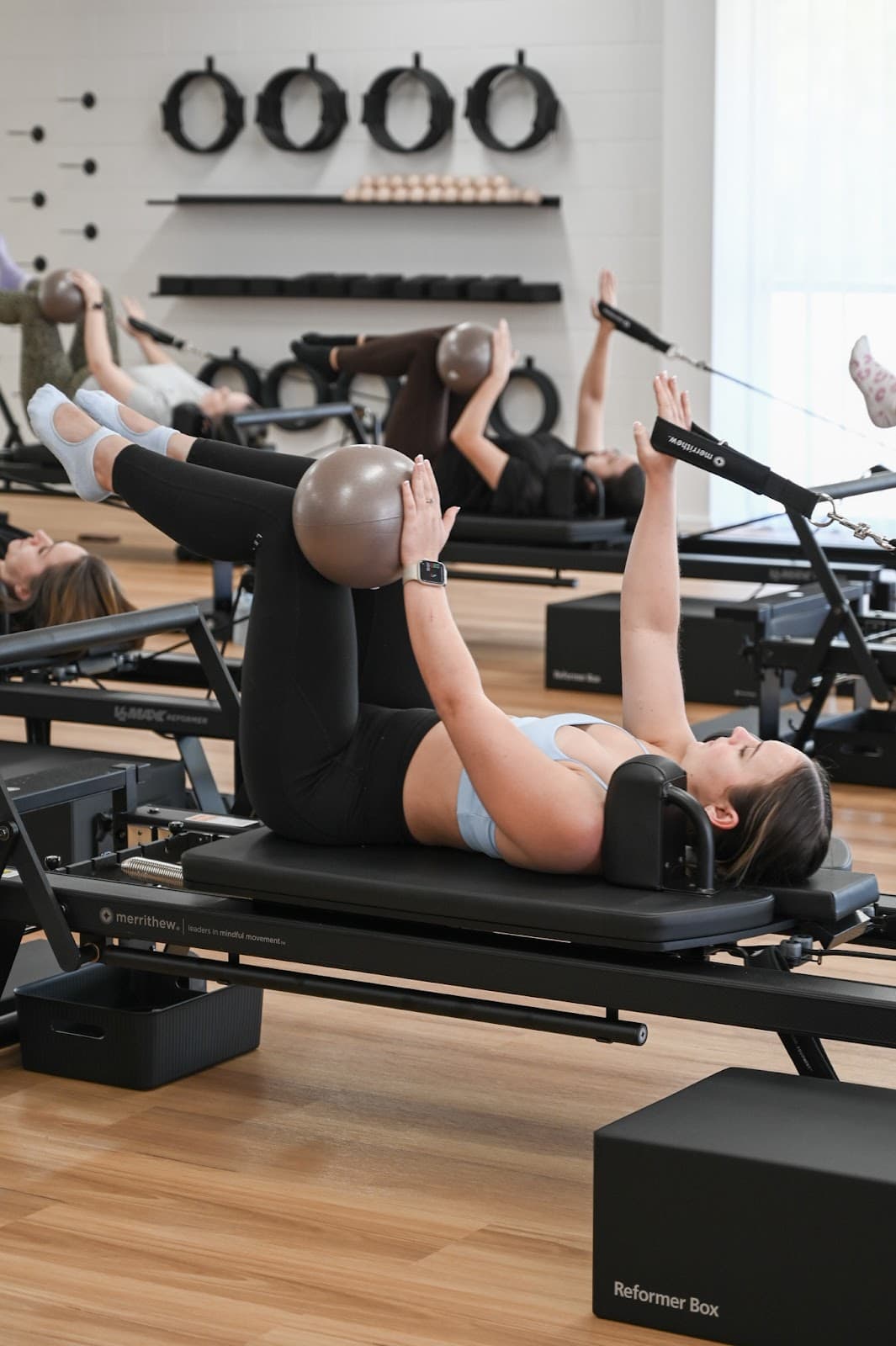
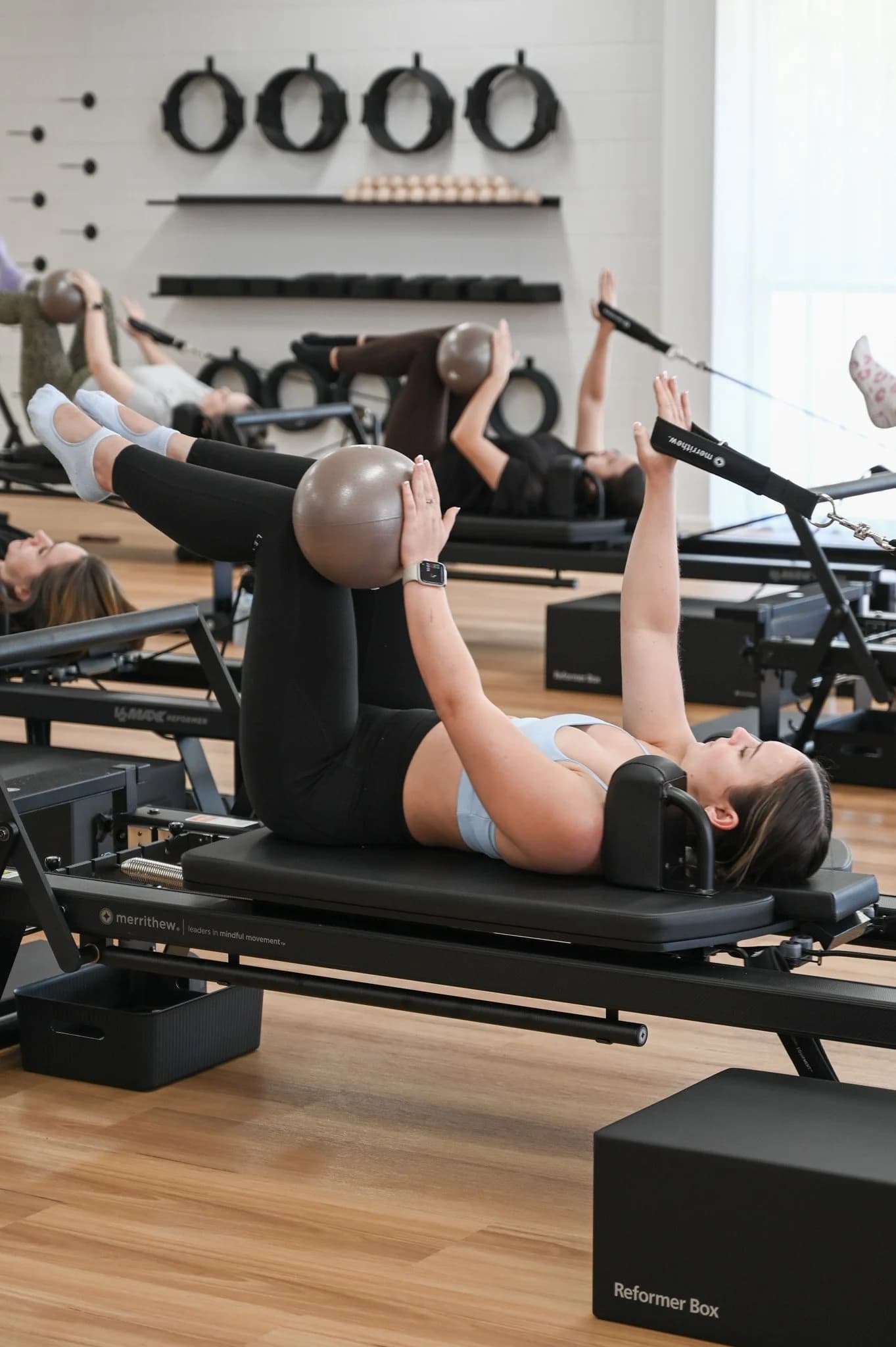
Palmerston City, Northern Territory
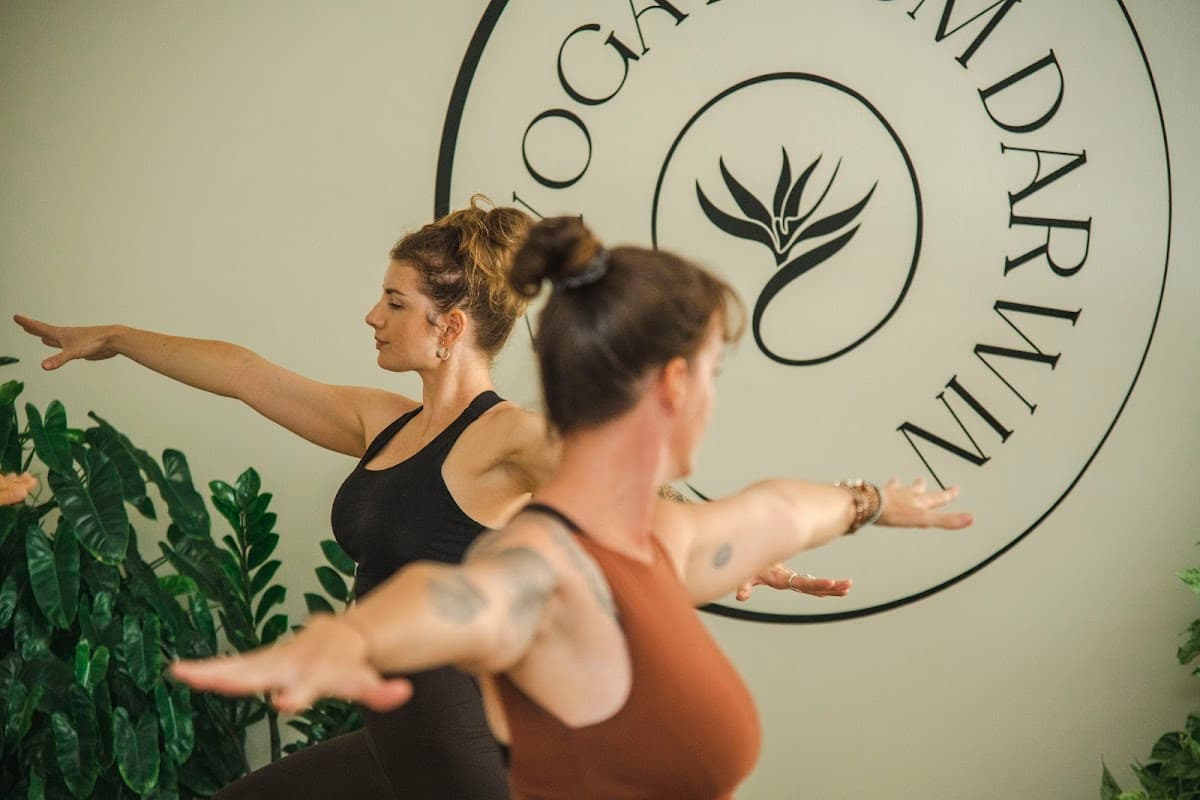
Darwin City, Northern Territory
Alignment is the art of positioning the body with precision and intention — and for those who discover it, the practice often feels like finally being handed the owner's manual to their own body. Rooted in the understanding that how we move matters just as much as how much we move, alignment-focused practice asks practitioners to slow down, tune in, and arrange bones, joints, and muscles in ways that support both safety and optimal function. Whether explored as a standalone discipline or woven into an existing yoga or movement practice, alignment work has a devoted following among people who want to feel better in their bodies for the long haul, not just on the mat.
The modern emphasis on alignment within yoga owes much to the legendary B.K.S. Iyengar, whose meticulous approach to posture and anatomical precision transformed how the Western world understood the body in practice. Iyengar spent decades refining his method, using props such as blocks, straps, and blankets to help students of all abilities find the most supportive expression of each pose. His work inspired generations of teachers and bodyworkers to look more carefully at the skeletal and muscular relationships that underpin every movement. Figures in the somatic and physical therapy worlds have also contributed richly to this conversation, drawing connections between postural habits, chronic pain, and the nervous system. Today, alignment principles appear across many disciplines, from Iyengar yoga and therapeutic yoga to Pilates and functional movement training.
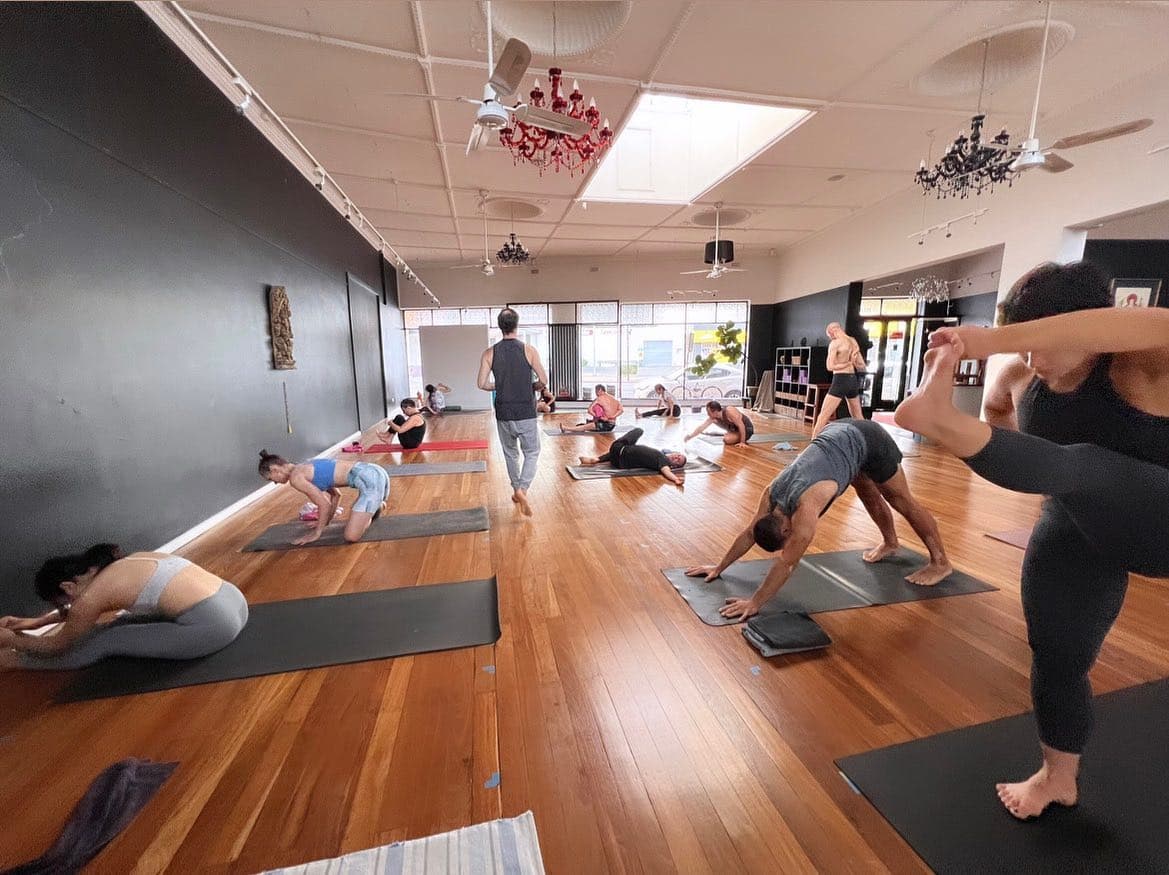
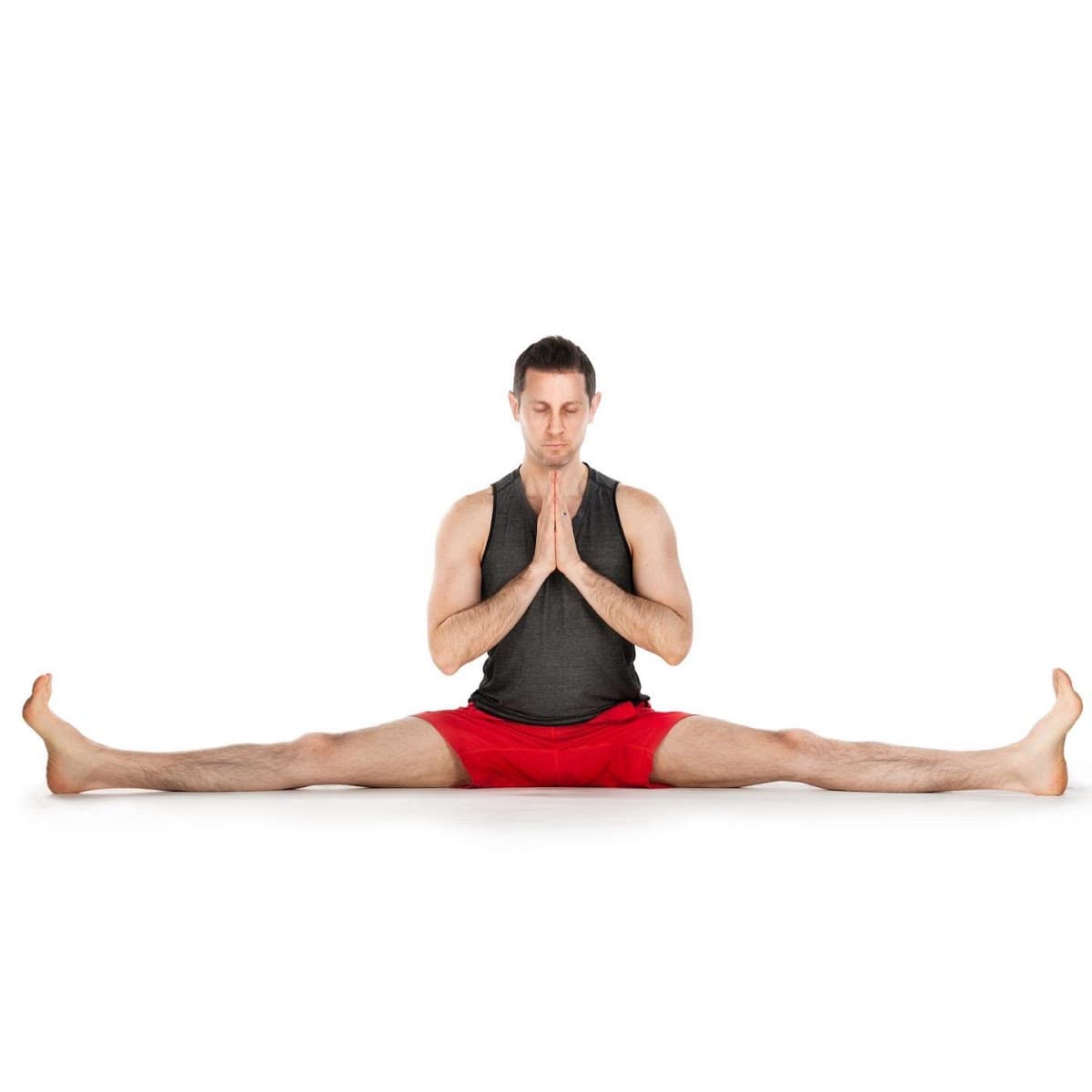
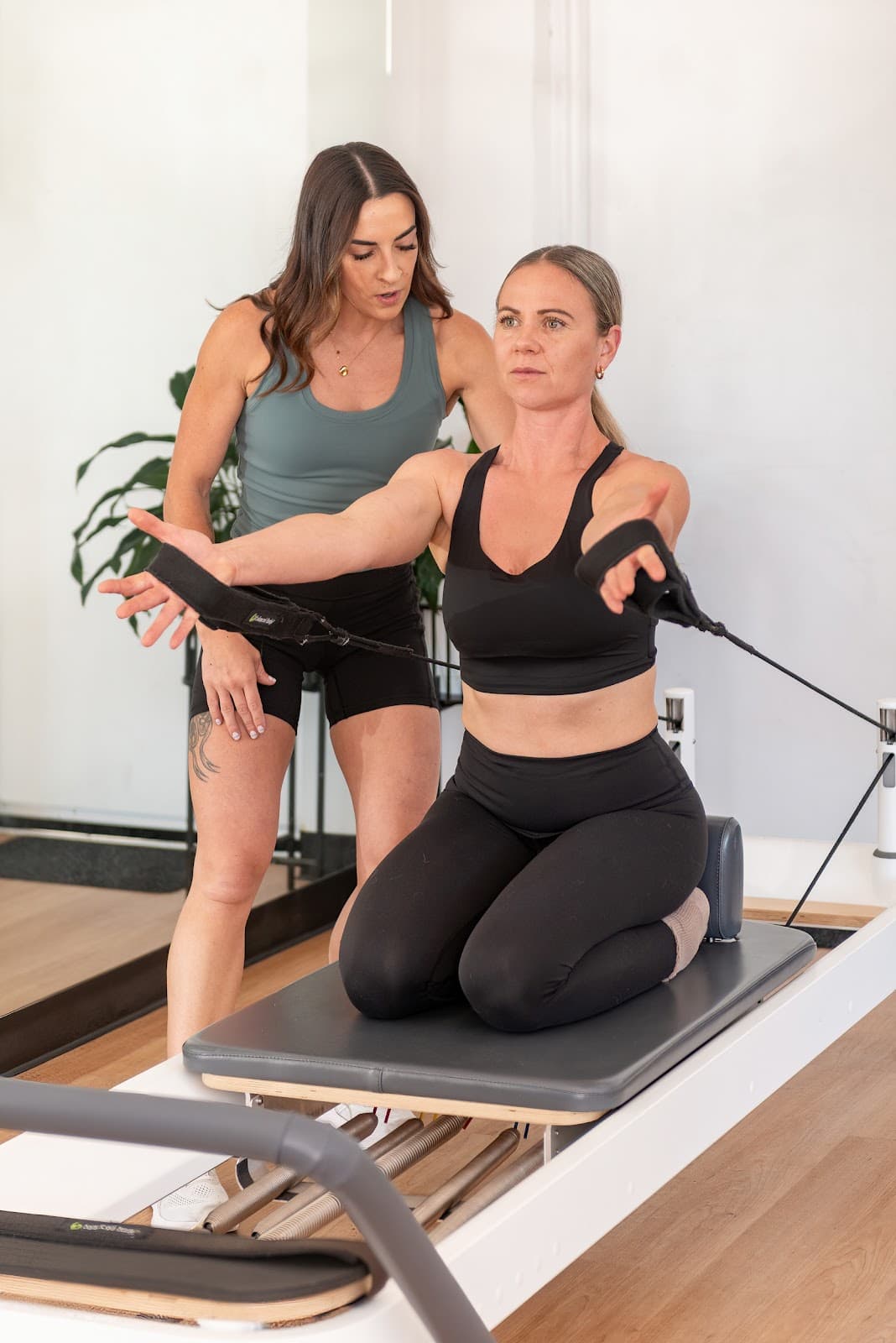
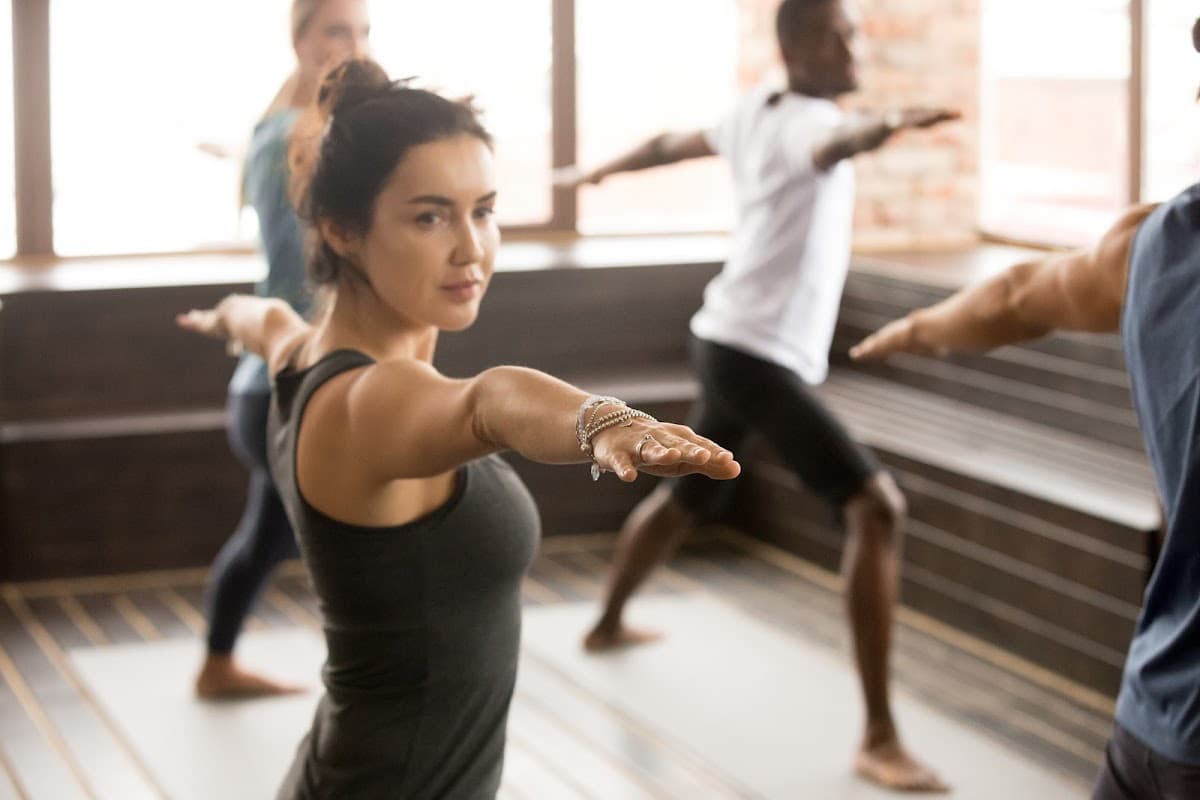
A typical alignment-focused session moves at a thoughtful pace, with teachers offering detailed verbal cues, hands-on adjustments, and props to guide students into positions where the body can work efficiently without strain. Sessions often include standing poses, seated stretches, and floor-based work, with extended time given to each shape so students can truly sense what is happening from the inside. The benefits are wide-ranging and well-reported: reduced joint pain, improved posture, greater body awareness, relief from common complaints like lower back tension and tight hips, and a deeper sense of ease in everyday movement. Mentally, the focused, meditative quality of alignment work tends to quiet the mind and cultivate a rare kind of presence. This practice is particularly well-suited to beginners, older adults, people recovering from injury, athletes looking to refine their mechanics, or anyone who has ever felt frustrated that yoga or exercise wasn't quite working the way they hoped. For anyone ready to move with more intelligence, more grace, and more lasting comfort, alignment practice offers a genuinely transformative place to begin.