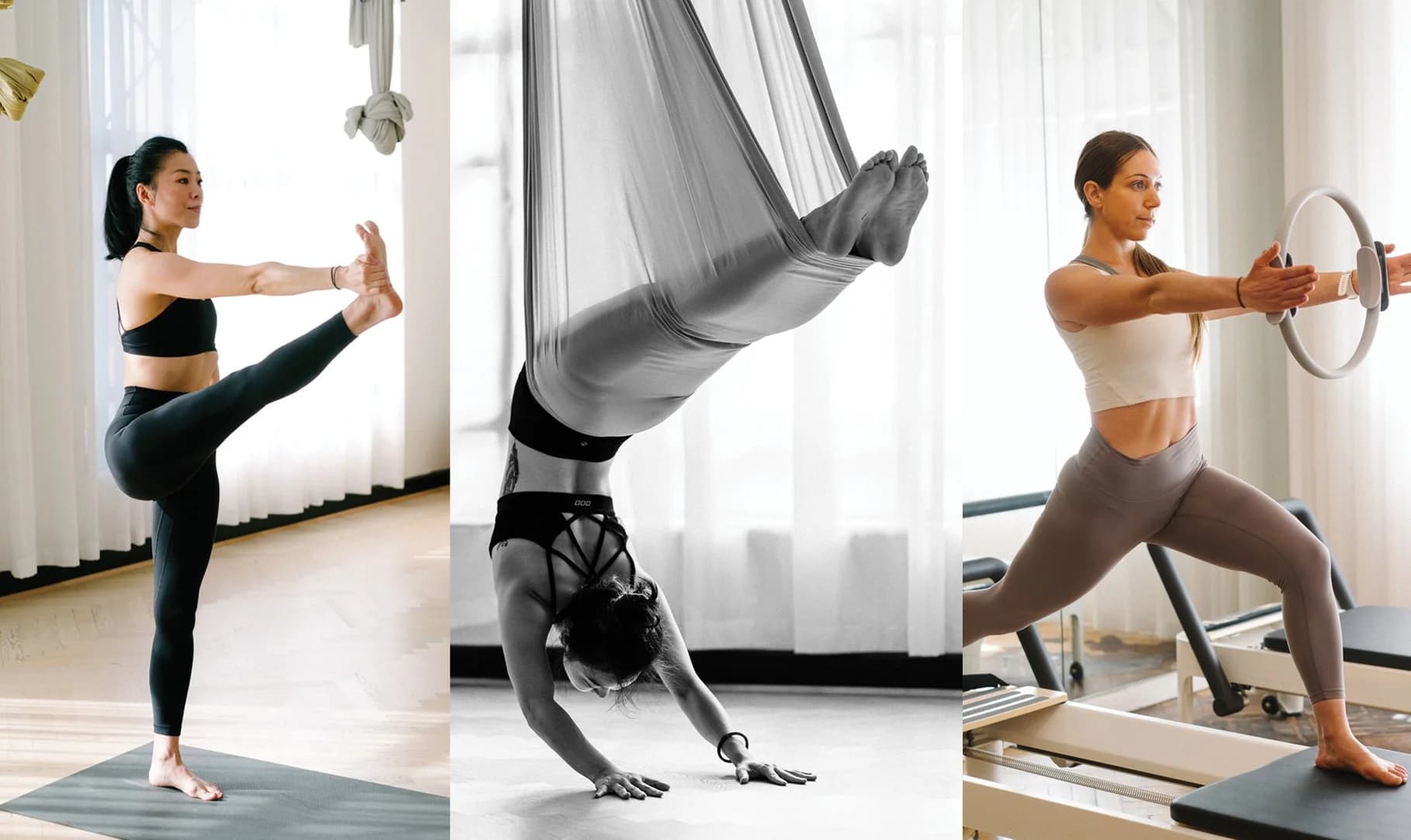
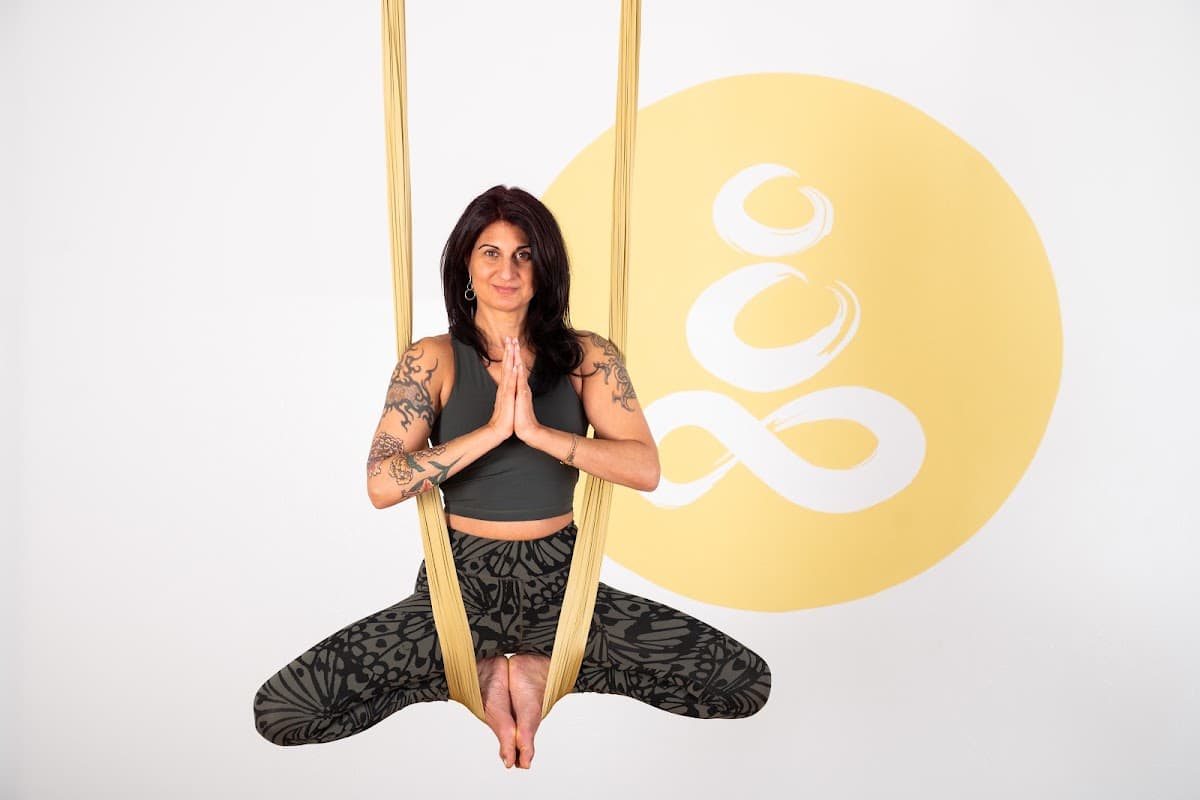
Aerial yoga invites practitioners to leave the ground behind — quite literally. By using a soft, hammock-like silk suspended from the ceiling, aerial yoga blends traditional yoga postures, Pilates principles, and the fluid grace of acrobatics into one uniquely liberating experience. Students of all backgrounds find themselves drawn to it for the sheer joy of it: there is something deeply playful and transformative about floating, inverting, and moving through space in ways the floor simply cannot offer. The sensation of weightlessness releases the spine, quiets the mind, and has a way of dissolving self-consciousness as practitioners discover surprising strength and trust within themselves.
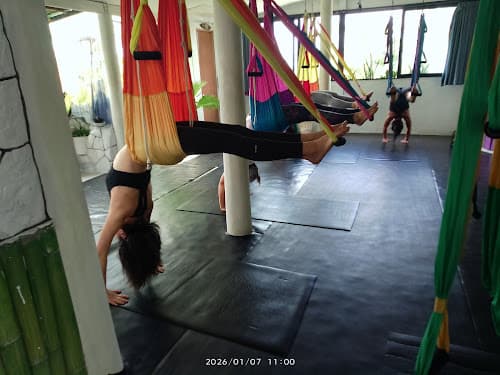
The roots of aerial yoga as a formalized practice are generally traced to Christopher Harrison, a Broadway choreographer and gymnast who developed AntiGravity Yoga in New York City in the 1990s. Harrison originally created the hammock-based system as a performance art form before recognizing its profound therapeutic and fitness applications. His method quickly attracted attention from dancers, athletes, and everyday movers seeking a practice that was as healing as it was exhilarating. From there, the practice branched into numerous styles and interpretations, spreading across studios worldwide and finding enthusiastic communities in virtually every major city. A typical aerial class begins with gentle warm-up movements and familiarization with the hammock, progressing into supported standing poses, backbends, and the deeply beloved full inversions where the silk cradles the hips and allows the spine to fully decompress. Sessions often close with a restorative Savasana cocooned inside the hammock, a moment of rest that many students describe as among the most deeply relaxing experiences in any movement practice.
The benefits of aerial yoga are both physical and psychological. Regular practice builds remarkable core strength, improves flexibility, and enhances spatial awareness and coordination. Inversions stimulate circulation and are widely credited with relieving chronic back pain and compression in the joints. Mentally, the practice demands focused presence — it is nearly impossible to ruminate on a busy day while learning to balance in a silk swing — making it a genuinely effective tool for stress relief and mindful awareness. Aerial yoga is particularly well suited for those who feel uninspired by mat-based practices, anyone recovering from spinal tension or tightness, and curious beginners who want to approach movement with a spirit of adventure. More experienced yogis will find the hammock opens postures they never thought possible. Whether someone is stepping into a studio for the first time or deepening a lifelong practice, aerial yoga promises a perspective-shifting experience that reminds every body just how capable and alive it truly is.











 RETREAT