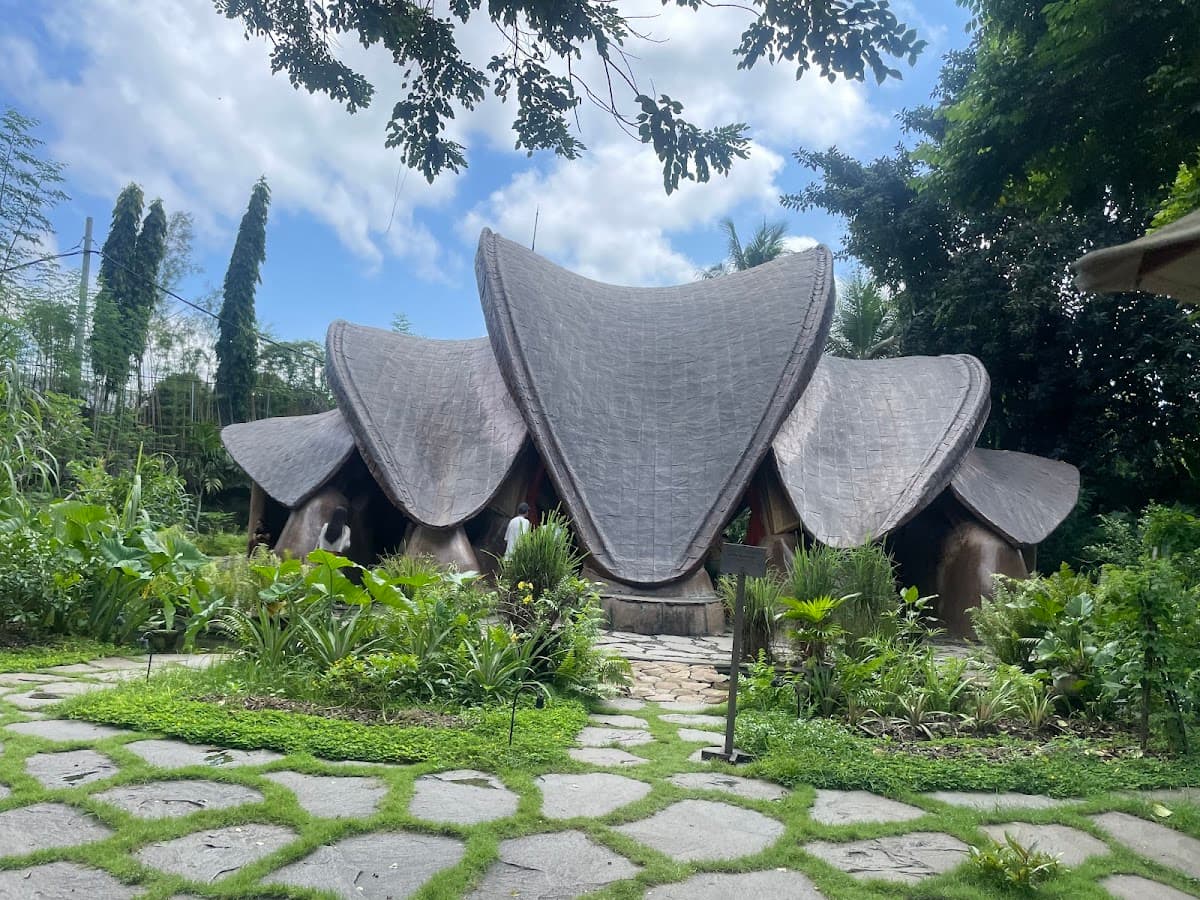

Alchemy Yoga and Meditation Center
Bali
Meditationphilosophyintensive
FindYoga lists 3 tantra studios and class providers in Ubud. Browse timetables, compare styles and find the right tantra session for your level — whether you're stepping on the mat for the first time or deepening an established practice.
Bali
Bali

Bali
Tantra is one of the oldest and most misunderstood spiritual traditions in the world, and for those who discover its true depth, it becomes nothing less than a complete philosophy of living. Far removed from the reductive Western associations that have attached themselves to the word over decades, authentic Tantra is a vast and luminous system that views the entire universe — the body, the breath, desire, emotion, and sensation — as sacred expressions of divine energy. Practitioners are drawn to it because it refuses to separate the spiritual from the physical, inviting every dimension of human experience into the practice rather than asking students to transcend or suppress what they feel. The result is a path that feels profoundly honest, deeply embodied, and quietly revolutionary.
Tantra emerged in India between the 5th and 9th centuries CE, weaving together threads from Shaivism, Shaktism, and Buddhist traditions into a rich tapestry of ritual, meditation, breathwork, mantra, and movement. Its teachings were transmitted through lineages of teachers and students across Kashmir, Bengal, and Tibet, with the Kashmir Shaivism school producing some of the tradition's most celebrated philosophical texts, including the Vijnanabhairava Tantra. In the twentieth century, teachers such as Sir John Woodroffe helped introduce Tantra to Western audiences through scholarly translation and commentary, while figures like Osho drew widespread attention — and considerable controversy — to its principles. Contemporary practitioners and educators have since worked thoughtfully to restore its broader spiritual context, emphasizing presence, energy cultivation, and the awakening of consciousness rather than any singular focus.
A typical Tantra-informed session may incorporate pranayama, somatic awareness exercises, mantra recitation, meditation, and mindful movement designed to awaken and circulate prana, or life force, throughout the body. Students often report a heightened sense of inner aliveness, emotional clarity, and a softening of the habitual boundaries between self and world. The practice supports nervous system regulation, deepens self-awareness, and cultivates an extraordinary capacity for presence that extends well beyond the mat and into daily relationships and creative life. Tantra is particularly well suited to those who feel drawn to spirituality but struggle with practices that demand detachment from the body, as well as to meditators, yogis, and seekers who sense there is something richer waiting beneath the surface of their existing practice.
For anyone ready to meet themselves with honesty, curiosity, and an open heart, Tantra offers a path of extraordinary depth and enduring wonder.