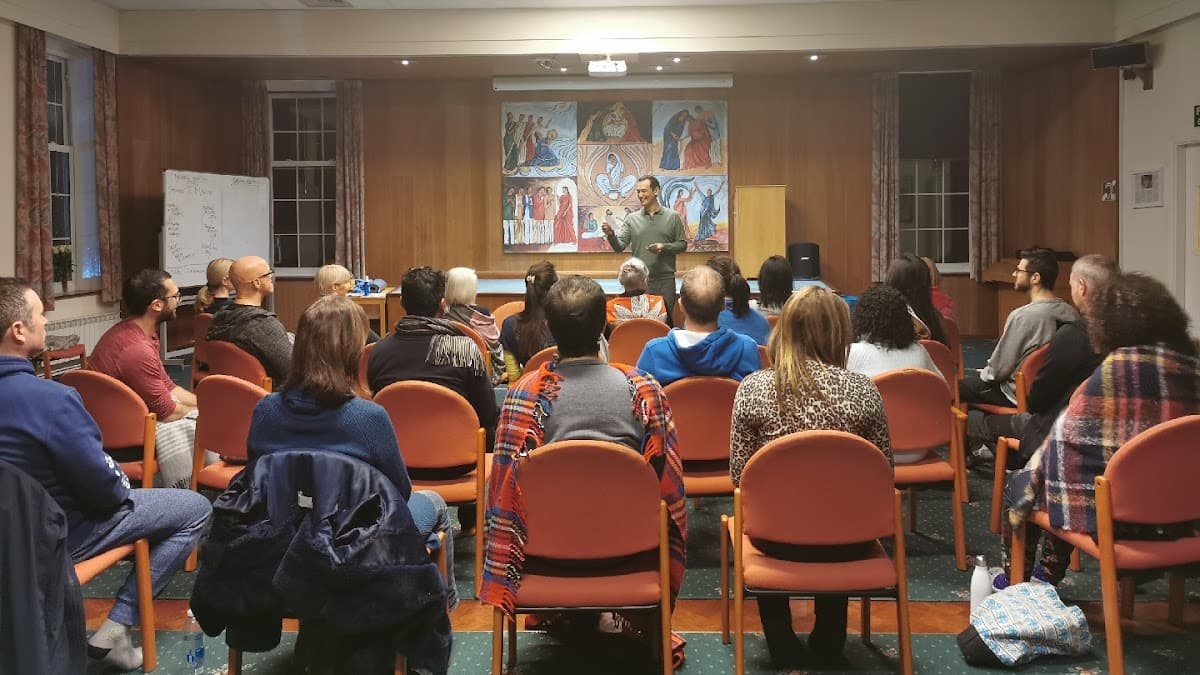

Andre Berry Meditation
England
MeditationphilosophyBeginners
FindYoga lists 8 mantra studios and class providers in London. Browse timetables, compare styles and find the right mantra session for your level — whether you're stepping on the mat for the first time or deepening an established practice.
England


England
England
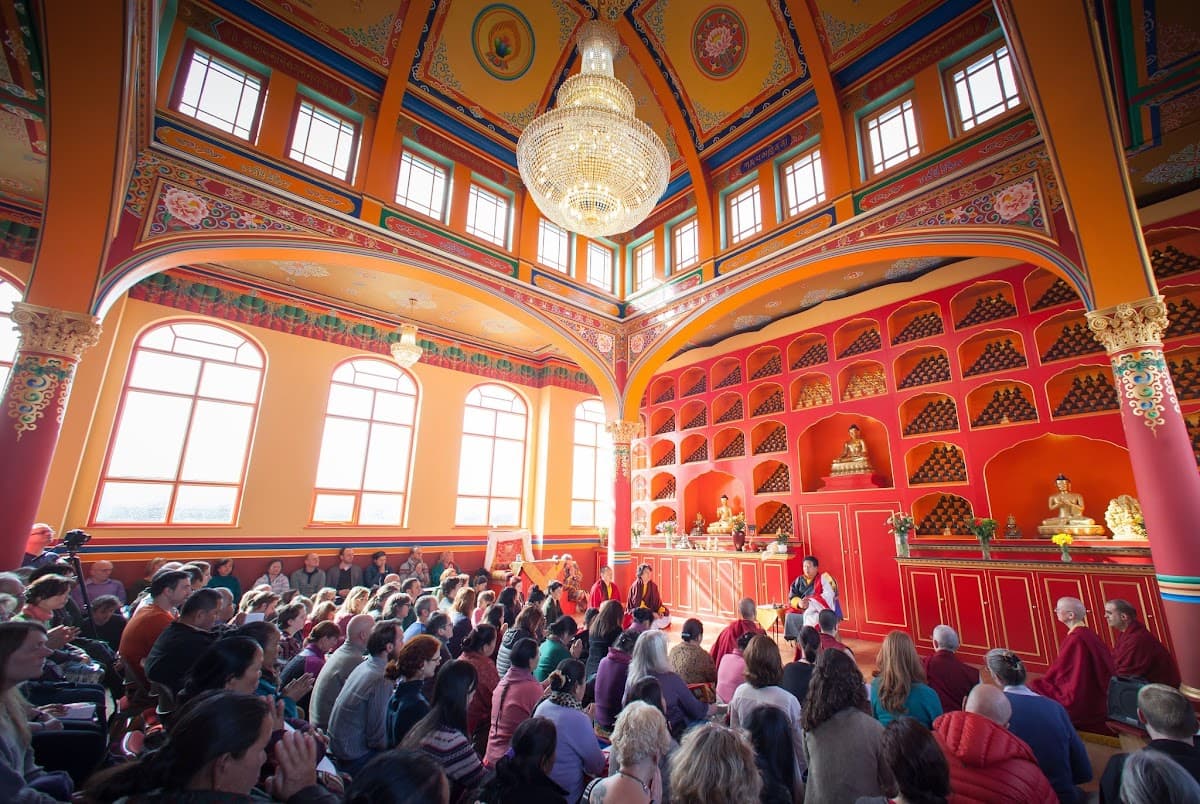
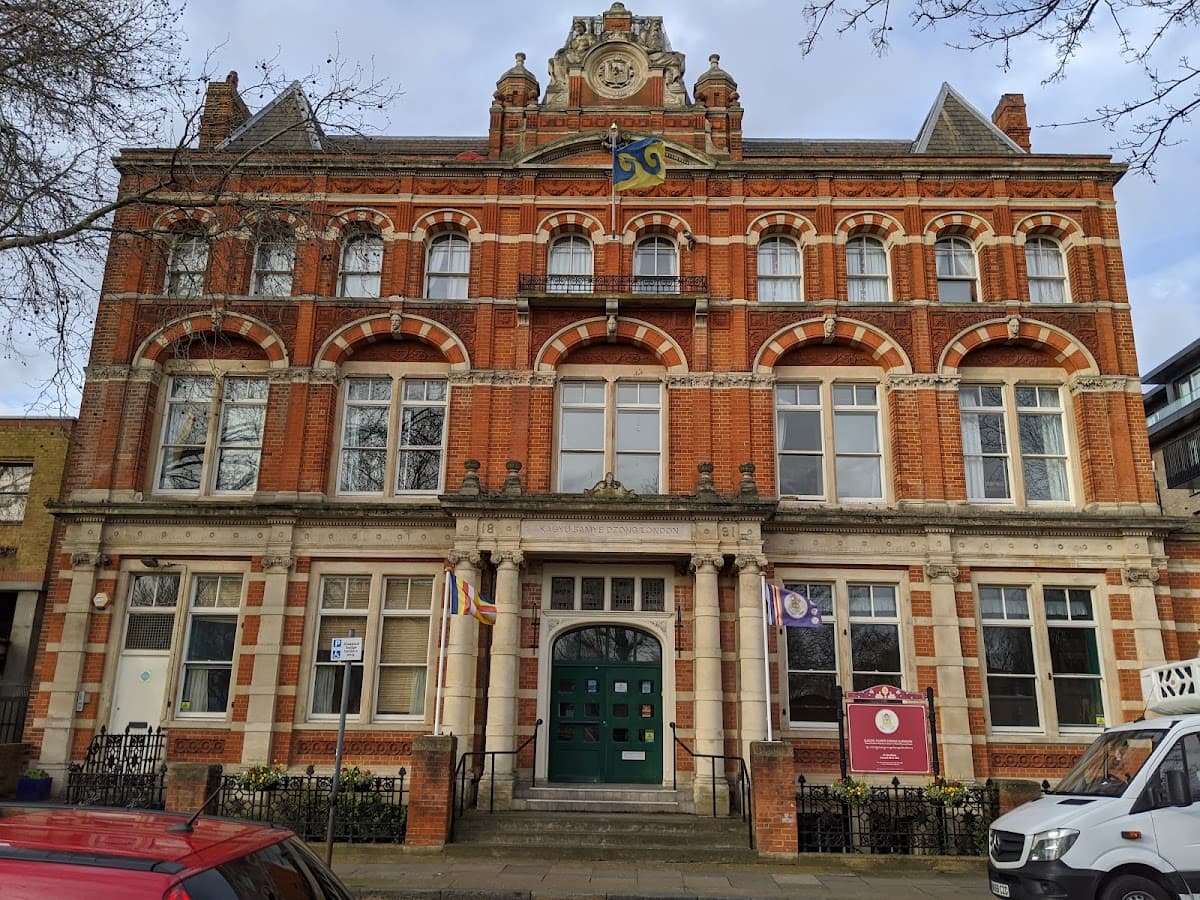
Tibetan Buddhist community/meditation centre at colourful facility in a converted Victorian library.

England
England
England
England
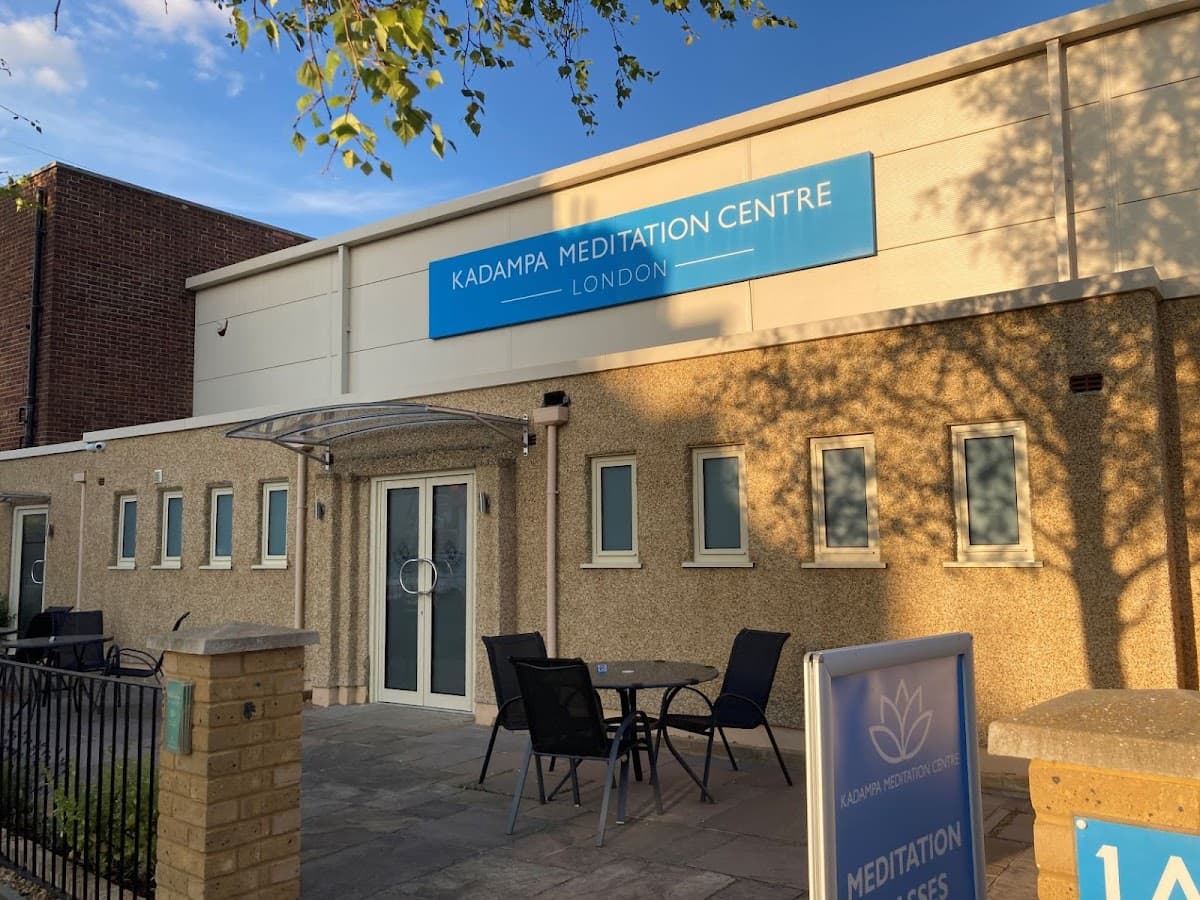
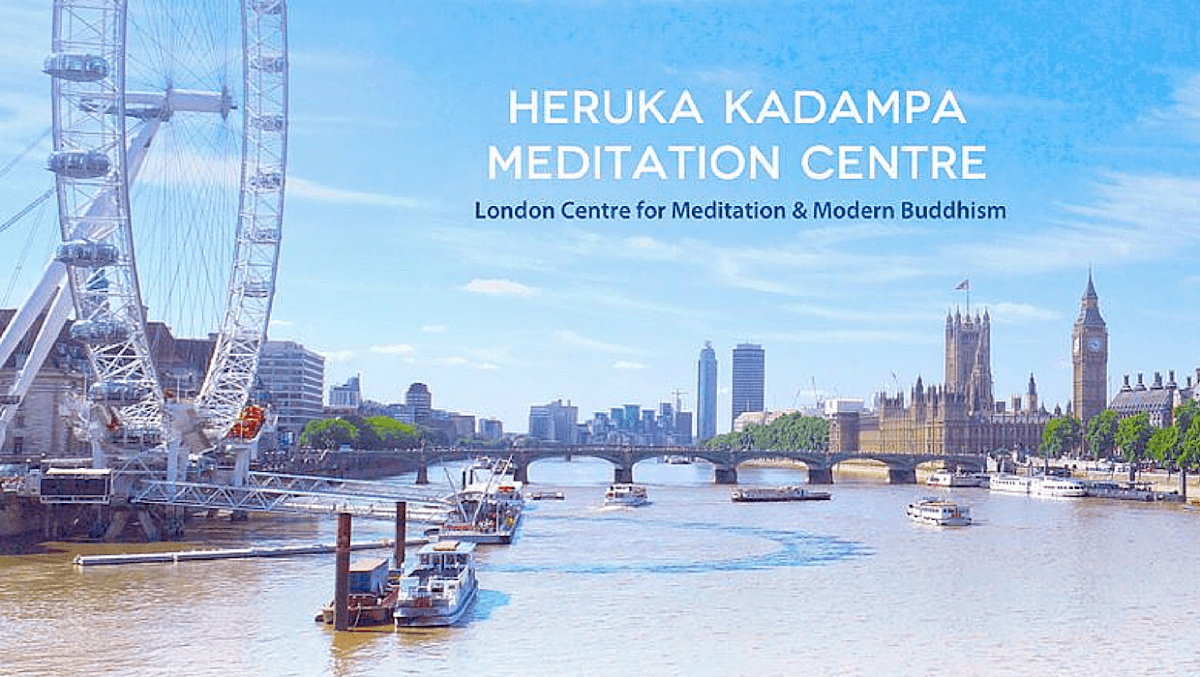
Kadampa Buddhism educational retreat and meditation hub, with classes, a bookshop and a garden.

England
Mantra is one of the oldest and most universally resonant practices in the yoga tradition — a form of sacred sound meditation in which words, syllables, or phrases are repeated aloud, whispered, or held silently in the mind to focus awareness and cultivate inner stillness. Rooted in the ancient Sanskrit texts of the Vedas, dating back more than four thousand years, mantra has been central to Hindu, Buddhist, and yogic spiritual life for millennia. The word itself comes from the Sanskrit roots "manas," meaning mind, and "tra," meaning tool or vehicle — making mantra, quite literally, an instrument of the mind. Practitioners love it for its elegant simplicity: no special equipment, no particular level of physical fitness required, just the breath, the voice, and the quiet intention to turn inward. For many people, mantra becomes an anchor in an otherwise scattered day, offering a reliable doorway into calm.
The tradition of mantra was carried into the modern Western yoga world through a number of luminous teachers. Swami Sivananda of Rishikesh championed the daily repetition of mantras as an essential spiritual discipline, and his influence shaped countless yoga lineages that followed. In the Kundalini yoga tradition brought to the West by Yogi Bhajan in 1969, mantra is inseparable from the practice itself, woven into every kriya and meditation sequence with precision and intention. Whether chanting "Om," the primordial sound said to represent the vibration of the universe, or repeating a personally chosen phrase such as "So Hum" — meaning "I am that" — practitioners engage both the nervous system and the deeper layers of the mind. Neuroscience has begun to catch up with what yogis have always known: rhythmic repetition of sound reduces activity in the default mode network, the brain's "chatter center," lowering cortisol levels, easing anxiety, and supporting a profound sense of inner spaciousness.
A typical mantra session might involve seated meditation, controlled breathing, and the repetition of a chosen sound or phrase for anywhere from five minutes to an hour. Some practitioners use a mala — a string of 108 beads — to count repetitions, transforming the practice into a moving meditation. It is wonderfully well suited to beginners who find seated silence intimidating, to experienced meditators looking to deepen their focus, and to anyone navigating stress, grief, or mental fatigue. Mantra asks nothing more than a willingness to show up and listen — and for those who do, it has a way of becoming one of the most quietly transformative practices in their entire wellness life.