
Shree Yogshala Rishikesh Retreats | Best Yoga Retreats
Chandreshwar Nagar, Uttarakhand
MeditationretreatHatha
20 studios offering hatha found near Rishikesh
FindYoga lists 20 hatha studios and class providers in Rishikesh. Browse timetables, compare styles and find the right hatha session for your level — whether you're stepping on the mat for the first time or deepening an established practice.
Chandreshwar Nagar, Uttarakhand
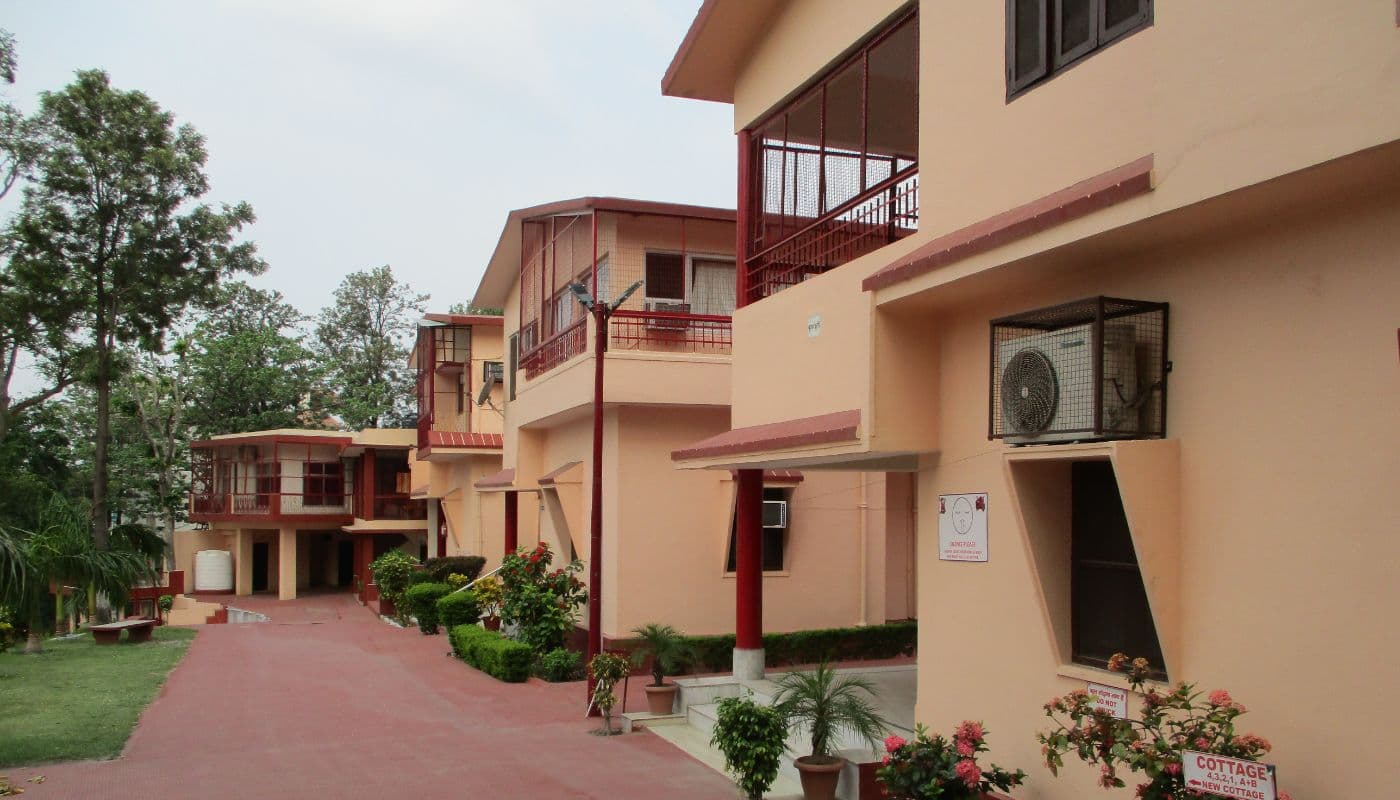
Swargashram, Uttarakhand
One of India's oldest ashrams — traditional yoga & meditation since 1964
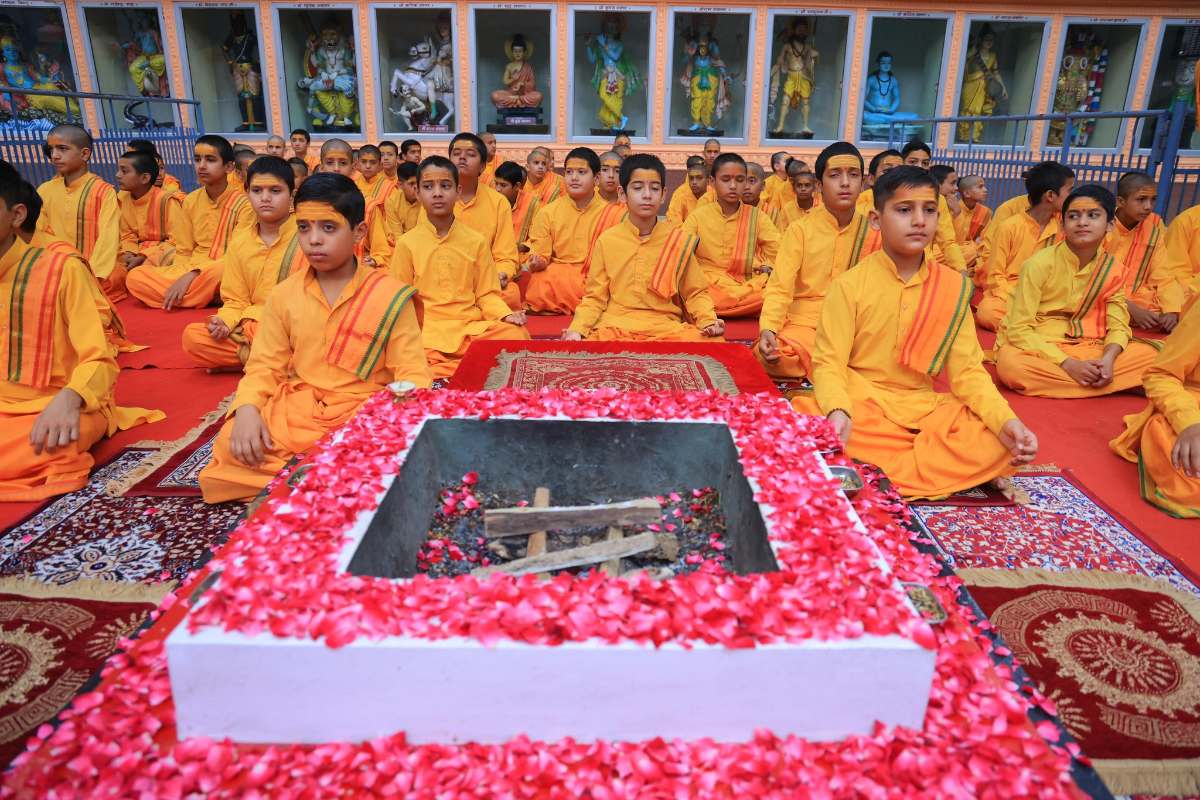

Swargashram, Uttarakhand
India's largest ashram — yoga, spirituality and Ganga aarti on the banks of the holy river
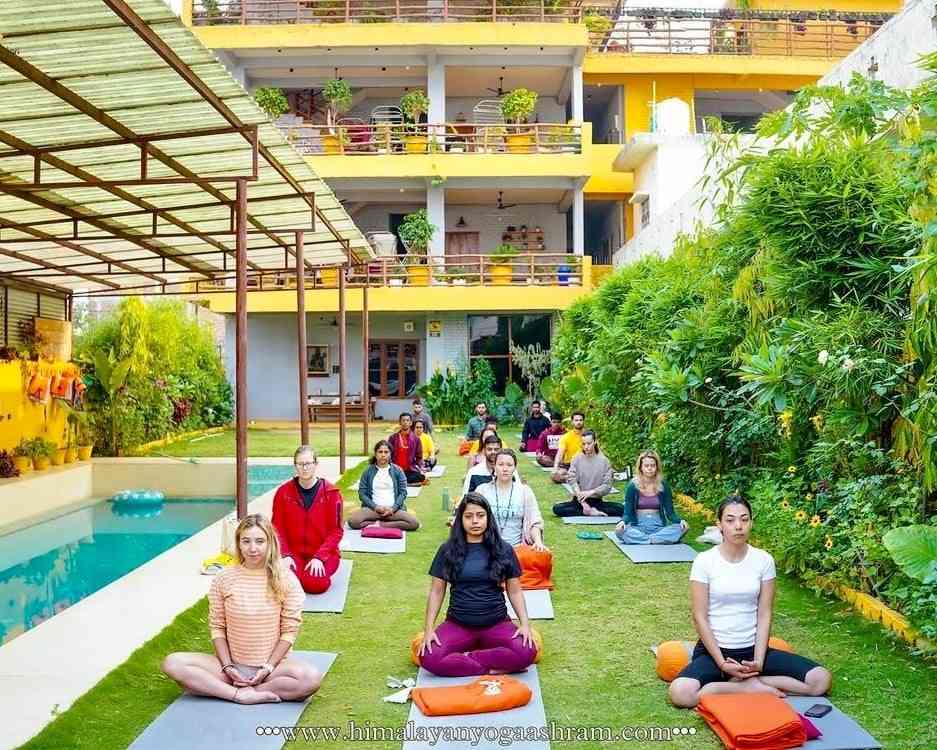

Gulab Nagar, Tapovan, Uttarakhand
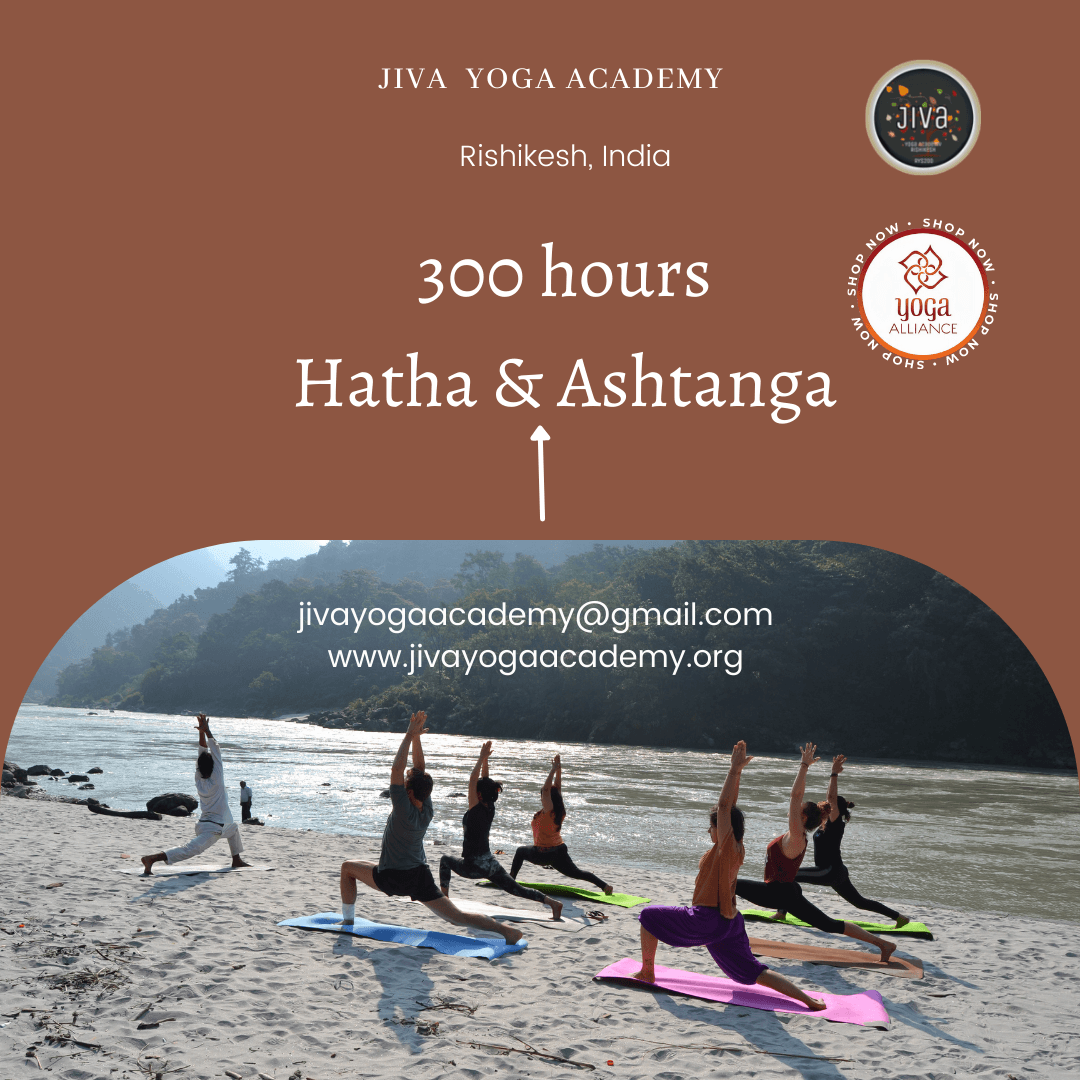
Traditional Ashtanga, Hatha & Vinyasa teacher training certified by Yoga Alliance USA, UK & International
Swarg Ashram, Uttarakhand


Upper Tapovan, Uttarakhand
10+ years of authentic Vinyasa, Hatha & multi-style teacher training in Tapovan
Swarg Ashram, Uttarakhand
Laxman Jhula, Uttarakhand
Tapovan, Uttarakhand
Tapovan, Uttarakhand
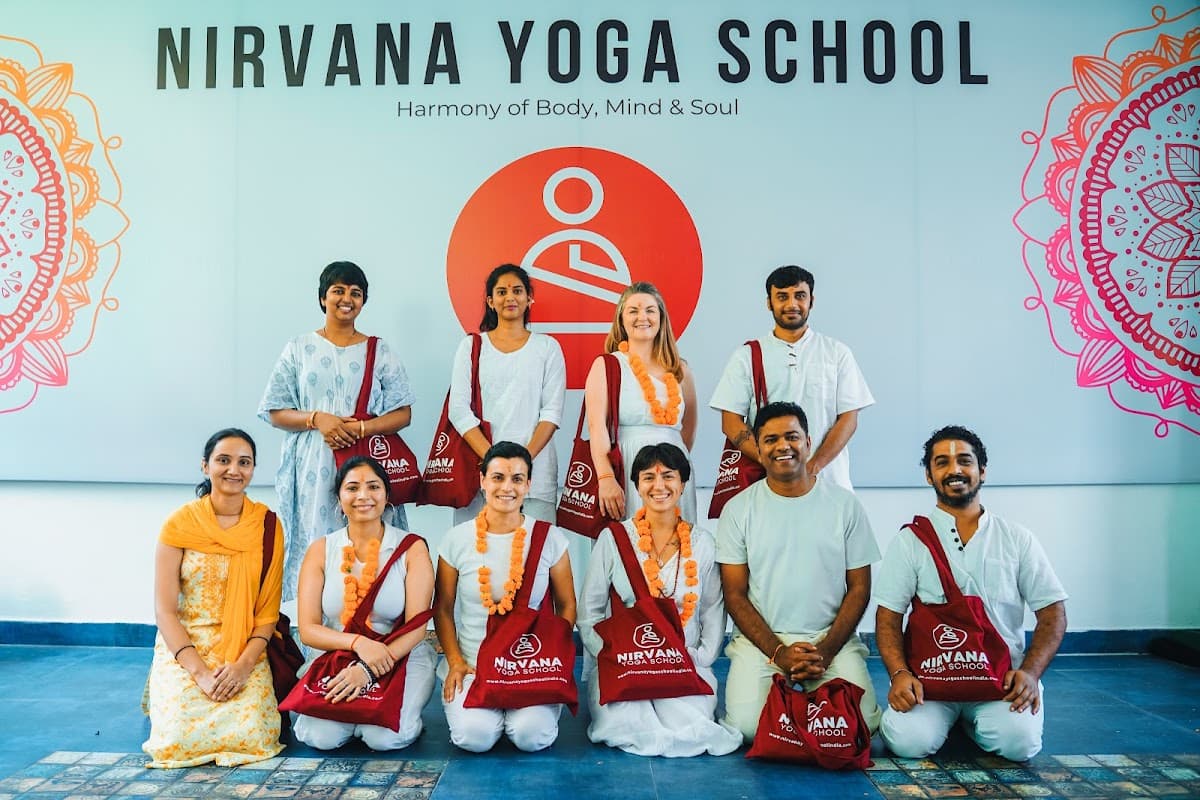
Tapovan, Uttarakhand
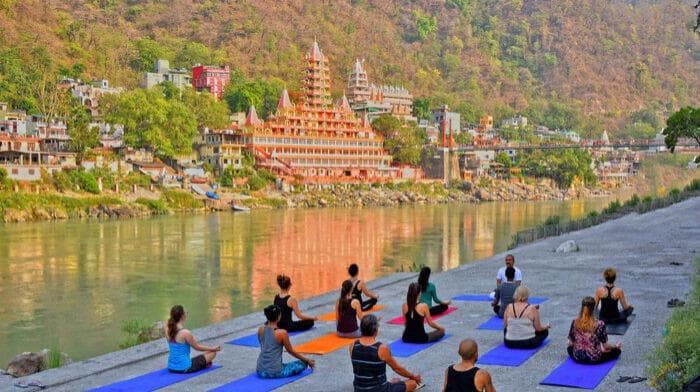
Tapovan, Uttarakhand
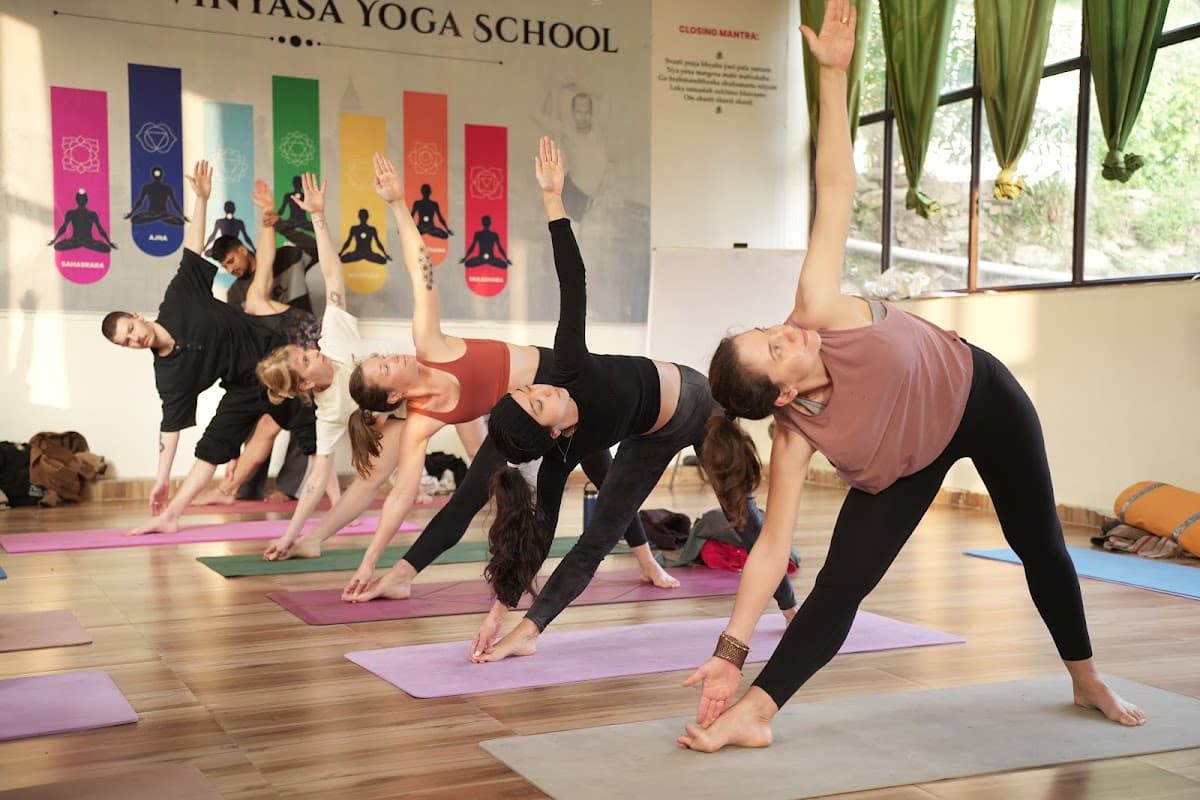
Rishikesh, Uttarakhand
Laxman Jhula, Uttarakhand
Rishikesh, Uttarakhand
Tapovan, Uttarakhand
Tapovan, Uttarakhand
Laxman Jhula, Uttarakhand
Raiwala, Uttarakhand
Paliyal Gaon, Uttarakhand
Hatha yoga is one of the oldest and most foundational forms of yoga in existence, and for millions of practitioners around the world, it remains the perfect entry point into a lifelong practice. The word "hatha" comes from the Sanskrit roots "ha," meaning sun, and "tha," meaning moon — a poetic reminder that this practice is built on the principle of balance: strength and flexibility, effort and ease, body and breath moving in harmony. Unhurried and deeply intentional, Hatha offers something increasingly rare in modern life — a genuine invitation to slow down, tune in, and reconnect with the physical self in a meaningful way.
The roots of Hatha yoga stretch back to medieval India, with the Hatha Yoga Pradipika, written by the sage Swatmarama in the 15th century, serving as one of its earliest and most revered texts. This classical manual outlined postures, breathwork, and purification practices designed to prepare the body and mind for deeper states of meditation. Over centuries, these teachings were carried forward by lineages of devoted teachers, and in the 20th century, pioneering figures like Tirumalai Krishnamacharya helped shape the modern understanding of Hatha as a systematic physical practice. Today, nearly every style of yoga practiced in the West — from Vinyasa to Iyengar — traces its roots back to Hatha's foundational principles. A typical Hatha class moves at a steady, accessible pace, guiding students through a series of standing, seated, and supine postures held long enough to cultivate both awareness and stability. Sessions almost always include focused breathwork, known as pranayama, and often close with a period of guided relaxation or meditation. The benefits are wide-ranging and well-documented: improved flexibility, greater core strength, reduced stress, better posture, and a calmer, more focused mind. Regular practice has also been linked to lower blood pressure, improved sleep quality, and a heightened sense of overall wellbeing.
Hatha is particularly well suited to beginners, older adults, and anyone returning to movement after injury or a period of inactivity, though seasoned practitioners continue to find depth and challenge within its classical framework. Its emphasis on alignment, breath, and present-moment awareness makes it a grounding antidote to faster-paced styles, and its accessibility means that people of virtually every age and fitness level can step onto the mat with confidence. For anyone curious about yoga but unsure where to begin, Hatha is not just a starting point — it is a complete and luminous path in its own right, waiting to be explored.