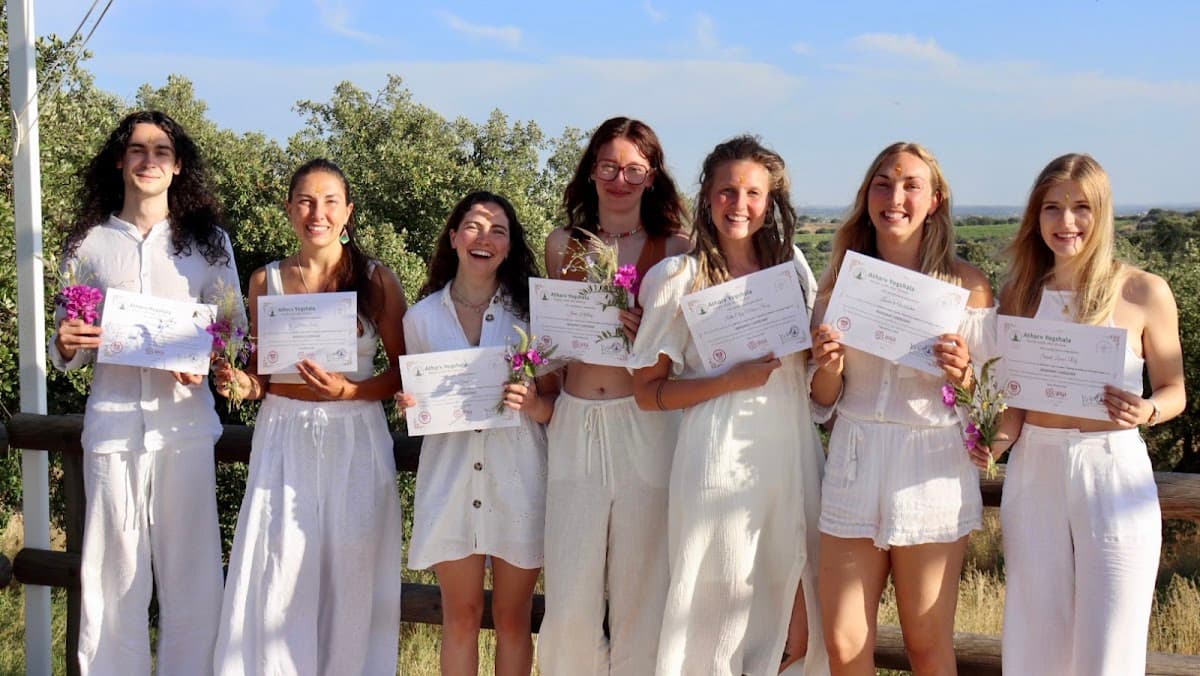

Atharv Yogshala - Yoga Teacher Training & Retreats in Rishikesh
Raiwala, Uttarakhand
MeditationphilosophyHatha
FindYoga lists 66 breathwork studios and class providers in Goa. Browse timetables, compare styles and find the right breathwork session for your level — whether you're stepping on the mat for the first time or deepening an established practice.
Raiwala, Uttarakhand
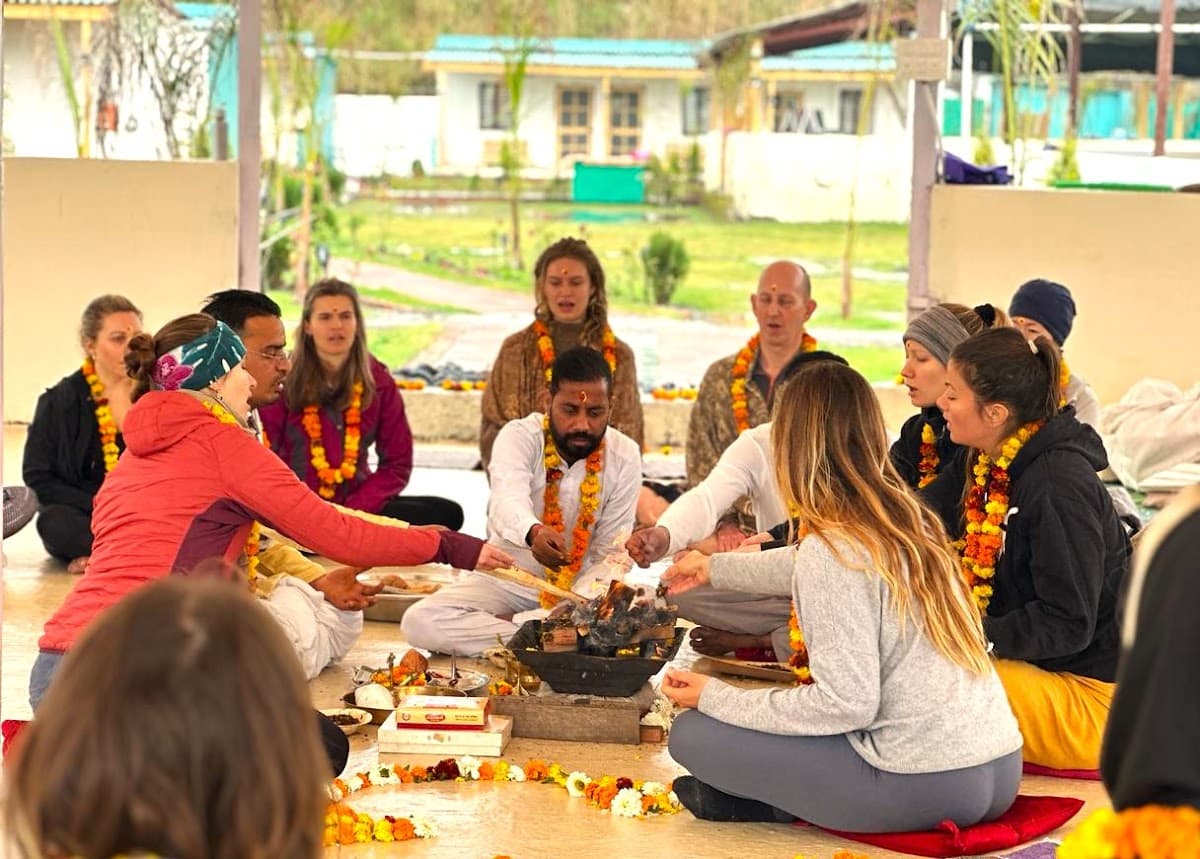
Khadri Khadakmaf, Uttarakhand
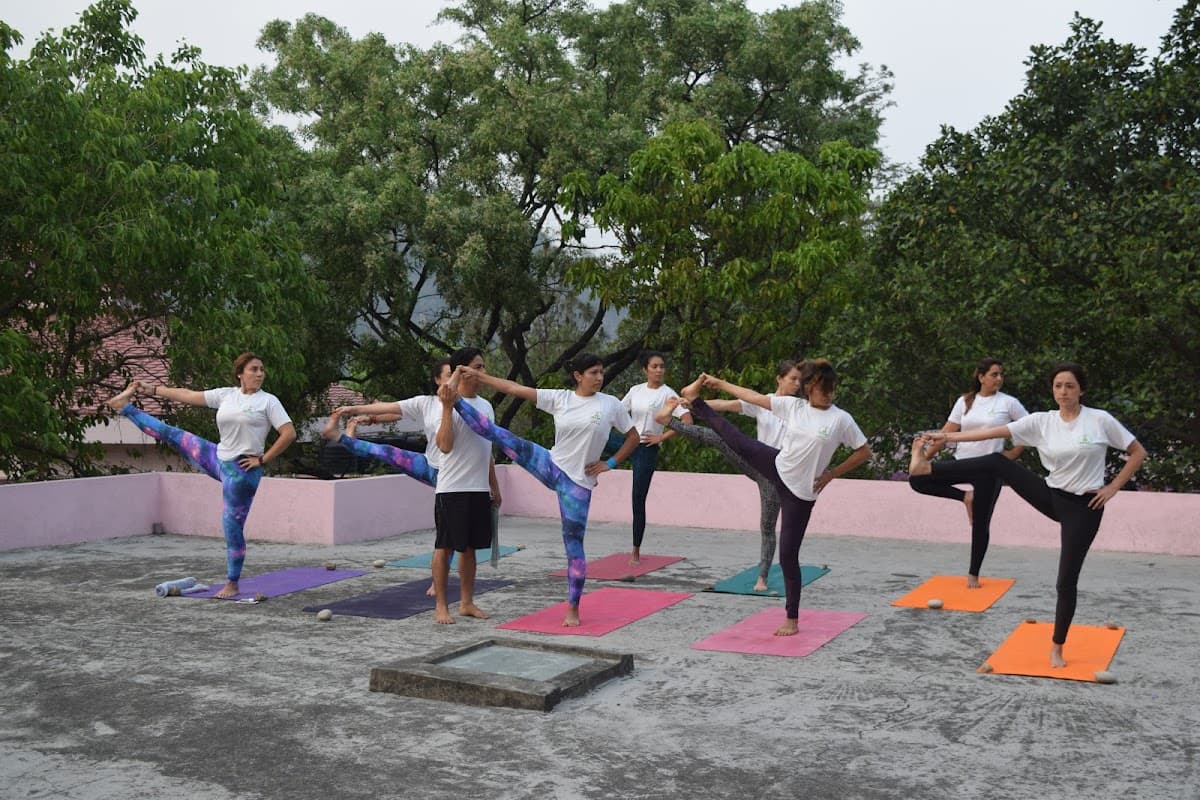
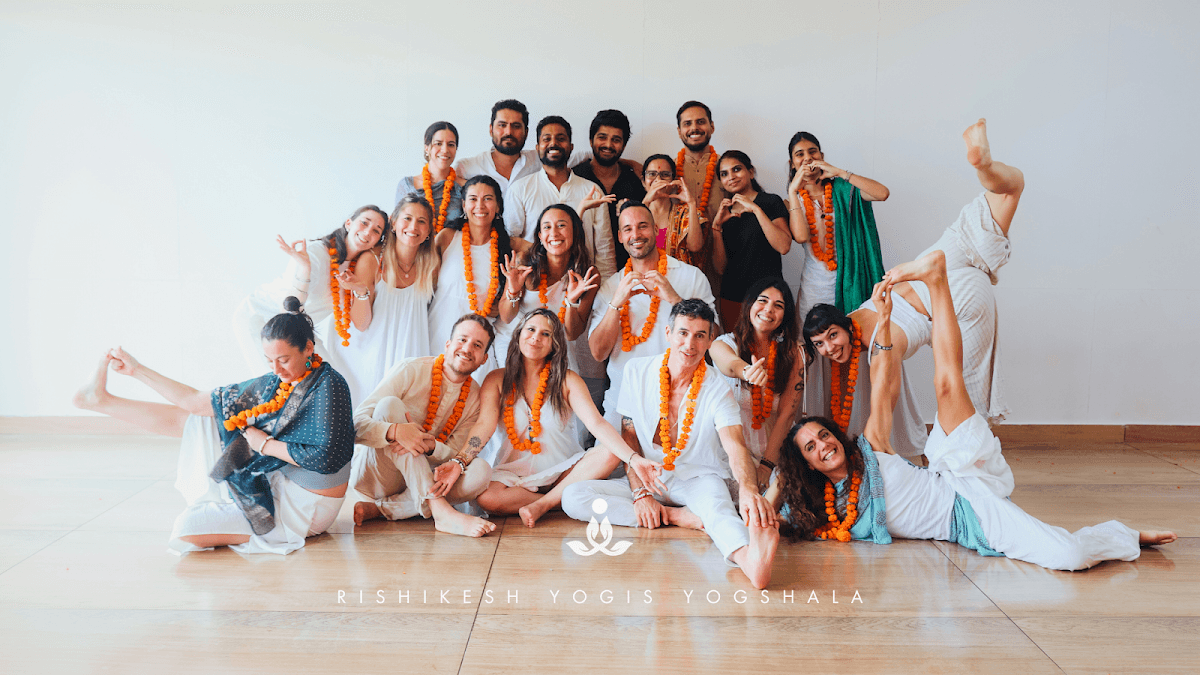
Rishikesh, Uttarakhand
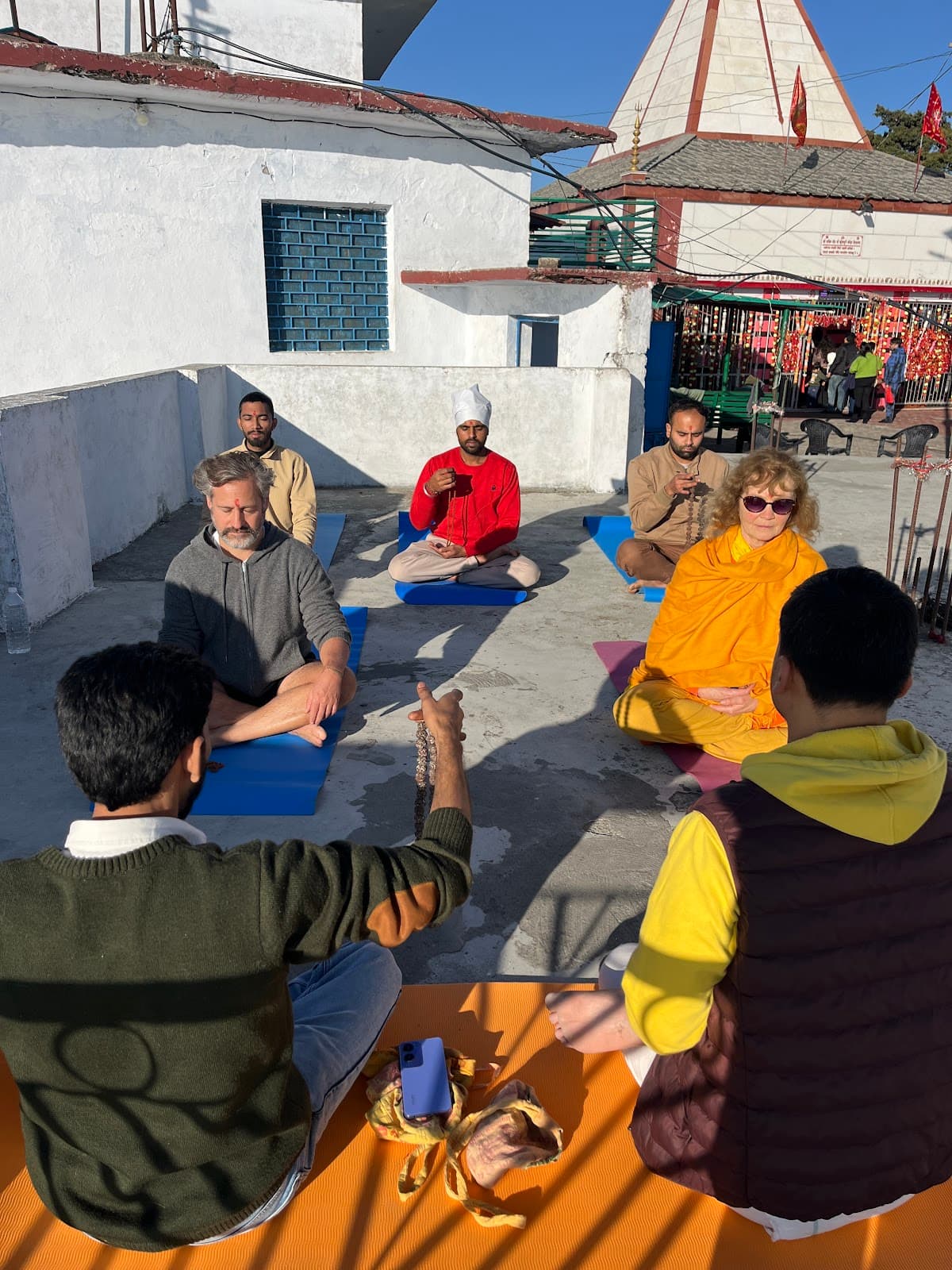
Birpur Khurd, Uttarakhand
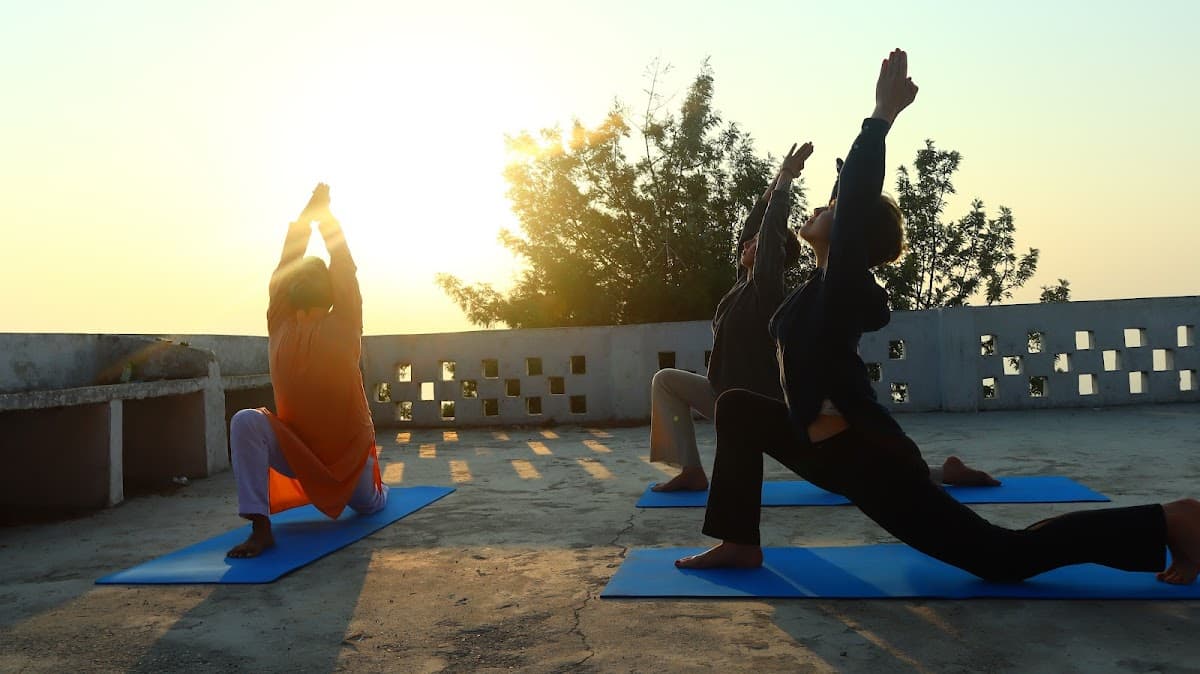
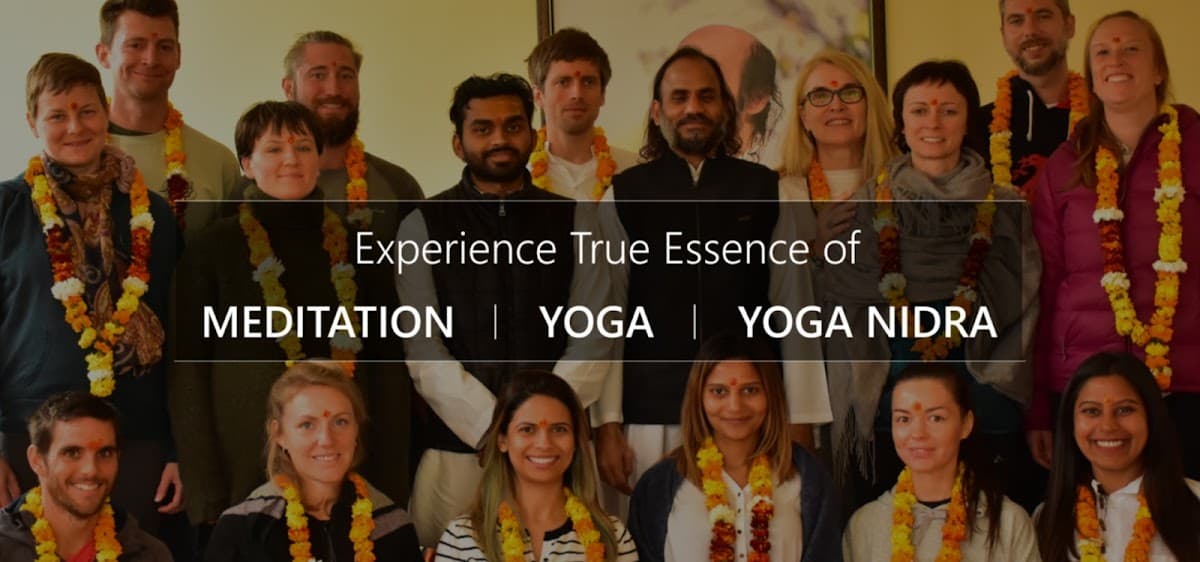
Visthapit Colony, Uttarakhand
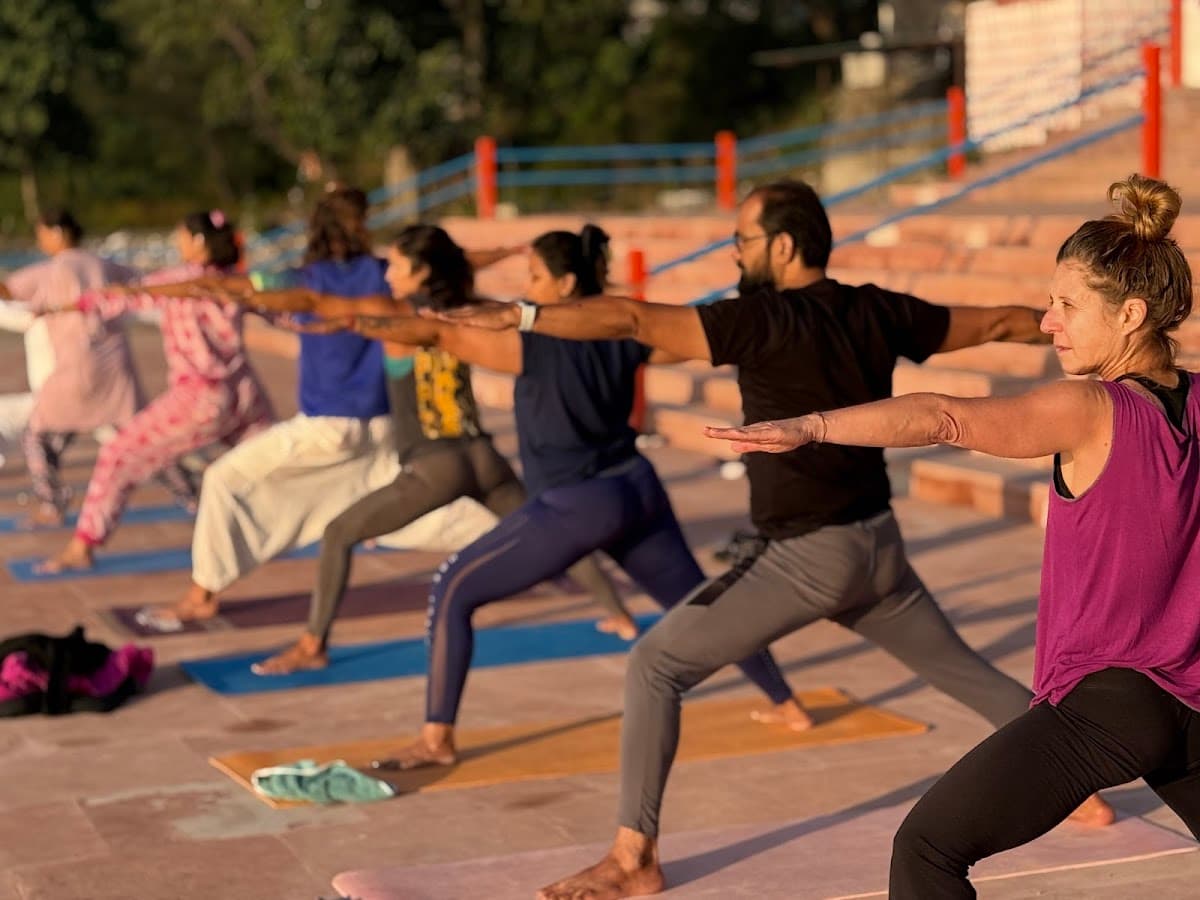
Nirmal Block- B, Uttarakhand
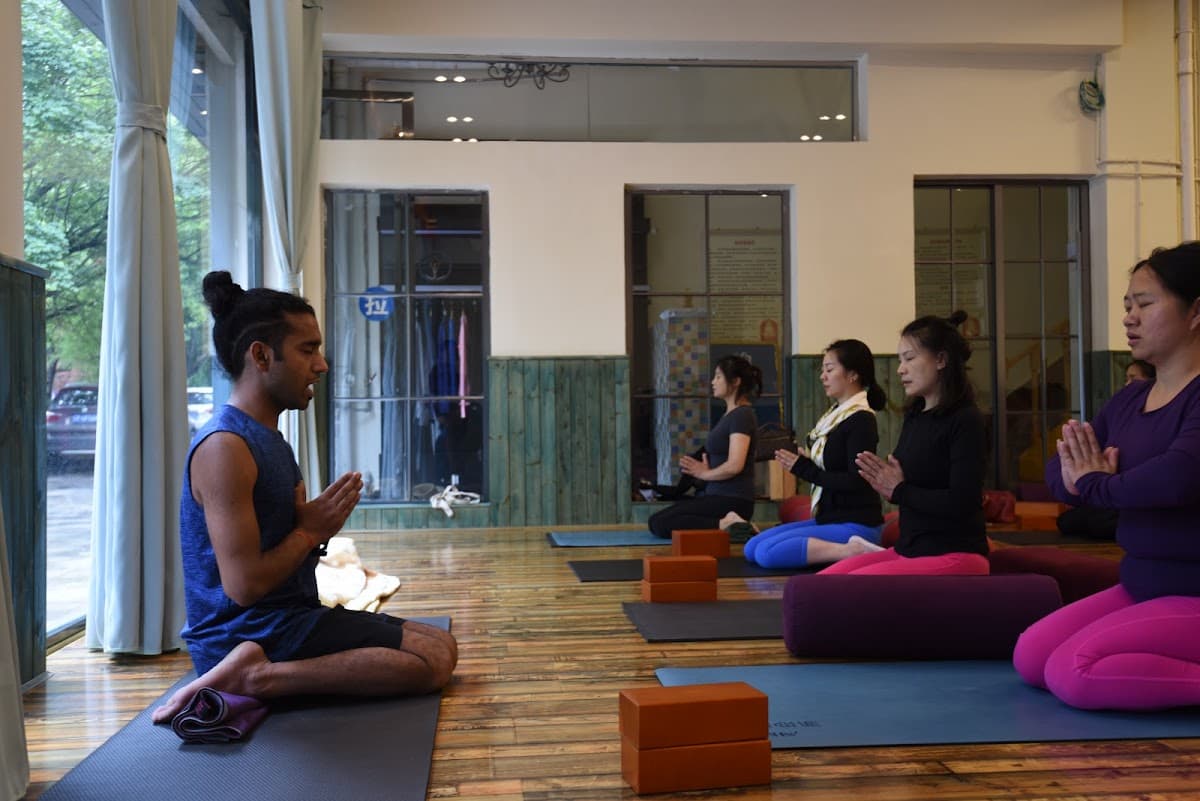
Bharat Vihar, Uttarakhand
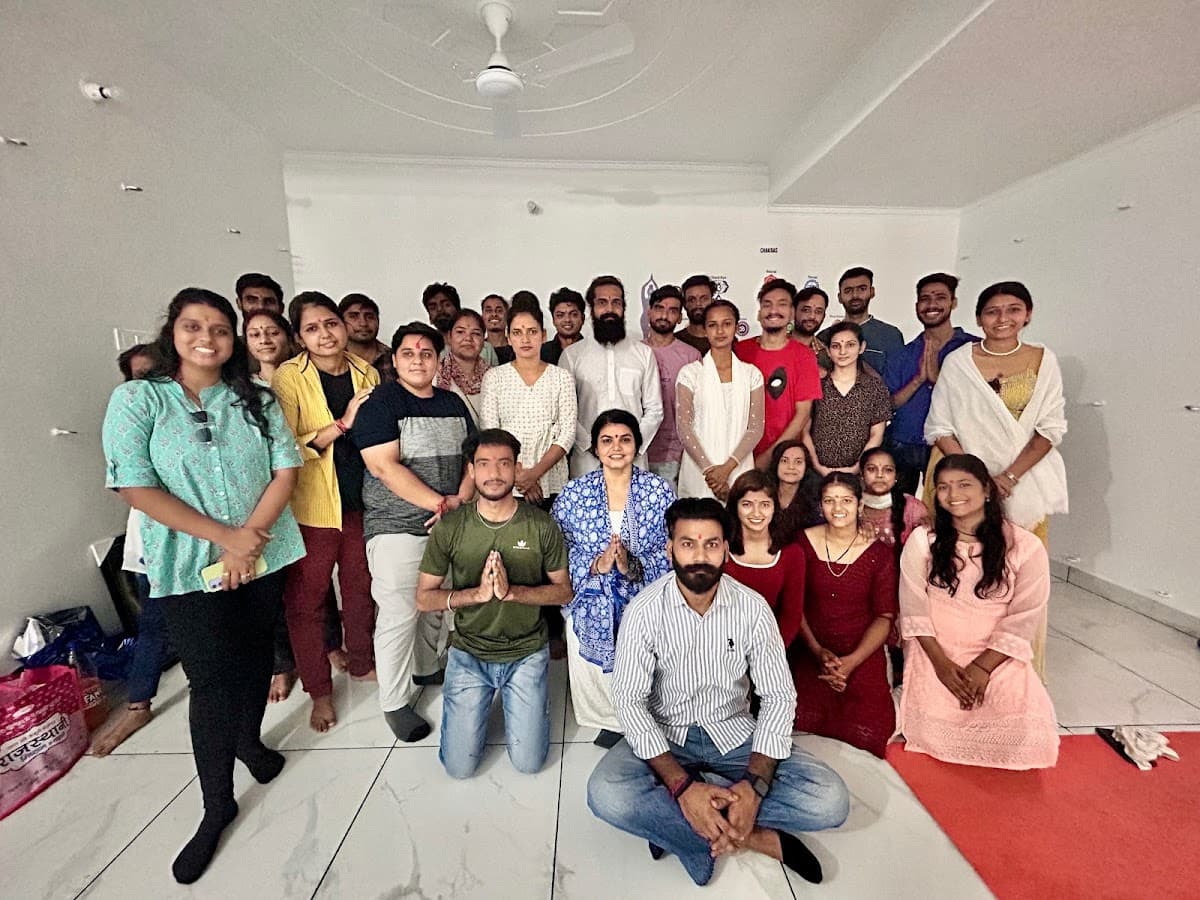
Kolghatti, Uttarakhand
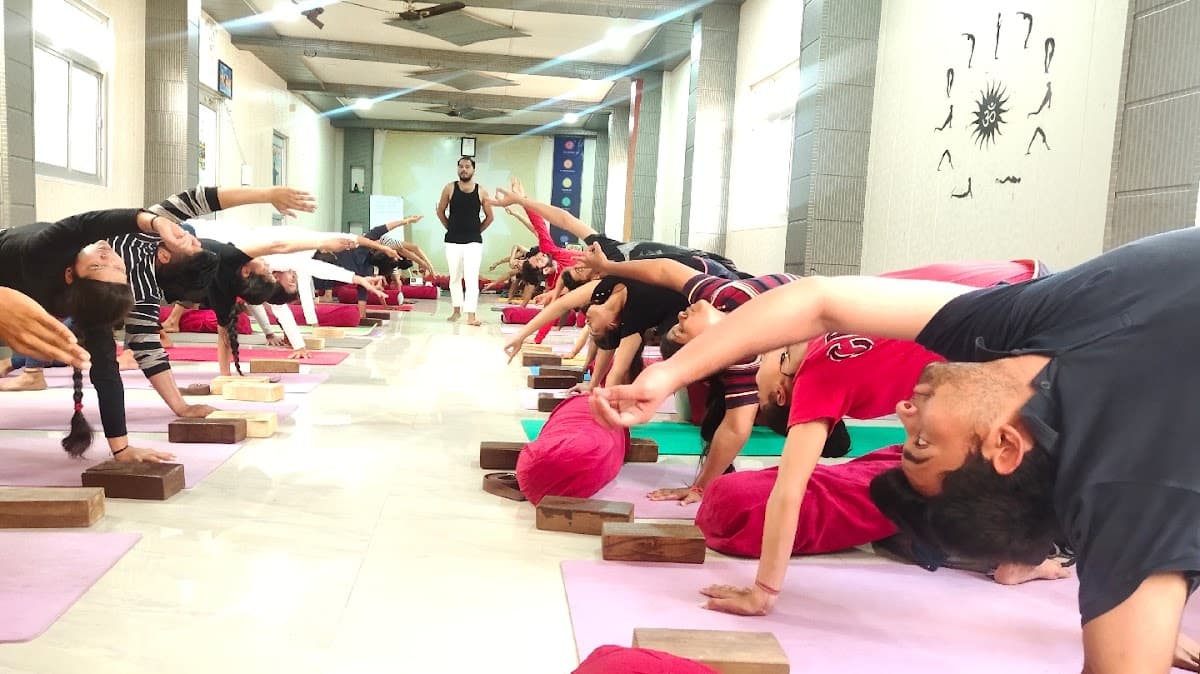
Doctor Colony, Uttarakhand
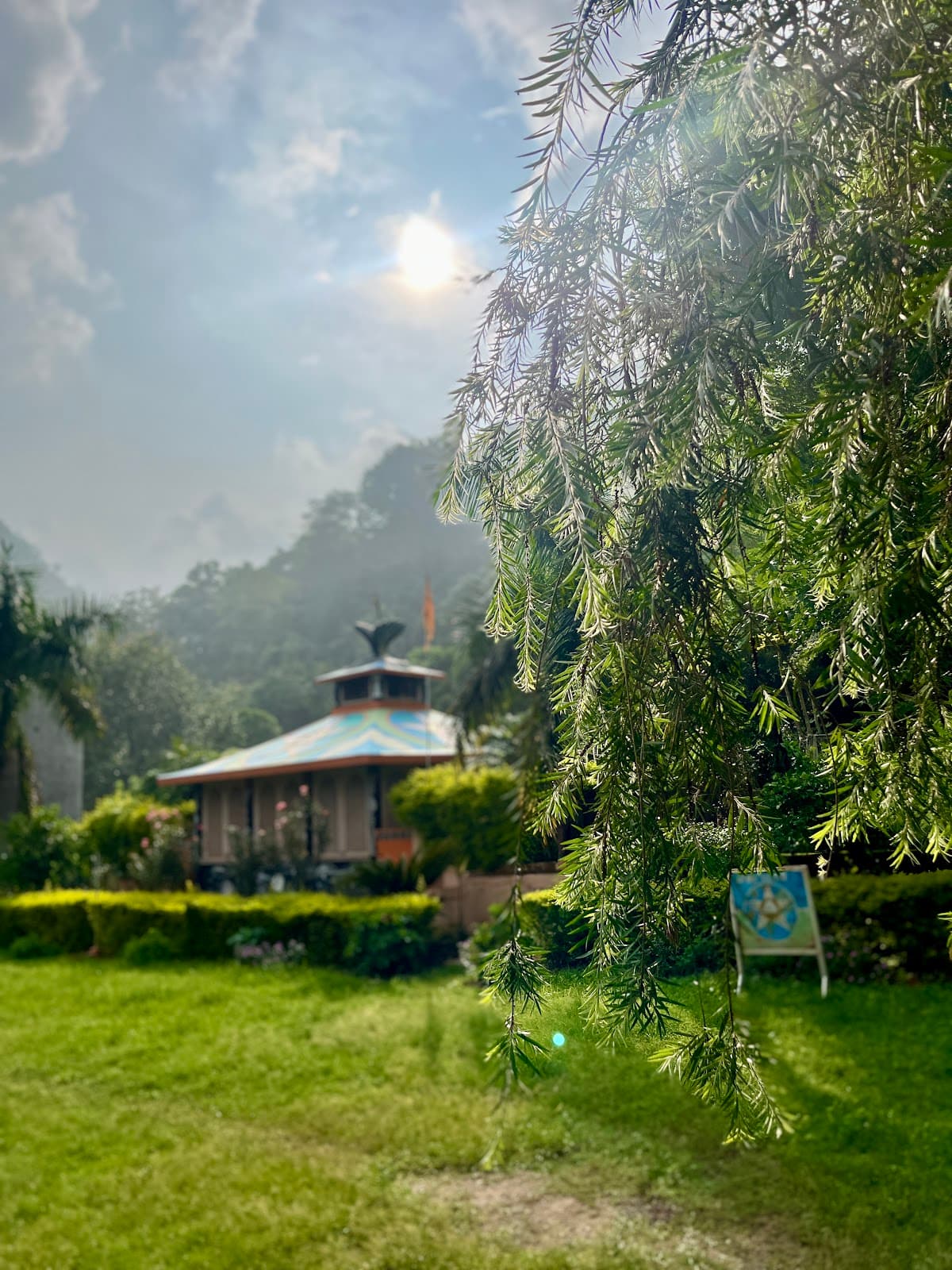
Taliyal Gaon, Uttarakhand
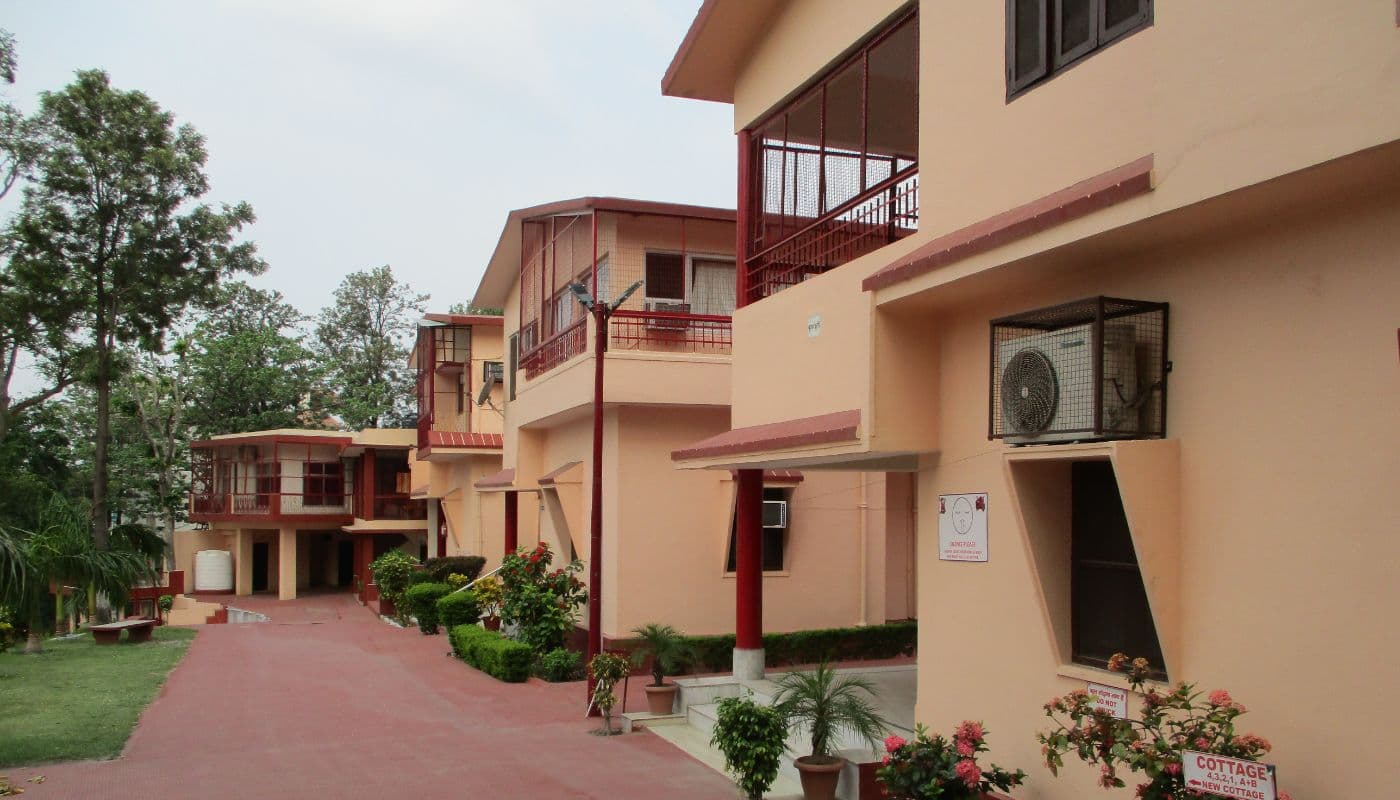
Swargashram, Uttarakhand
One of India's oldest ashrams — traditional yoga & meditation since 1964
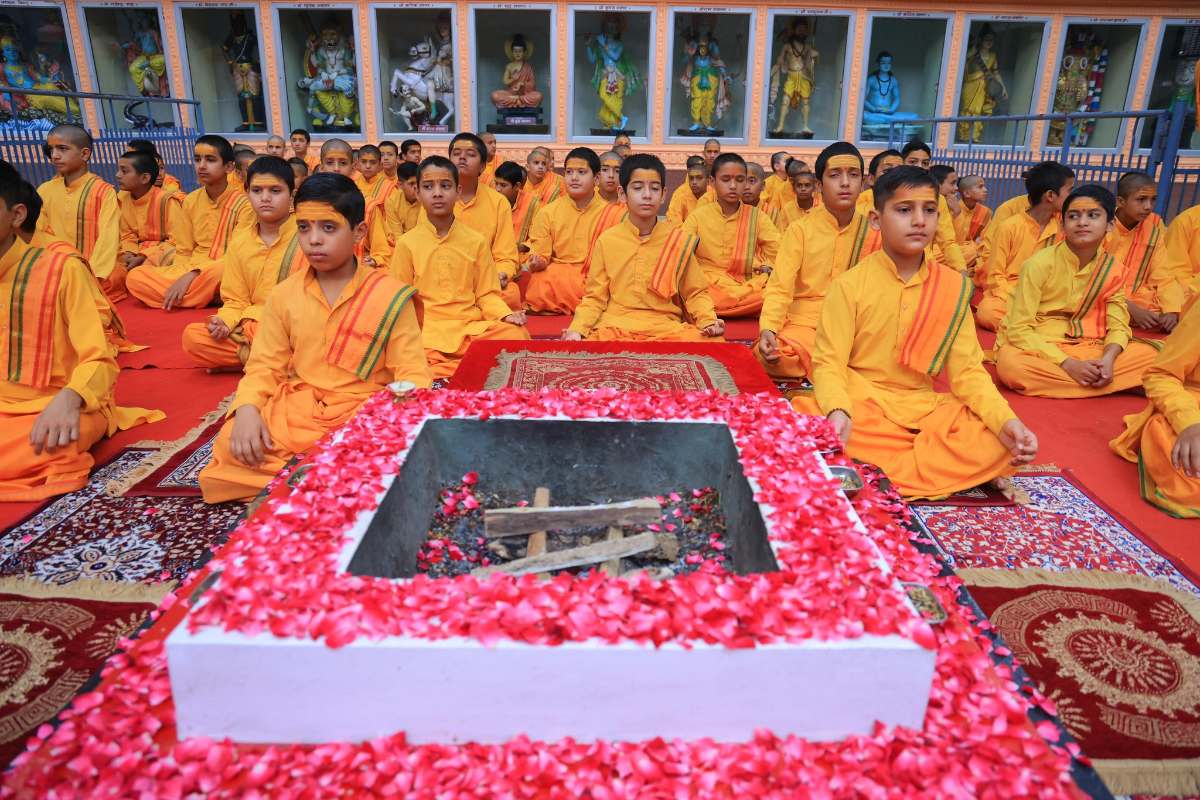

Swargashram, Uttarakhand
India's largest ashram — yoga, spirituality and Ganga aarti on the banks of the holy river
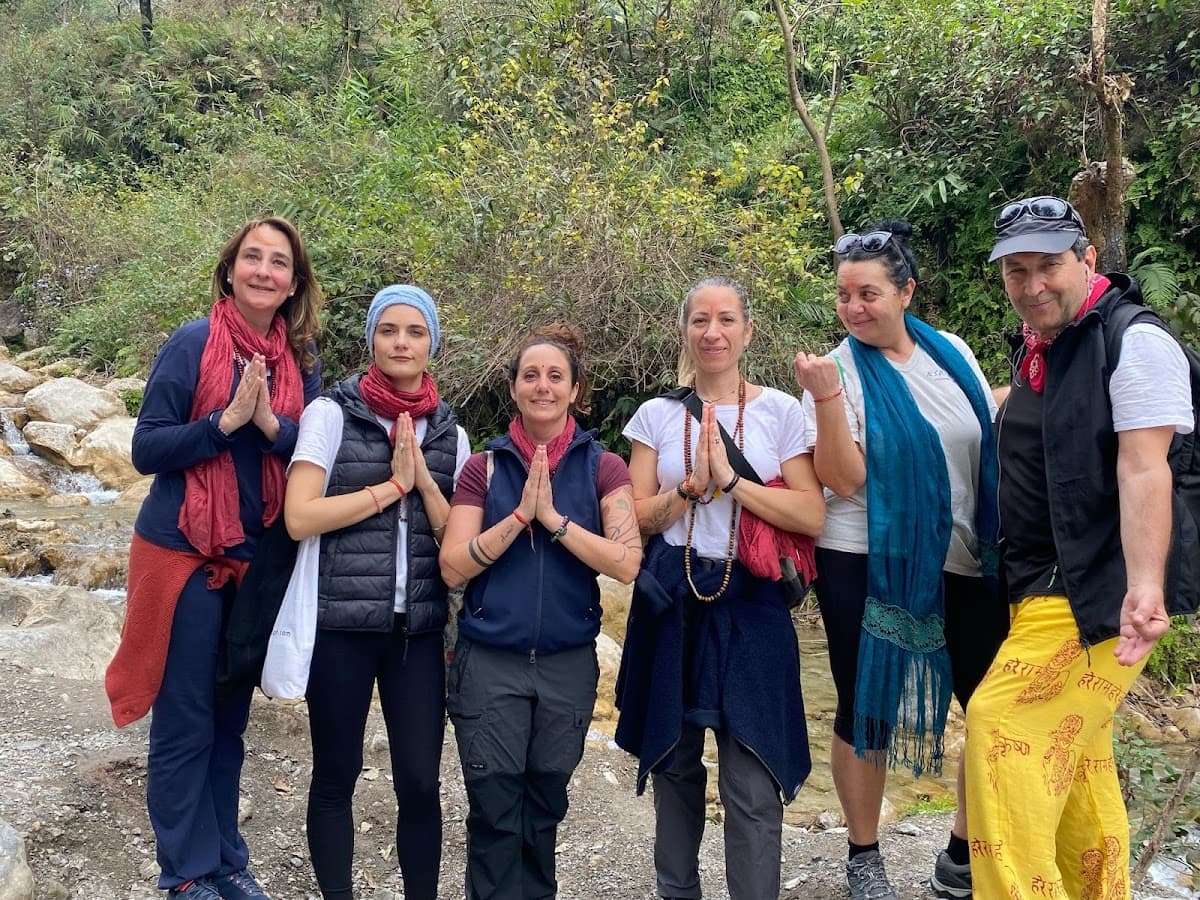
Chandreshwar Nagar, Uttarakhand
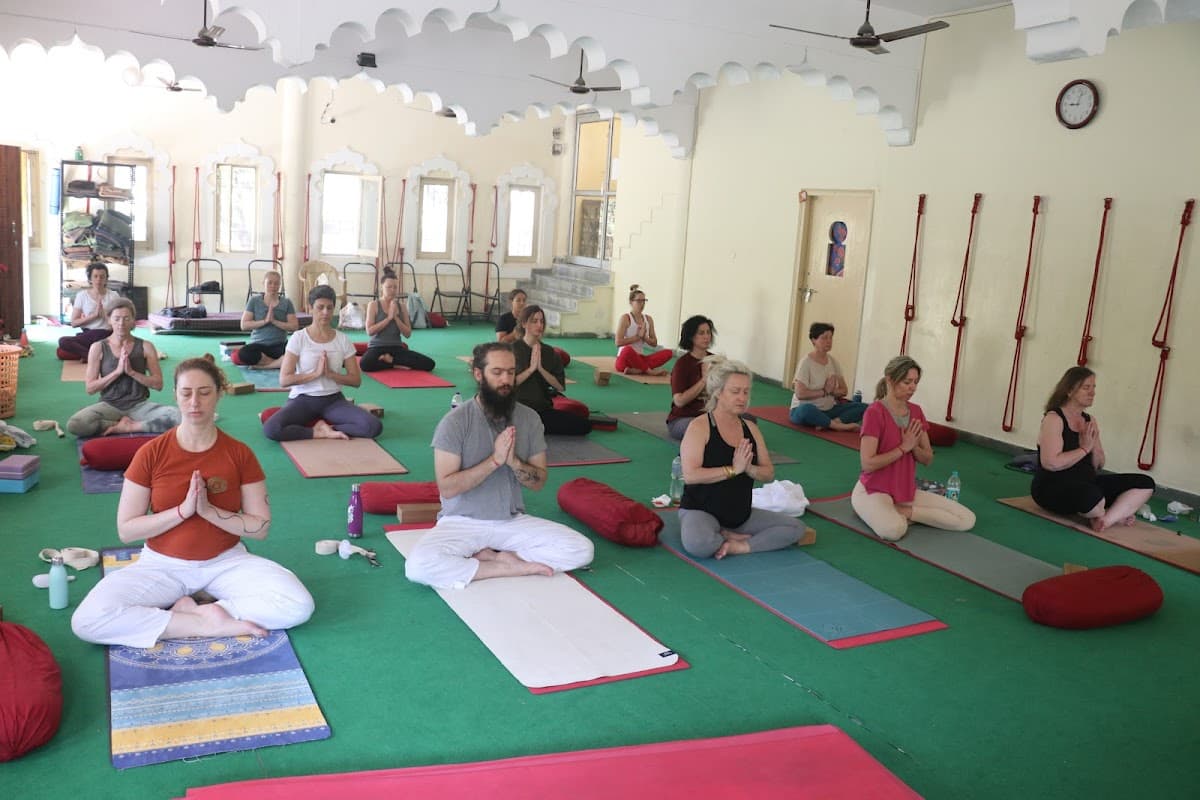
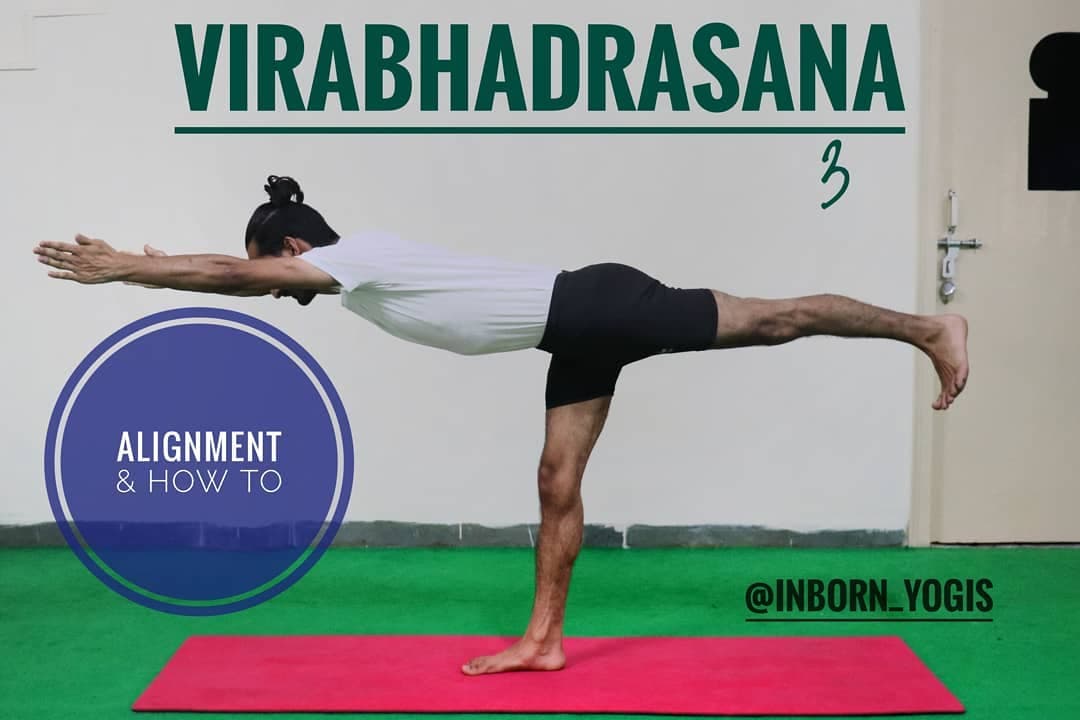
Dhalwala, Uttarakhand
Swarg Ashram, Uttarakhand
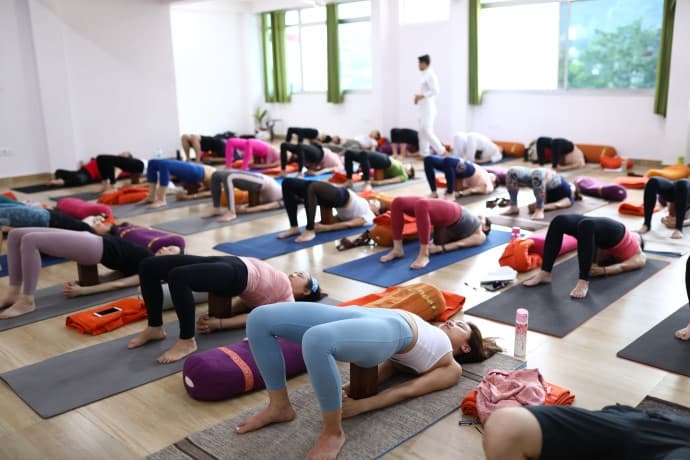
Swarg Ashram, Uttarakhand
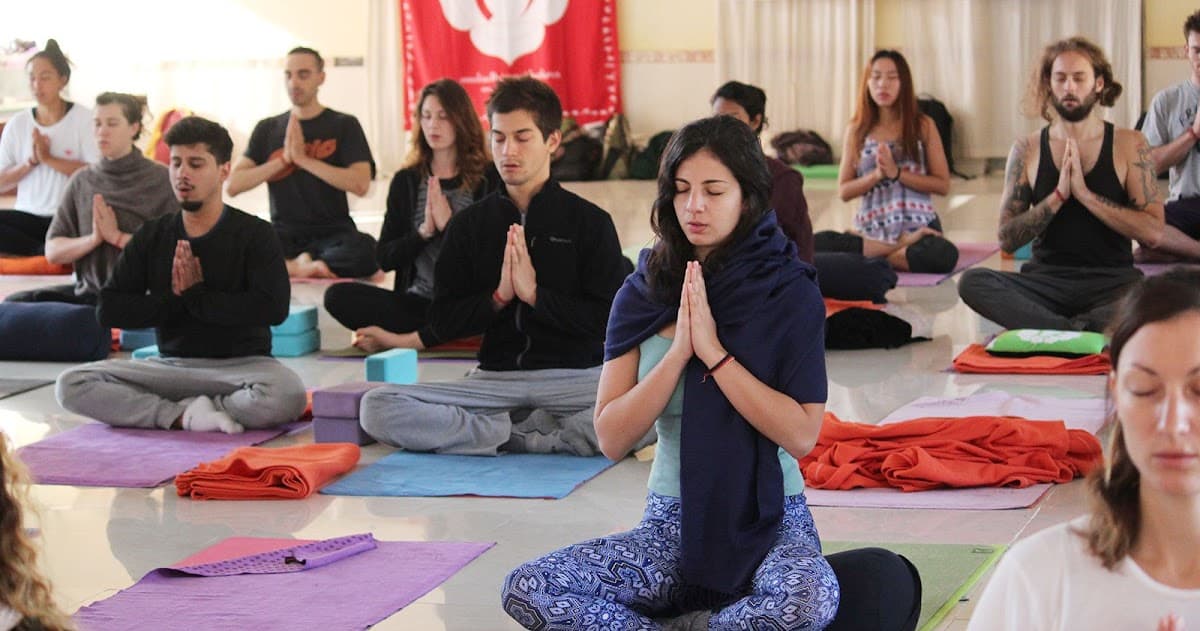
Swarg Ashram, Uttarakhand
Swarg Ashram, Uttarakhand
Swarg Ashram, Uttarakhand
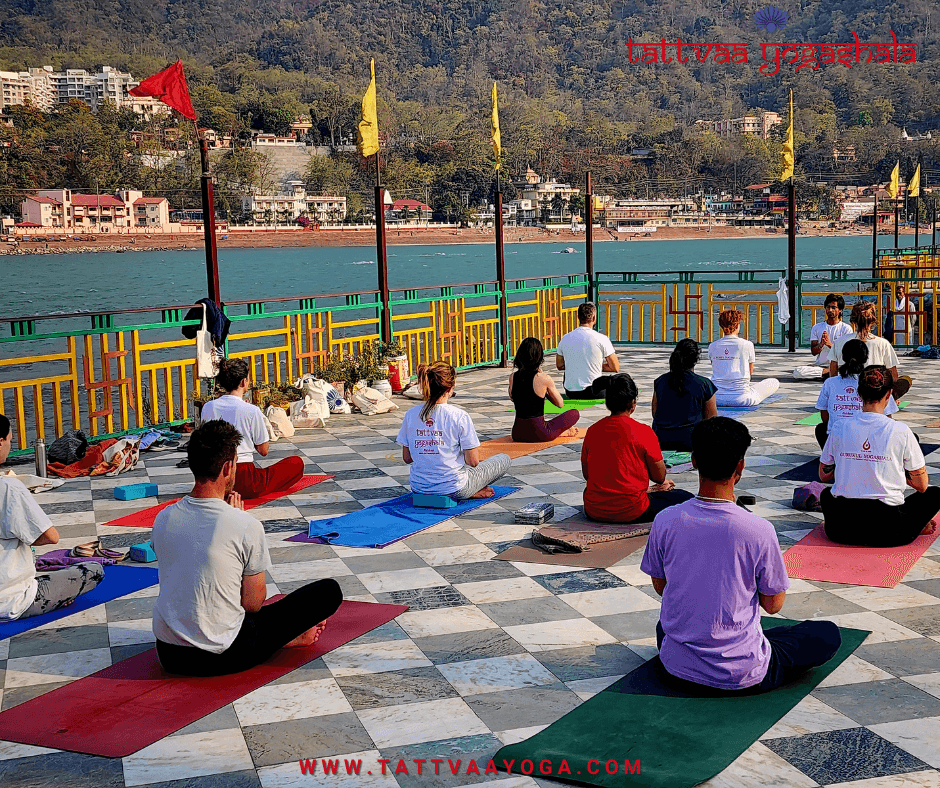
Swarg Ashram, Uttarakhand
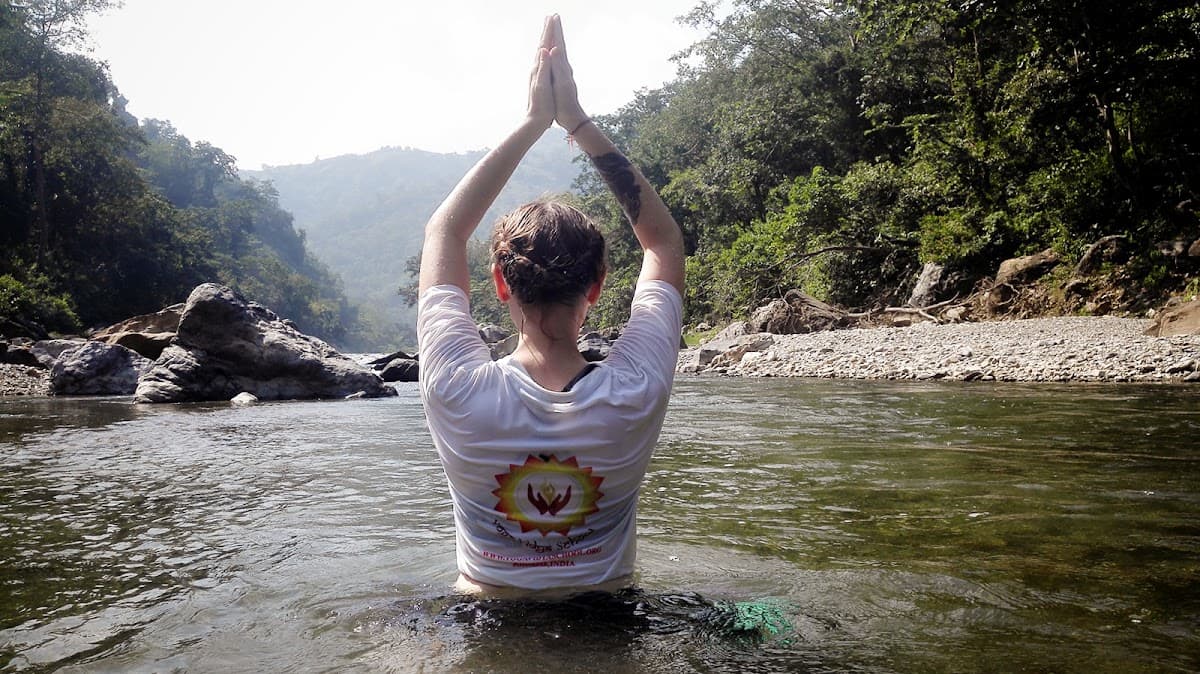
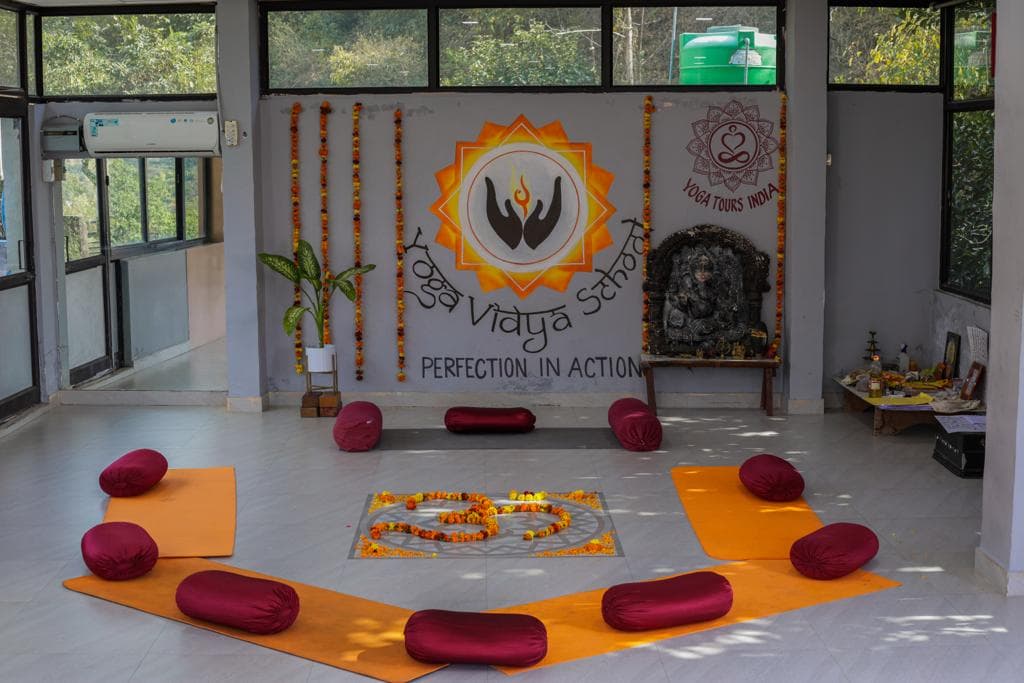
Swarg Ashram, Uttarakhand
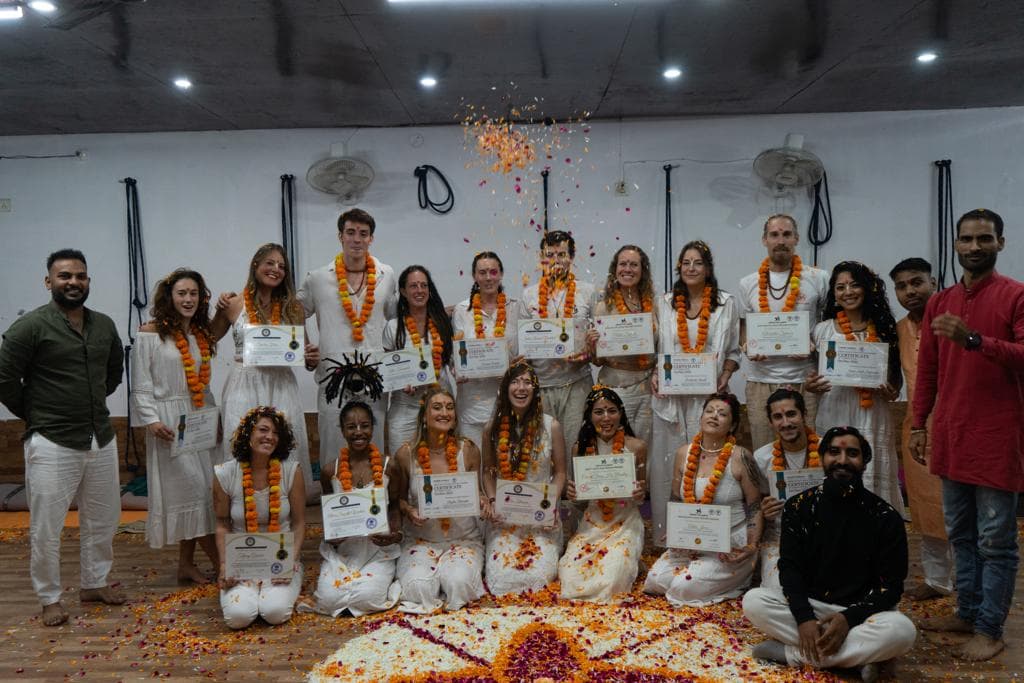
Laxman Jhula, Uttarakhand
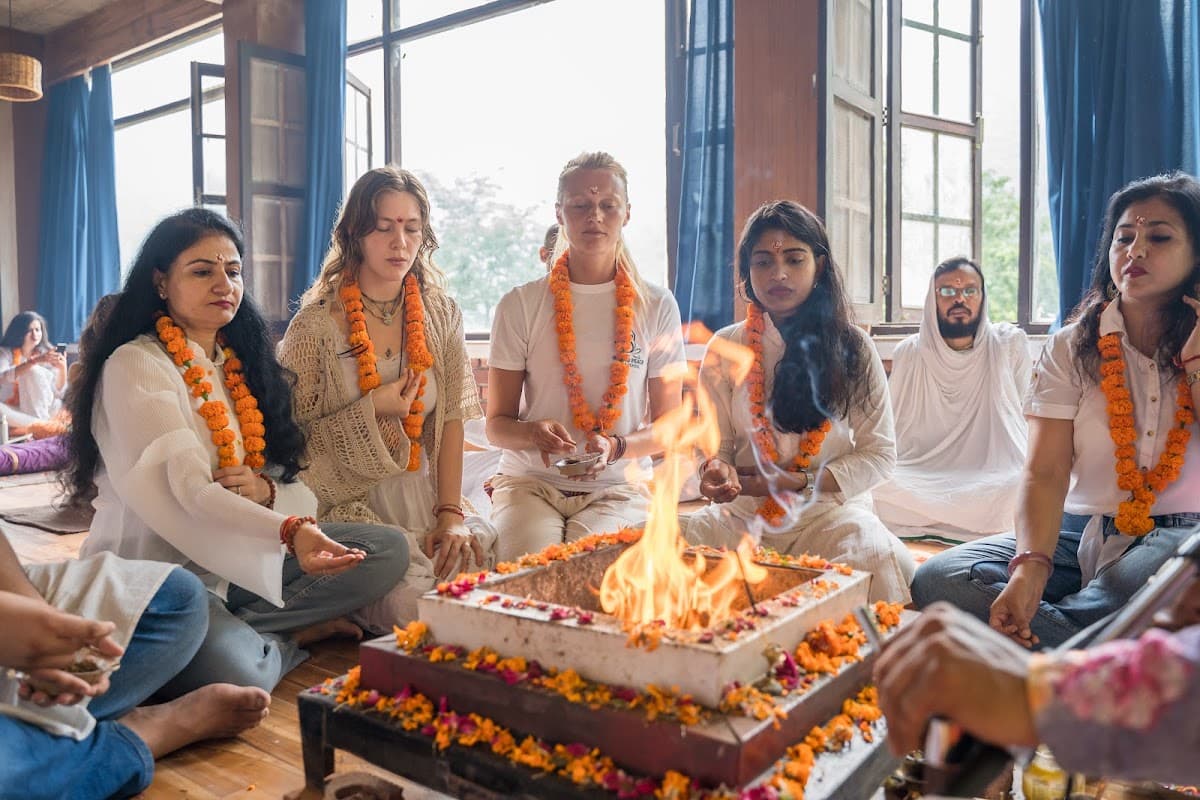
Laxman Jhula, Uttarakhand
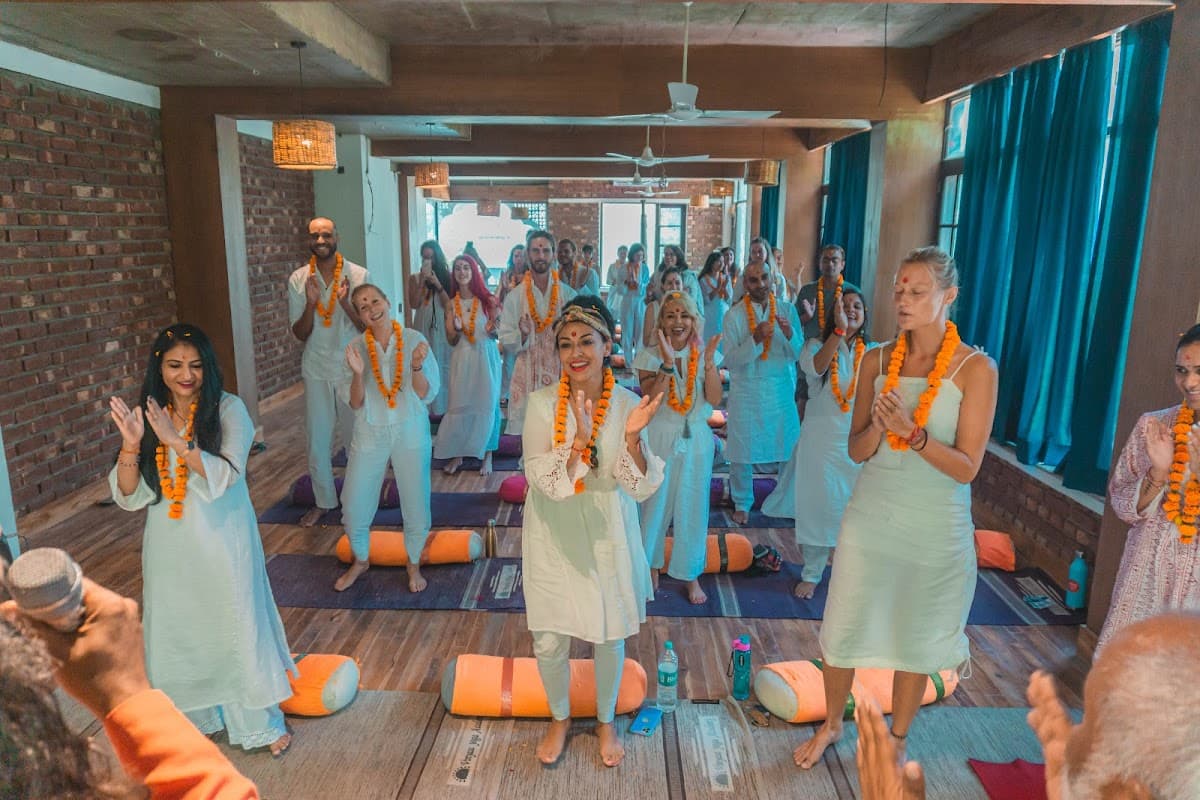
Laxman Jhula, Uttarakhand
Breathwork is one of the most quietly powerful practices in the wellness world — and those who discover it rarely look back. At its core, breathwork refers to any intentional manipulation of the breath to influence the body, mind, and spirit. Whether used as a standalone healing modality or woven into a yoga or meditation practice, it draws people in with a deceptively simple premise: that the way we breathe shapes the way we feel, think, and live. Students are often astonished to find that something as ordinary as an inhale and exhale can unlock deep emotional releases, dissolve chronic tension, and produce states of clarity and calm that feel genuinely transformative.
The roots of breathwork stretch back thousands of years to the ancient Indian practice of pranayama, a foundational pillar of classical yoga philosophy described in texts like the Yoga Sutras of Patanjali and the Hatha Yoga Pradipika. In the twentieth century, Western pioneers brought breathwork into a new light. Stanislav Grof and his wife Christina Grof developed Holotropic Breathwork in the 1970s as a tool for deep psychological healing, using accelerated breathing patterns to access non-ordinary states of consciousness. Around the same time, Leonard Orr introduced Rebirthing Breathwork, focusing on the breath as a means of resolving early-life trauma. More recently, Wim Hof — the Dutch athlete known as "The Iceman" — popularised a dynamic breathing method tied to cold exposure and extraordinary feats of physical endurance, bringing breathwork to a global mainstream audience. Each lineage approaches the breath differently, yet all share a belief in its profound capacity to restore and renew.
A typical breathwork session may involve guided rhythmic breathing exercises, extended breath holds, alternate nostril techniques, or deeper cyclical patterns depending on the style practiced. Sessions can range from a gentle twenty-minute wind-down to an immersive ninety-minute journey accompanied by music and facilitated emotional processing. Physically, regular practice has been linked to reduced cortisol levels, improved lung capacity, better sleep, and a more regulated nervous system. Mentally, practitioners often report relief from anxiety, greater emotional resilience, and an enhanced sense of presence. Breathwork is beautifully accessible — it requires no special equipment, no prior fitness level, and no particular spiritual background — making it well suited to beginners, seasoned yogis, athletes, and anyone navigating stress or seeking deeper self-awareness. For anyone ready to come home to themselves, the breath is always the perfect place to begin.