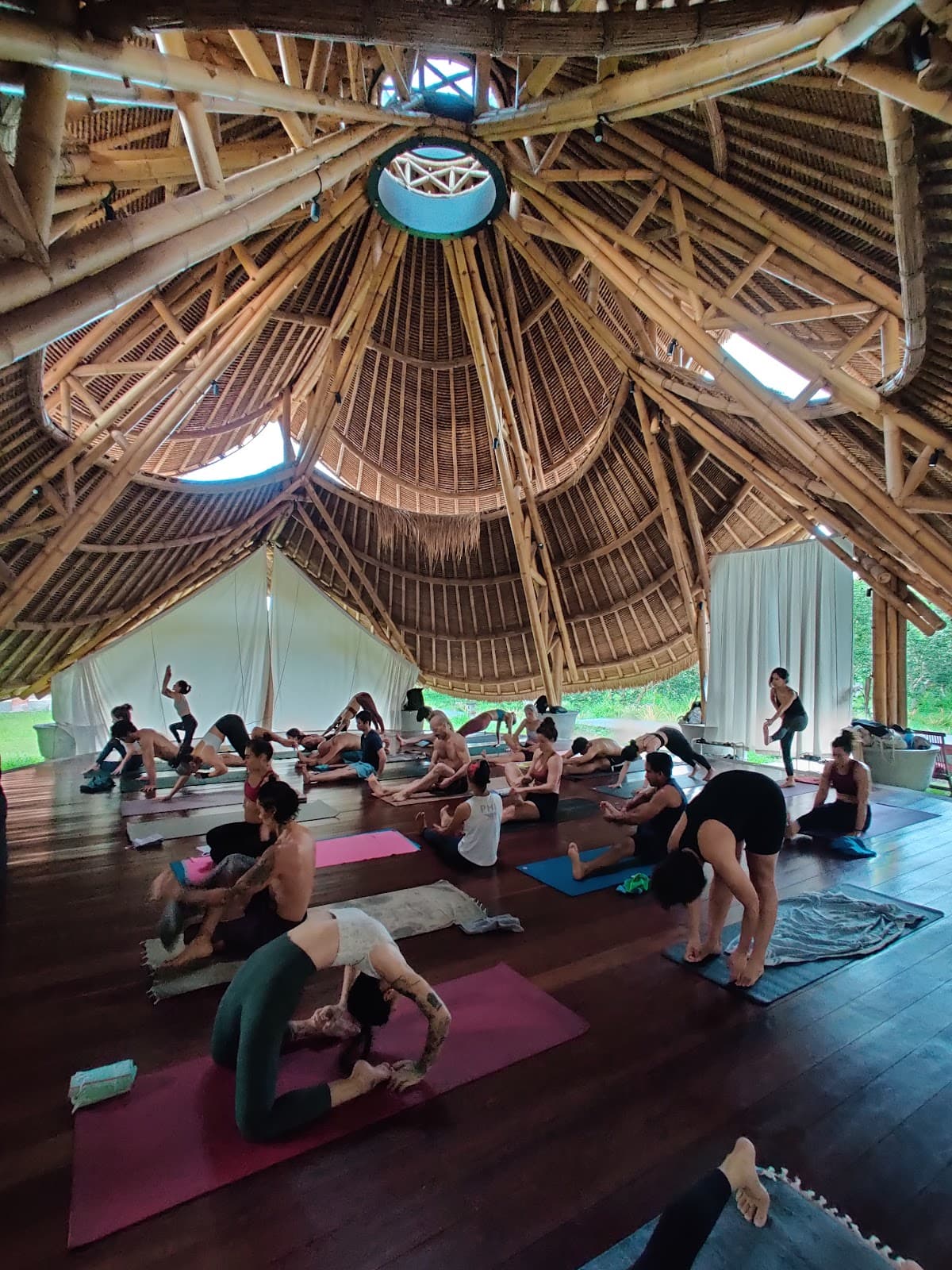
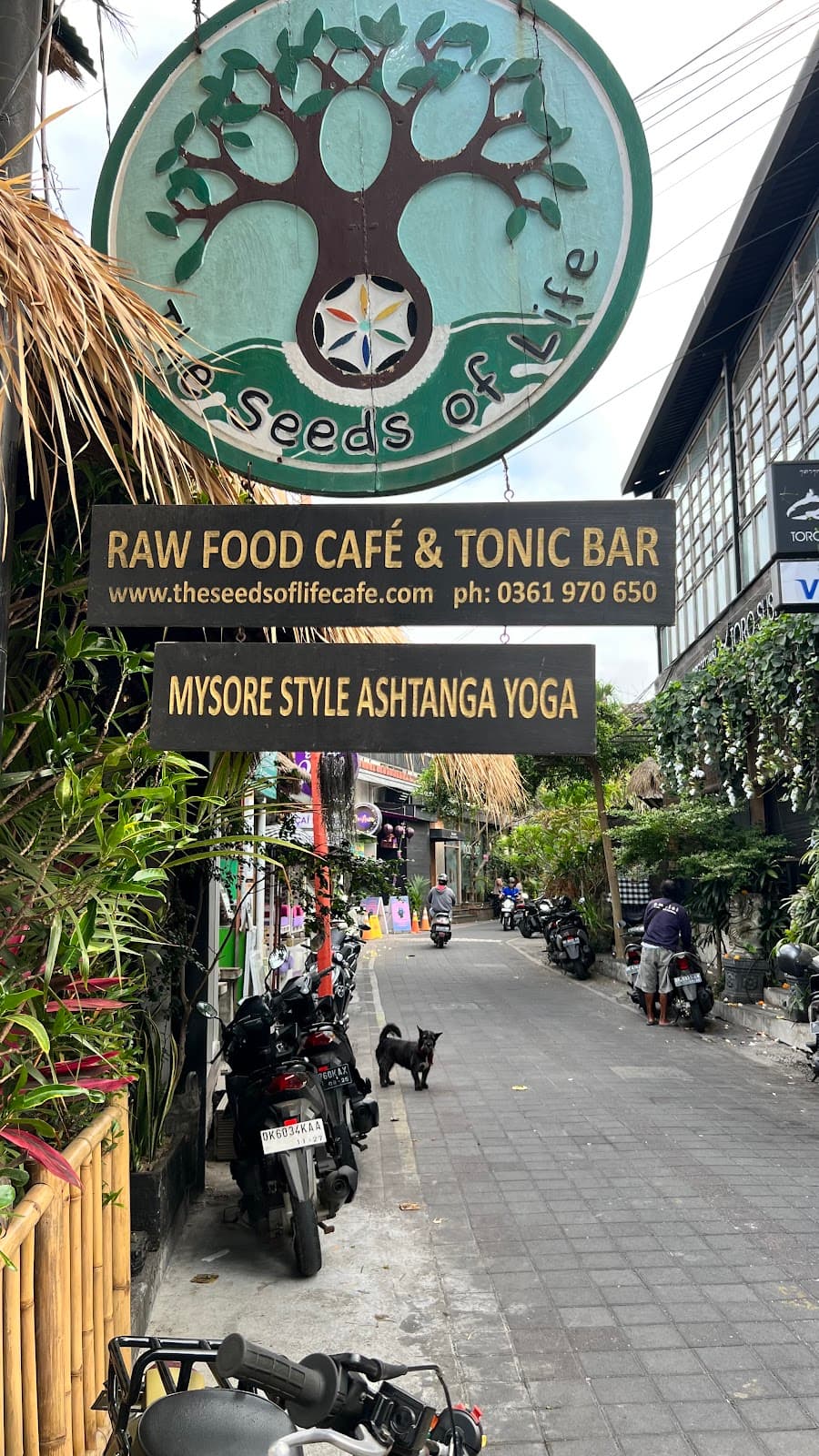
Spacious Yoga - Mysore Style Ashtanga
Bali
Meditationphilosophyintensive
FindYoga lists 40 ashram studios and class providers in Ubud and within 10km. Browse timetables, compare styles and find the right ashram session for your level — whether you're stepping on the mat for the first time or deepening an established practice.
Bali

Bali

Bali

Bali


Bali

Bali
Bali
Bali

Bali

Bali


Bali

Bali
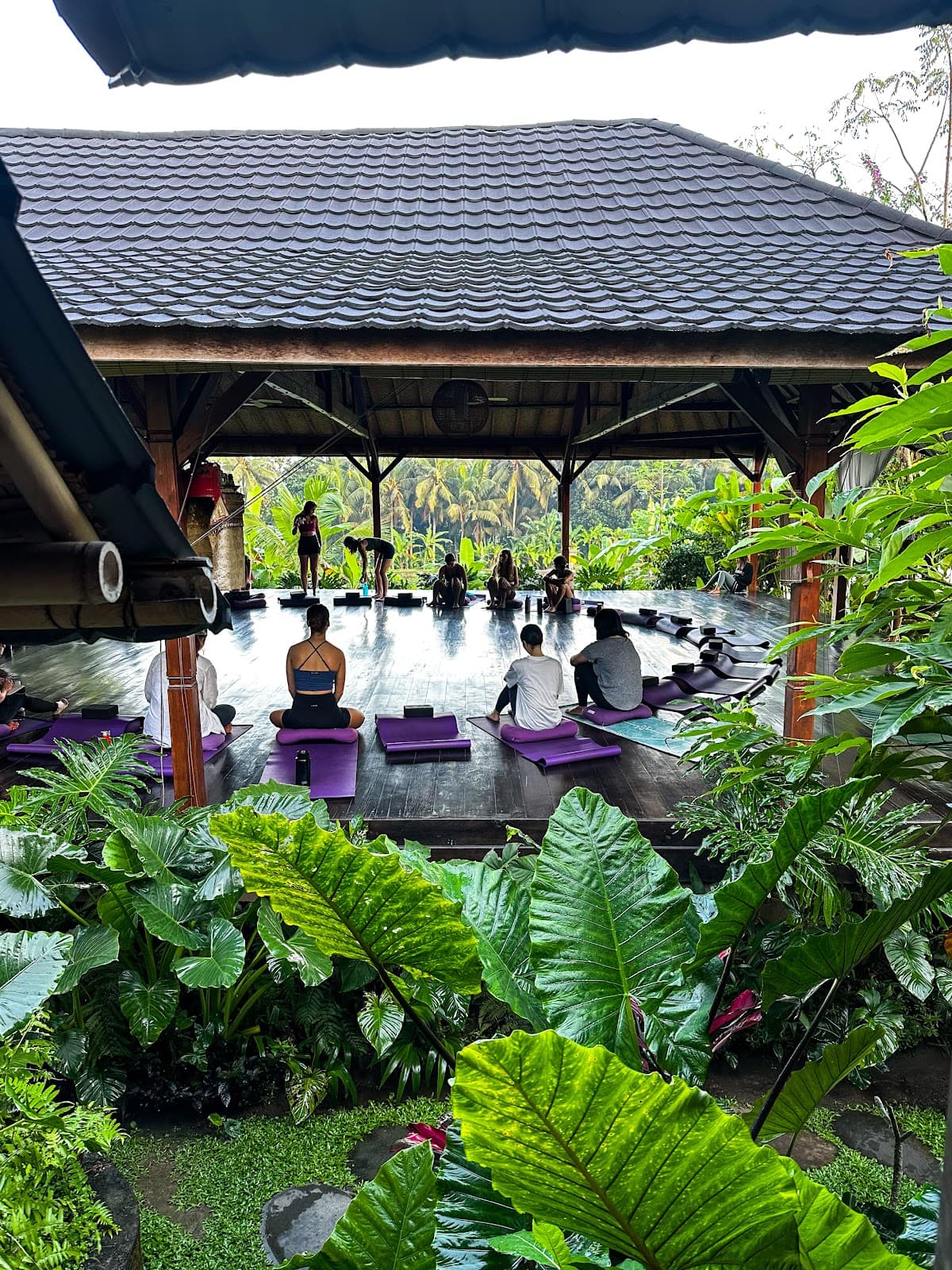
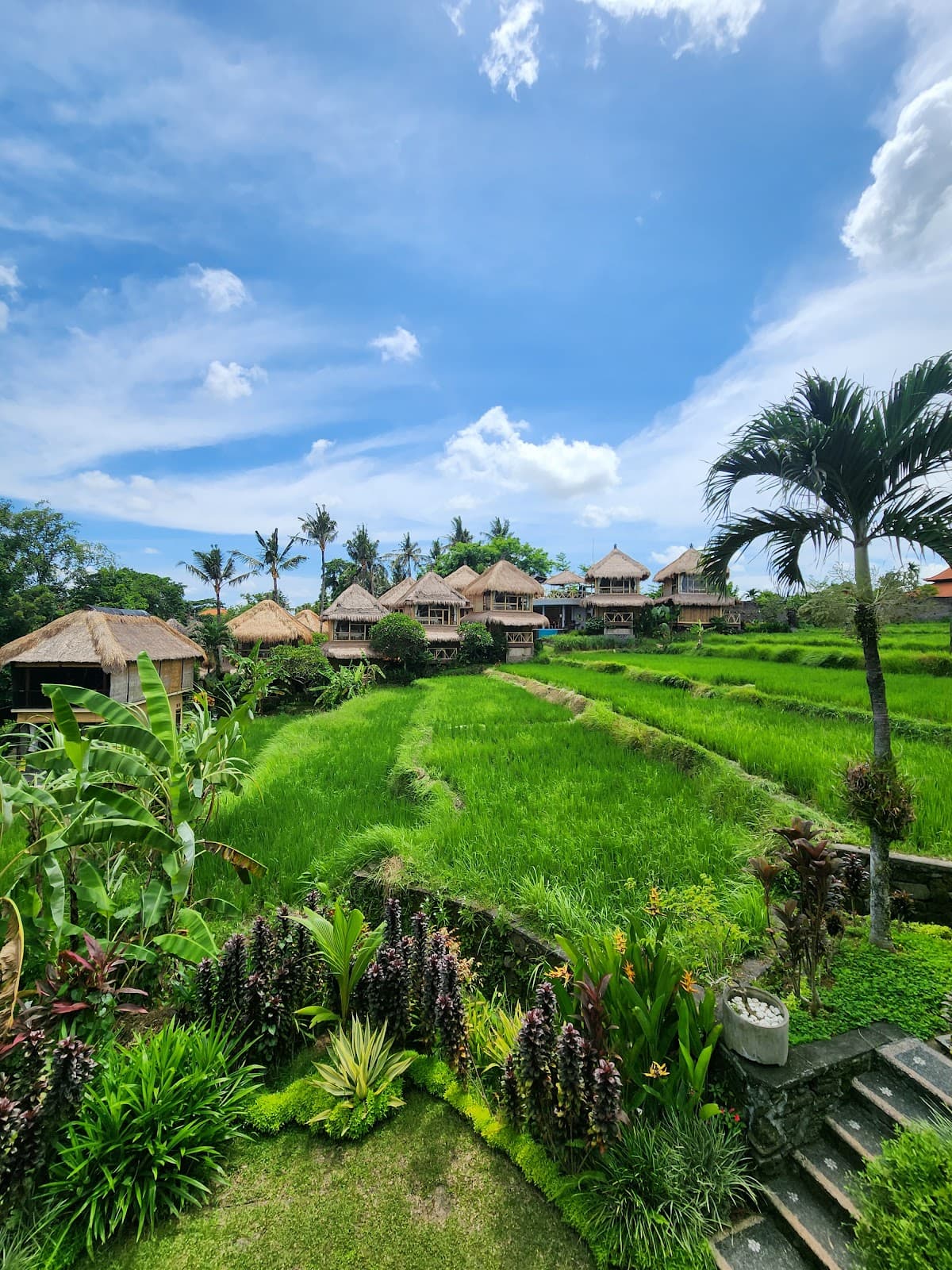
Airy rooms in a tranquil hotel offering an outdoor pool, a yoga studio & a spa, plus free breakfast.


Bali


Bali
Serene retreat offering yoga classes, workshops, detoxes, a spa, cafe & relaxed accommodations.


Bali


Bali
Bali

Bali

Bali

Bali

Bali


Bali


Bali
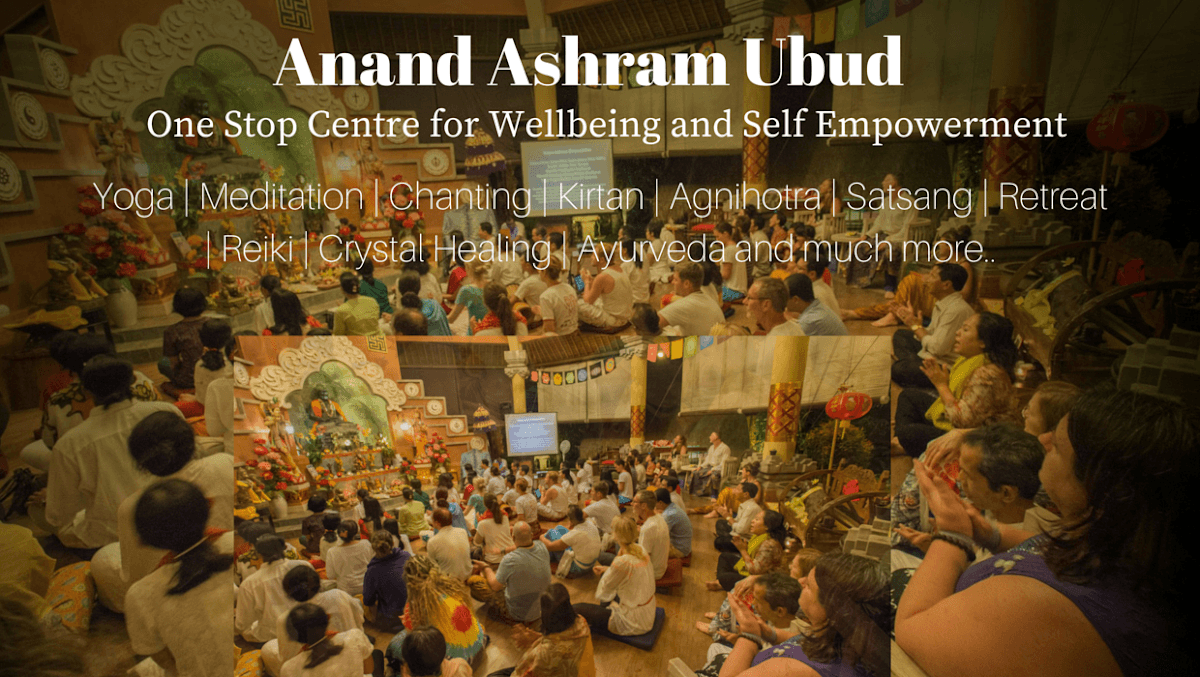

Bali
An ashram is more than a place to practice yoga — it is a way of life. Rooted in ancient Indian tradition, the word "ashram" comes from the Sanskrit "ashrama," meaning a place of spiritual effort or shelter from the busyness of the world. For centuries, seekers have traveled to ashrams to step outside the noise of ordinary life and immerse themselves fully in a practice that integrates yoga, meditation, self-inquiry, and communal living. What draws people to the ashram experience is precisely this totality. Rather than attending a single class and returning to daily routines unchanged, residents and visitors surrender to a structured, intentional rhythm that creates the conditions for genuine transformation. The appeal is timeless: slowing down, going inward, and reconnecting with something essential.
The ashram model has deep roots in the Vedic tradition of India, where students would live alongside a guru to receive direct transmission of spiritual teachings. Figures like Swami Sivananda, who founded the Divine Life Society in Rishikesh in 1936, and his disciple Swami Vishnudevananda, who later brought the ashram concept to the West, were instrumental in making this immersive format available to a global audience. Sri Aurobindo and The Mother established the famous Aurobindo Ashram in Pondicherry, further shaping how modern seekers understand communal spiritual life. These founding visionaries understood that yoga in its fullest sense could not be reduced to postures alone — it demanded a whole environment designed to support awakening. Today, ashrams exist across the world, each carrying forward this spirit of dedicated, holistic practice while adapting to contemporary needs.
A stay at an ashram typically involves a daily schedule that begins before sunrise with meditation or chanting, followed by asana practice, selfless service known as karma yoga, philosophical study, and group meals. The emphasis is less on physical performance and more on cultivating awareness, humility, and inner stillness. The physical benefits are significant — increased flexibility, improved sleep, and a calmer nervous system are commonly reported — but most visitors find it is the mental and emotional shifts that linger longest. Ashrams are particularly well suited for those feeling burned out, spiritually curious, or ready to deepen a practice that has already taken root. They welcome beginners with sincere hearts just as readily as seasoned practitioners. For anyone craving a reset that goes beyond the surface, the ashram offers something rare: the time, the space, and the community to truly come home to oneself.