

Acroyoga y Yoga Barcelona
Gràcia, Catalunya
PrenatalAcro YogaMeditation
Partner yoga is the practice of moving through yoga postures with another person, weaving together breath, balance, and mutual support to create an experience neither practitioner could achieve alone. Where solo yoga is an inward journey, partner yoga opens that journey outward — inviting trust, playful curiosity, and a profound sense of connection into every pose. Practitioners love it because it strips away self-consciousness, replaces it with laughter and presence, and consistently produces those rare moments where two people feel genuinely, wordlessly in sync. Whether two friends are gently counterbalancing in a seated twist or one partner is flying above the other in an acrobatic lift, the shared effort has a way of dissolving barriers that words never quite manage to reach.
Gràcia, Catalunya


Bali

England


Queens, New York

73 Stuart Street, Mullumbimby, New South Wales
Rainbow Yoga is one of the most well-known and loved international yoga teacher trainings! We offer a whole range of fun and interactive teacher trainings for Kids and Family Yoga as well as Partner Yoga. We also offer our yearly 200/300 Hr residential teacher training is a unique journey for those interested in specialising in yoga for all ages.
Ashgrove, Queensland
 WORKSHOP
CONNECT is a playful, three-hour couples experience in Midtown Manhattan designed to help partners u...
Manhattan, NY
 WORKSHOP
Join Gisele for a welcoming, playful introduction to AcroYoga in South Yarra on Friday, 15 May. This...
South Yarra, VIC
 RETREAT
Escape to Menorca for a transformative 4-day yoga retreat (May 22-25, 2026) featuring yoga, meditati...
Menorca, Menorca
 CLASS
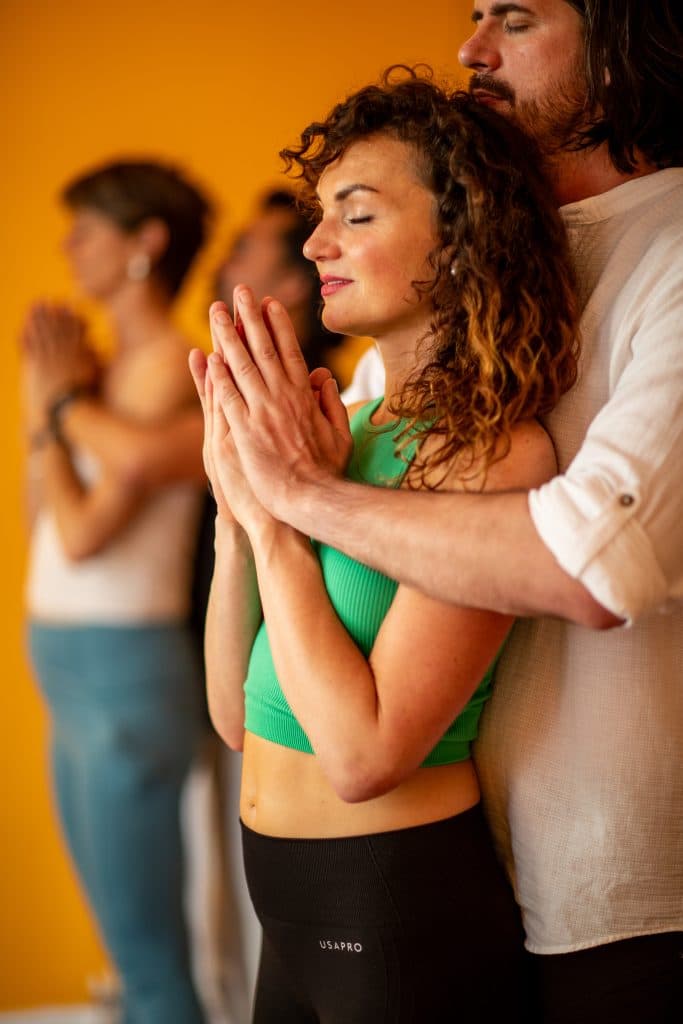
CLASSEnd May with candlelight couples yoga on 29 May in London, an intimate two-hour practice to deepen c...
London
 TRAINING
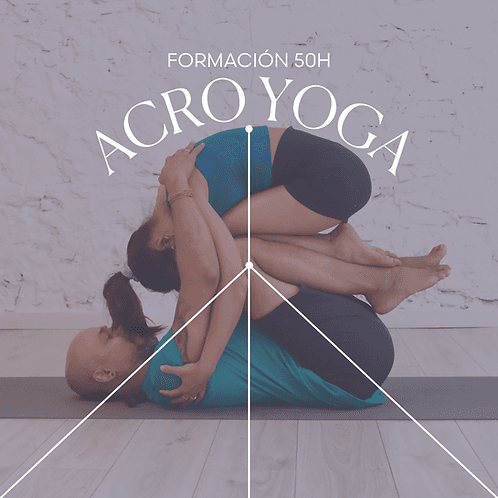
A 50-hour intensive AcroYoga training in Barcelona (June 5-7 and 19-20, led by renowned teachers Dav...
Barcelona, Barcelona
 RETREAT
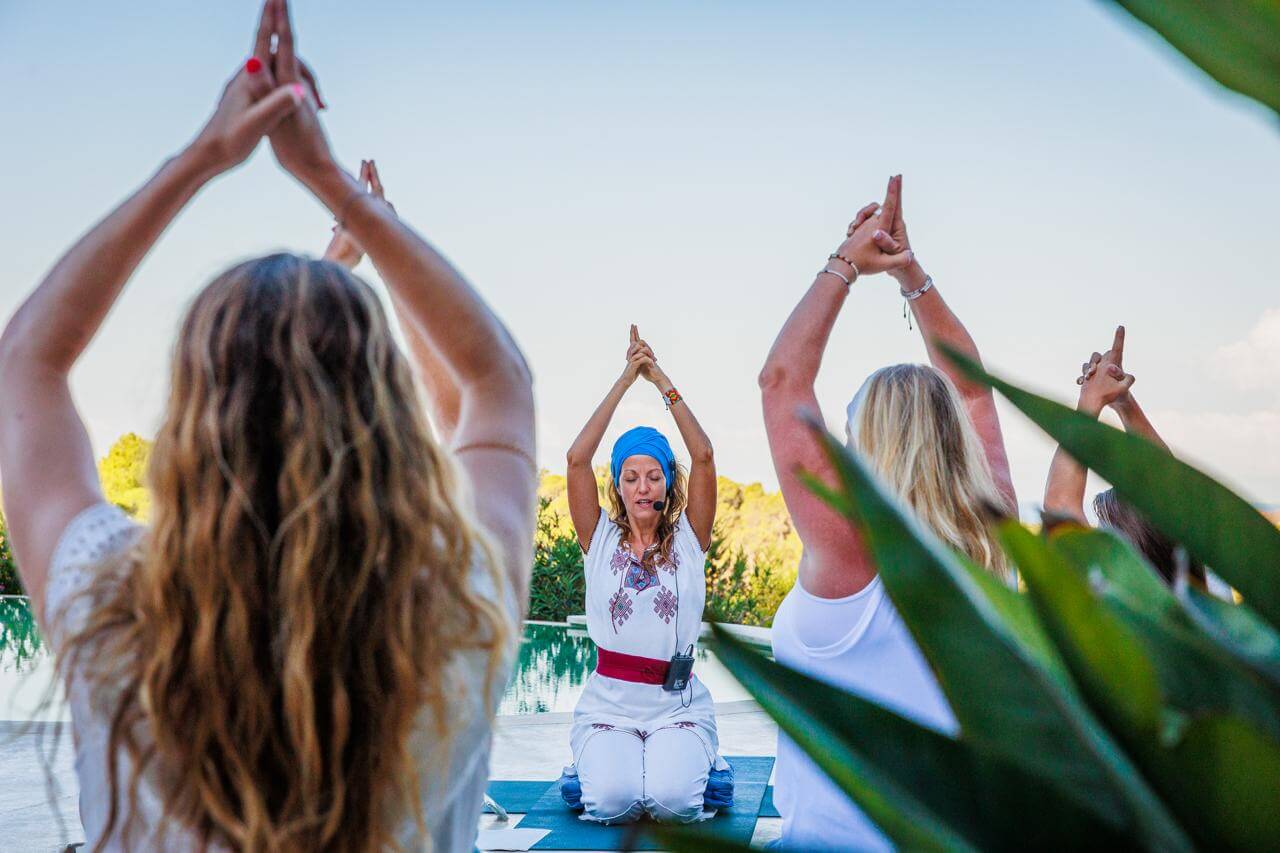
Join a transformational six-night retreat in Ibiza (November 9-15, 2026) designed for those seeking ...
Ibiza, Balearic Islands