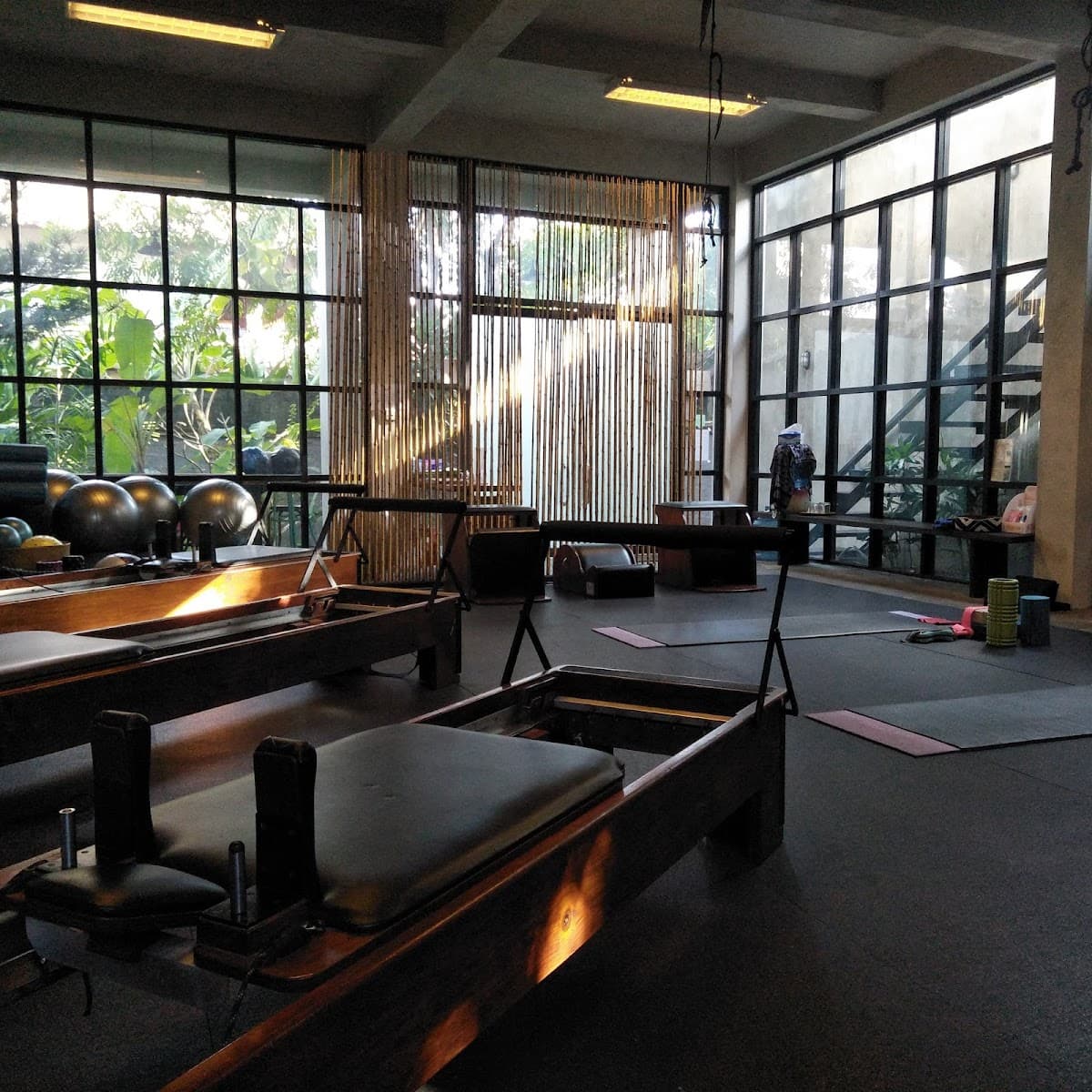

Studio Pilates Bali | The Art Of Body
Bali
healingalignmentpilates
3 studios offering myofascial release found near Ubud
FindYoga lists 3 myofascial release studios and class providers in Ubud. Browse timetables, compare styles and find the right myofascial release session for your level — whether you're stepping on the mat for the first time or deepening an established practice.
Bali
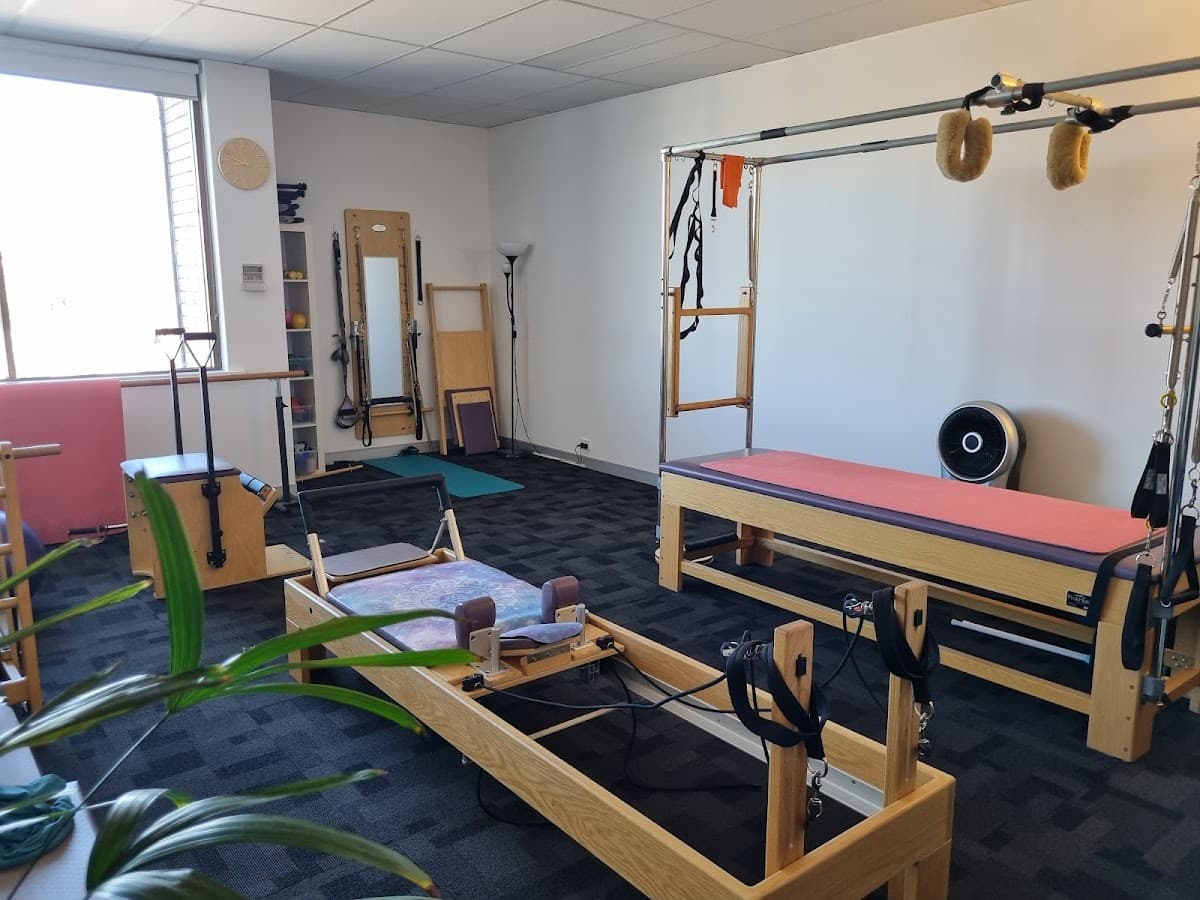

Melville, Western Australia


South Fremantle, Western Australia
Myofascial release is a hands-on therapeutic technique that targets the fascia — the intricate web of connective tissue that surrounds and supports every muscle, bone, nerve, and organ in the body. When fascia becomes tight, restricted, or inflamed due to injury, stress, repetitive movement, or poor posture, it can create a cascade of discomfort that ordinary stretching simply cannot reach. That is precisely why so many people find myofascial release to be a revelation. It works slowly, deliberately, and deeply, meeting the body where it is rather than forcing it where we think it should be. Practitioners and clients alike describe a profound sense of release — not just physical, but emotional — as long-held tension finally begins to unwind.
The modern understanding of myofascial release owes much to the pioneering work of physical therapist John F. Barnes, who began developing and refining his approach in the 1960s and has spent decades training thousands of therapists worldwide. Barnes drew on osteopathic principles and his own clinical observations to argue that sustained, gentle pressure applied to restricted fascial tissue — held for ninety seconds or longer — allows the body's natural healing mechanisms to engage in ways that brief or forceful manipulation cannot. His work brought fascia from the margins of bodywork into the mainstream conversation, and today myofascial release sits comfortably alongside yoga, massage, and other somatic practices as a respected tool for whole-body wellness. A typical session involves a trained practitioner applying slow, sustained pressure to areas of restriction, guiding the tissue through its natural release rather than overriding it. Sessions are generally quiet and meditative in quality, encouraging the client to breathe, notice sensations, and surrender to the process.
The benefits of myofascial release extend well beyond simple pain relief. Regular practice has been shown to improve flexibility and range of motion, reduce chronic tension headaches, ease the discomfort of conditions like fibromyalgia and temporomandibular dysfunction, and support recovery from athletic training or injury. Many clients also report a meaningful reduction in stress and anxiety, as the nervous system responds to gentle, sustained touch with a deep parasympathetic calm. Myofascial release is particularly well suited for those dealing with chronic pain, recovering from surgery or trauma, navigating postural imbalances, or simply feeling stuck in their bodies despite an otherwise consistent movement practice. It is equally valuable for seasoned athletes and complete beginners, for the deeply stressed and the mildly curious. Anyone willing to slow down, tune inward, and trust the intelligence of their own body is already a perfect candidate for this quietly transformative work.