

Happy Puppy Yoga Bali - Ubud
Bali
gentleMeditationasana
FindYoga lists 17 outdoor studios and class providers in Ubud. Browse timetables, compare styles and find the right outdoor session for your level — whether you're stepping on the mat for the first time or deepening an established practice.
Bali
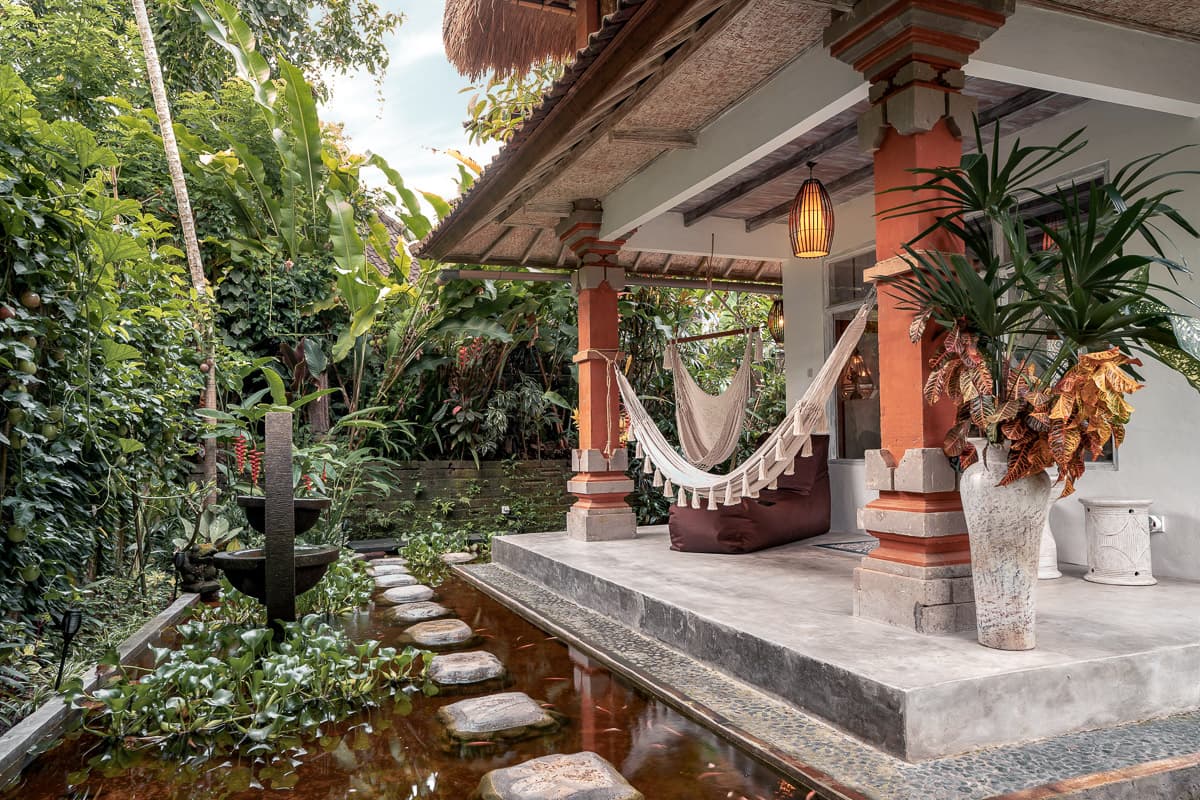
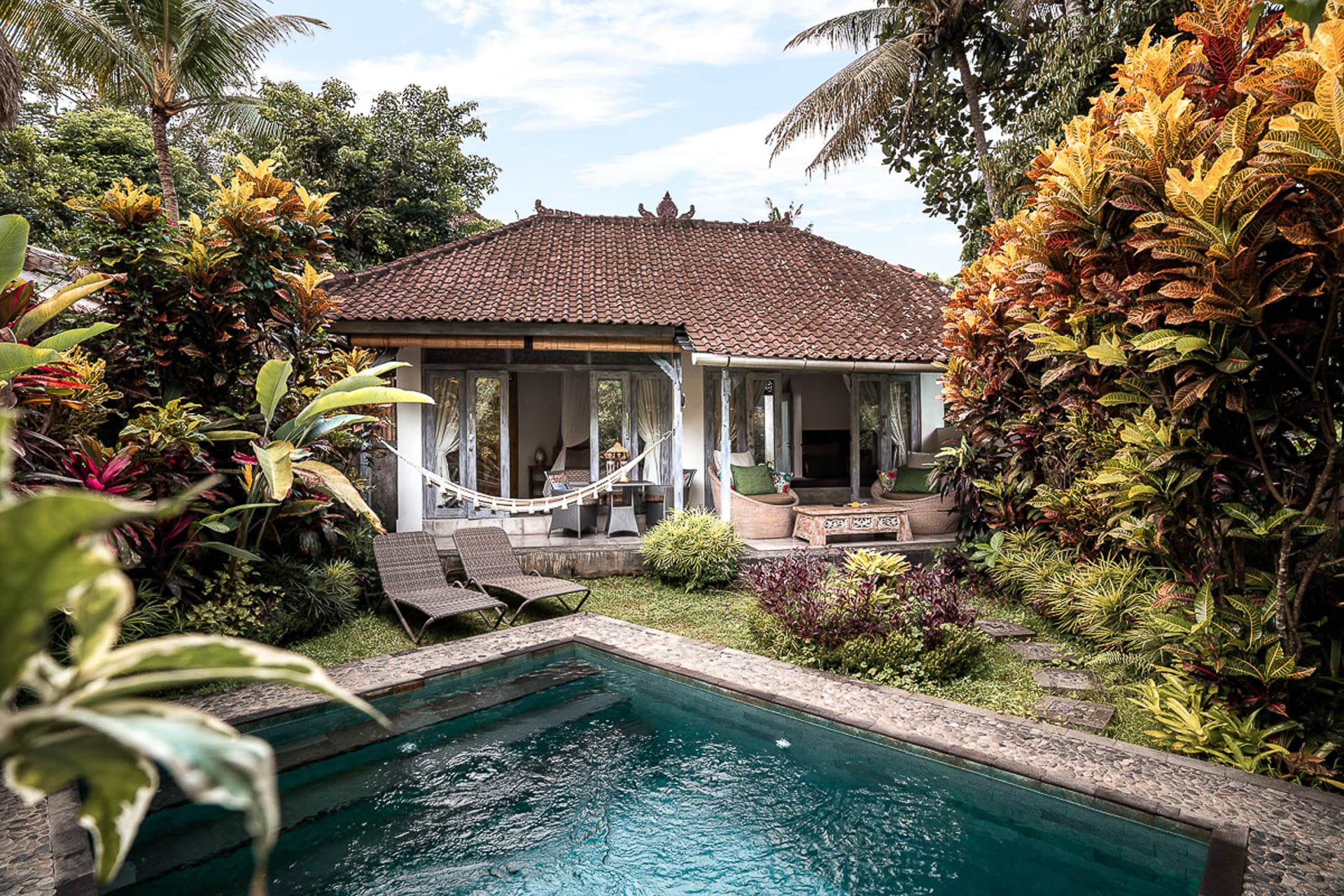
Bali
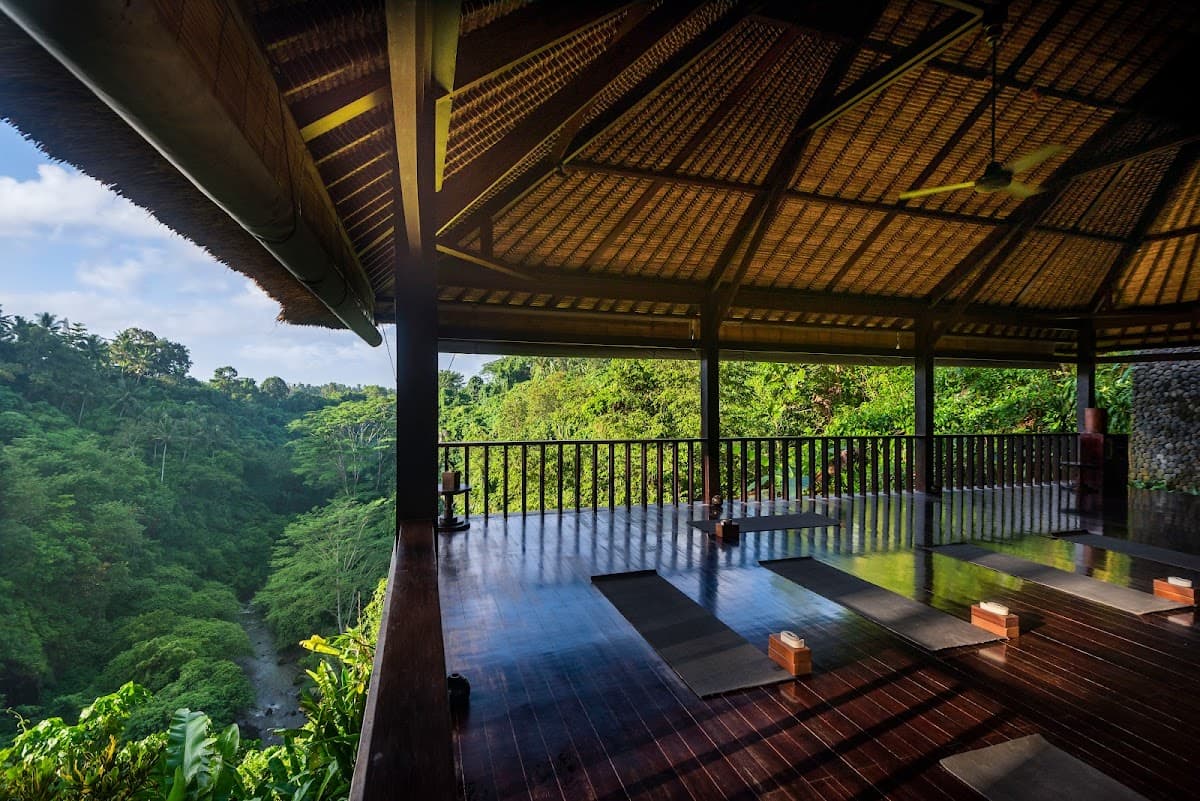

Bali
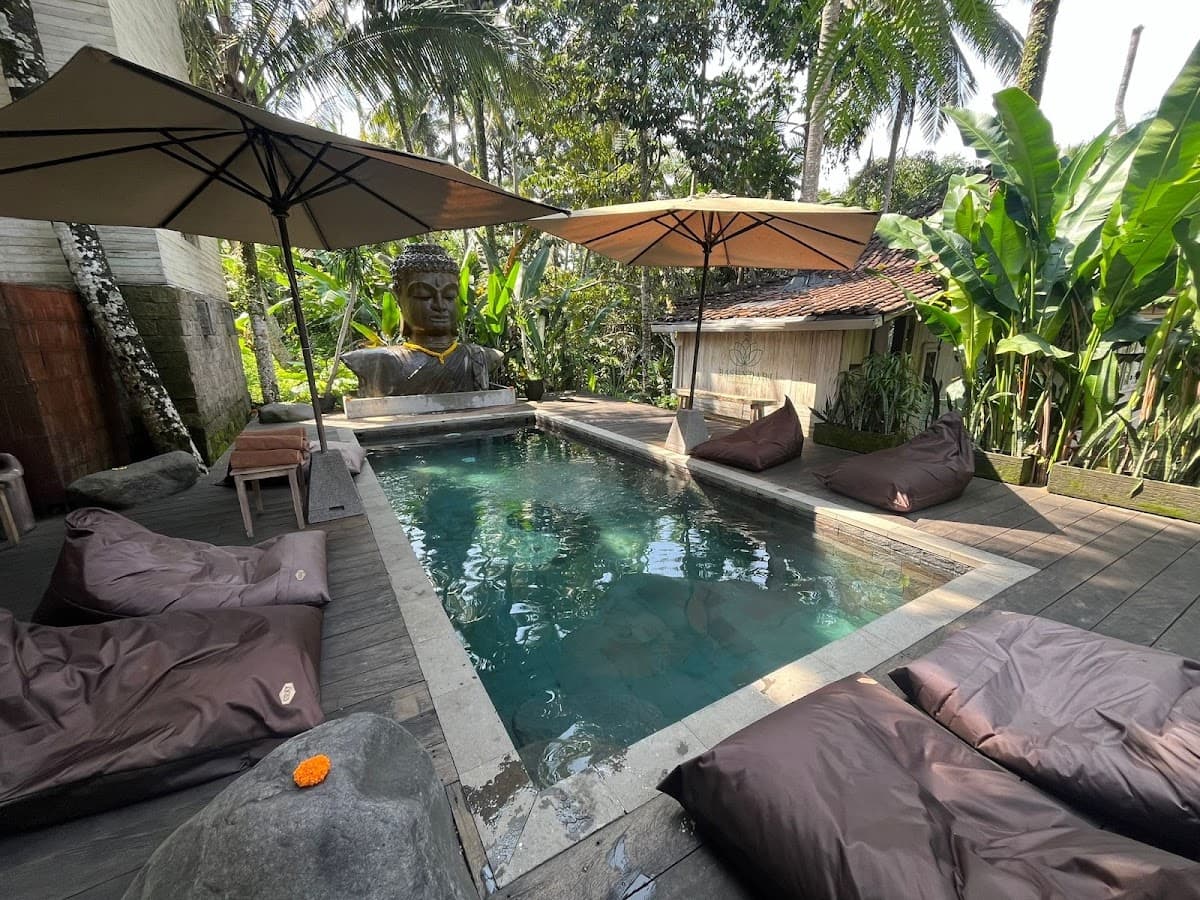

Bali

Bali
Bali

Bali

Bali
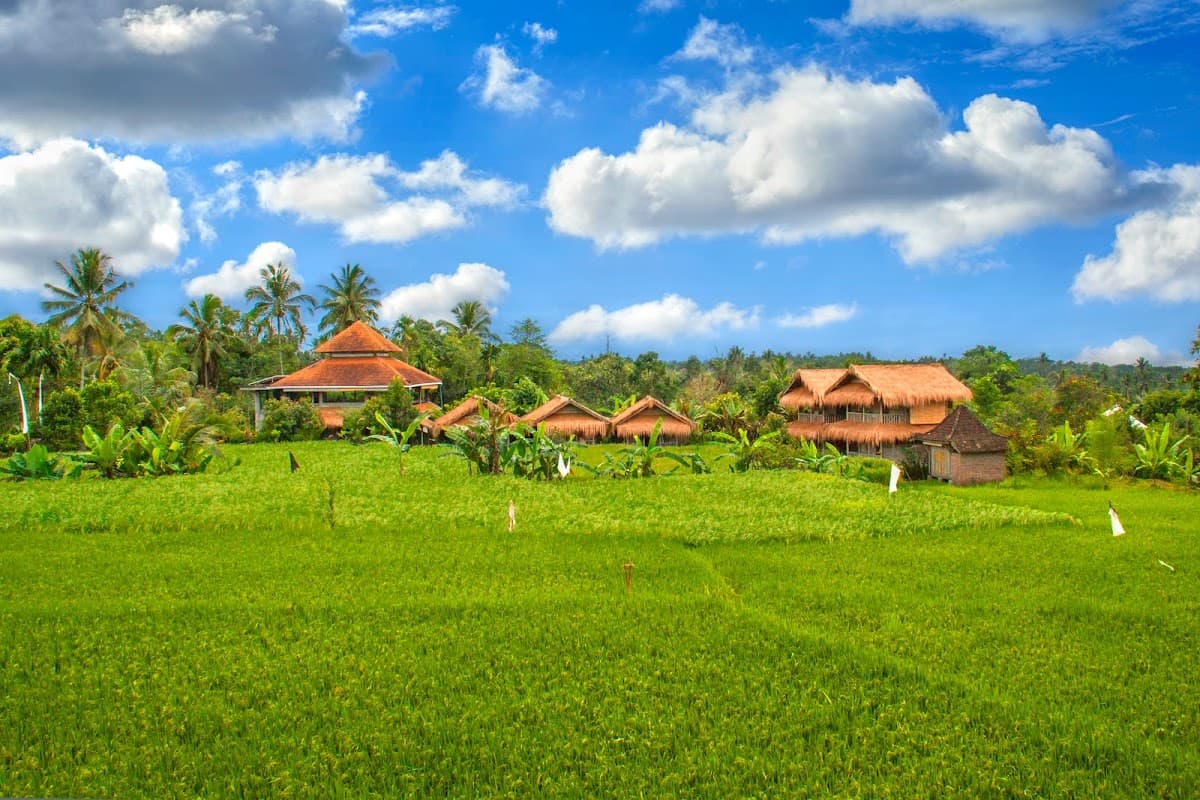
Modest bungalows at a rustic, yoga-themed resort featuring a no-talking policy & open-air dining.

Bali
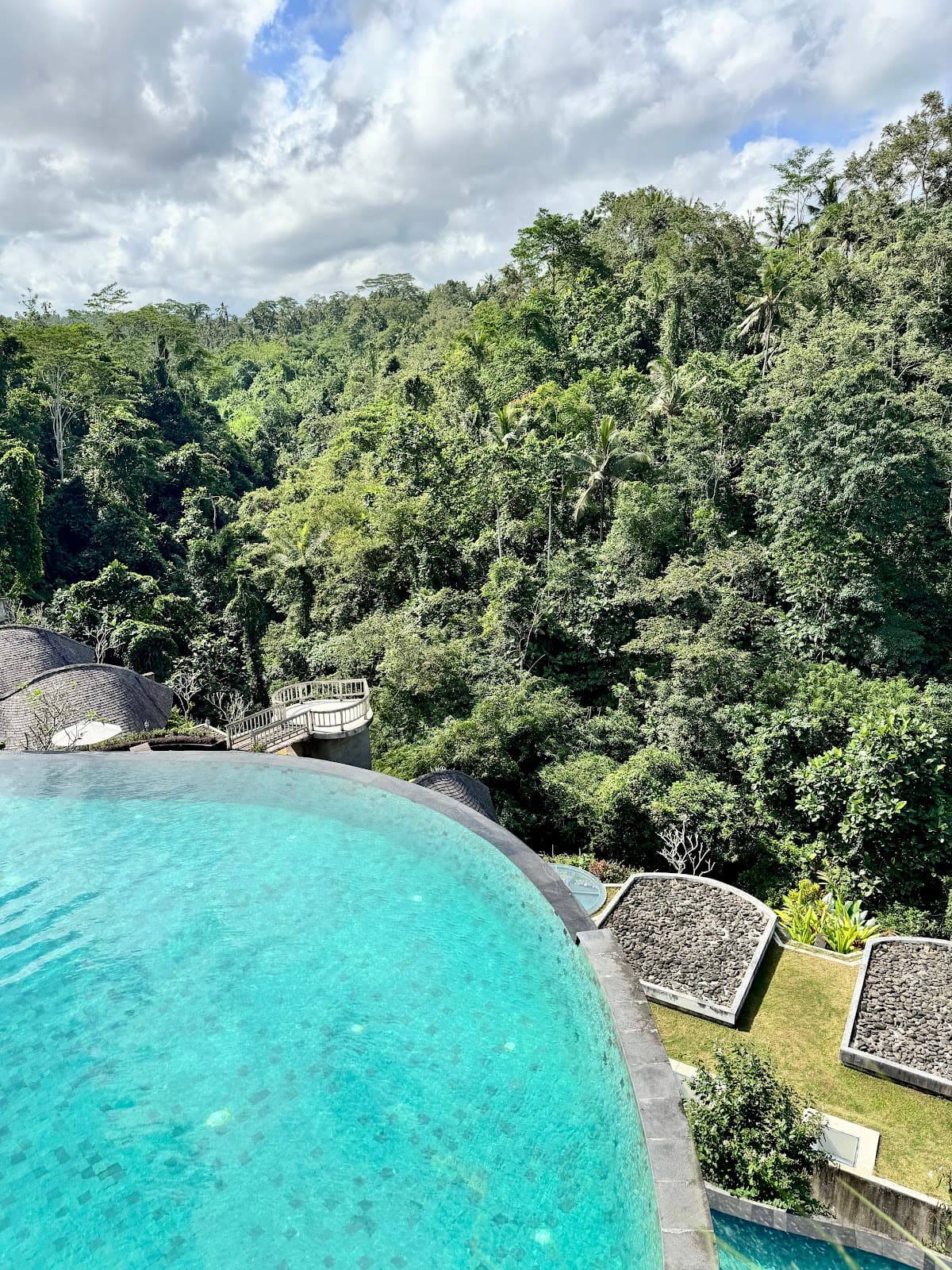
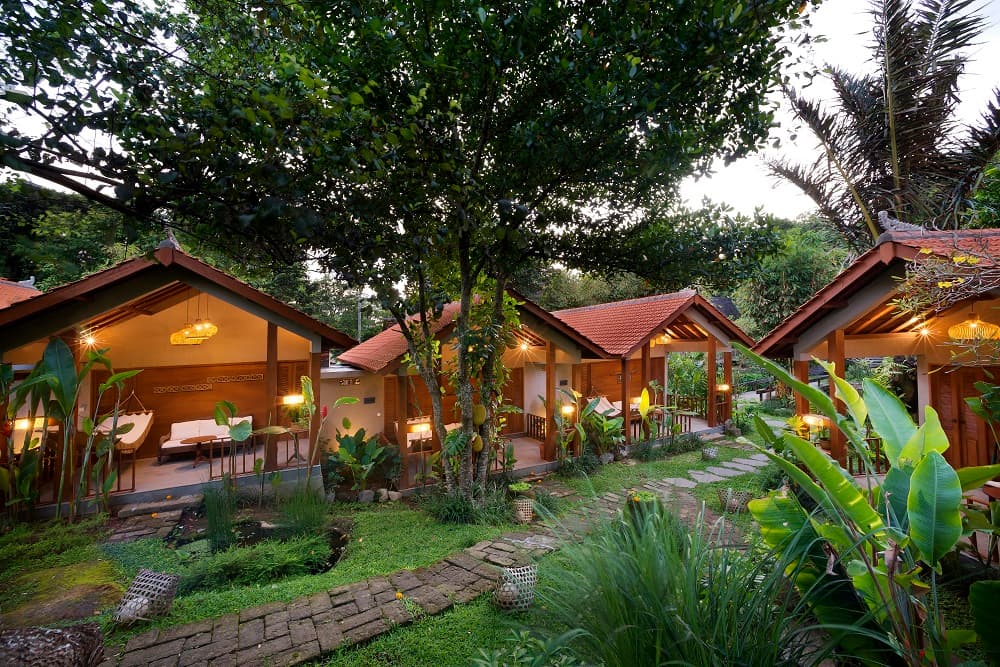
Upmarket resort offering a spa & 2 outdoor pools, plus free breakfast, Wi-Fi, drinks & yoga classes.

Bali


Bali

Bali


Bali

Bali
Bali


Bali
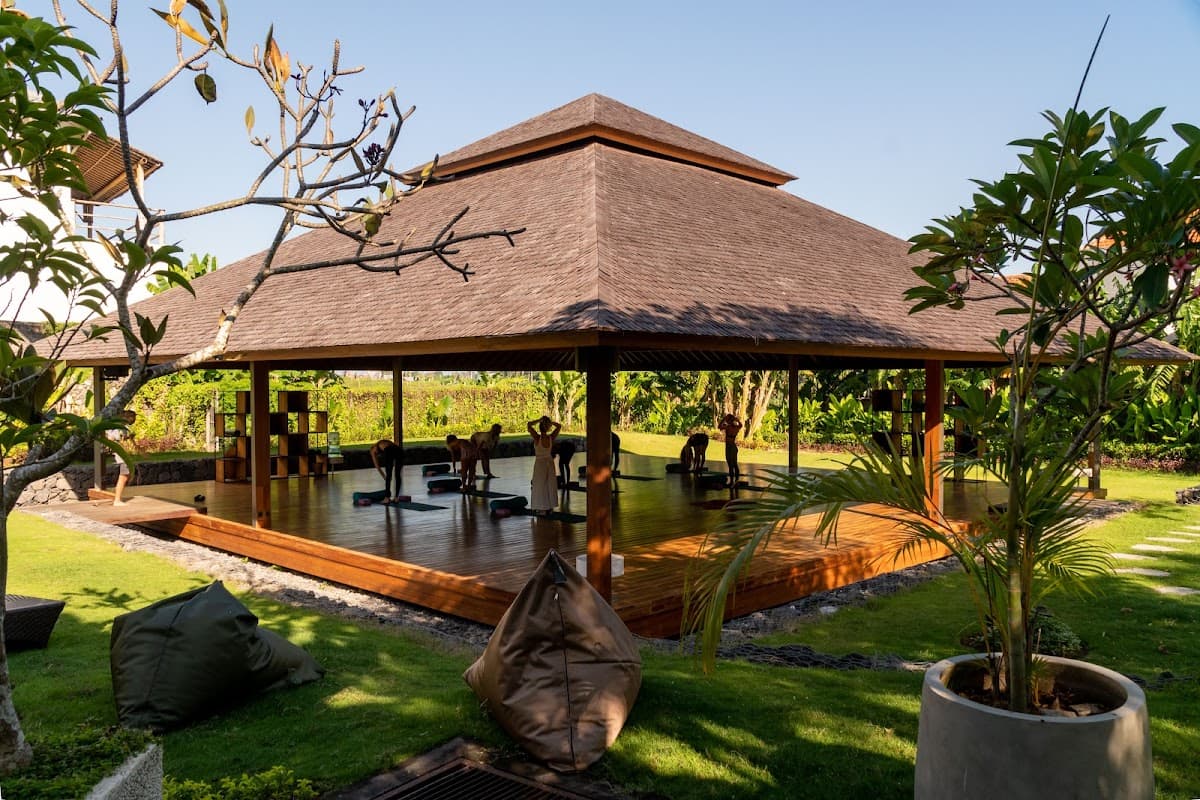
Low-key quarters in a laid-back resort offering a spa & breakfast, plus yoga & surfing classes.

Bali
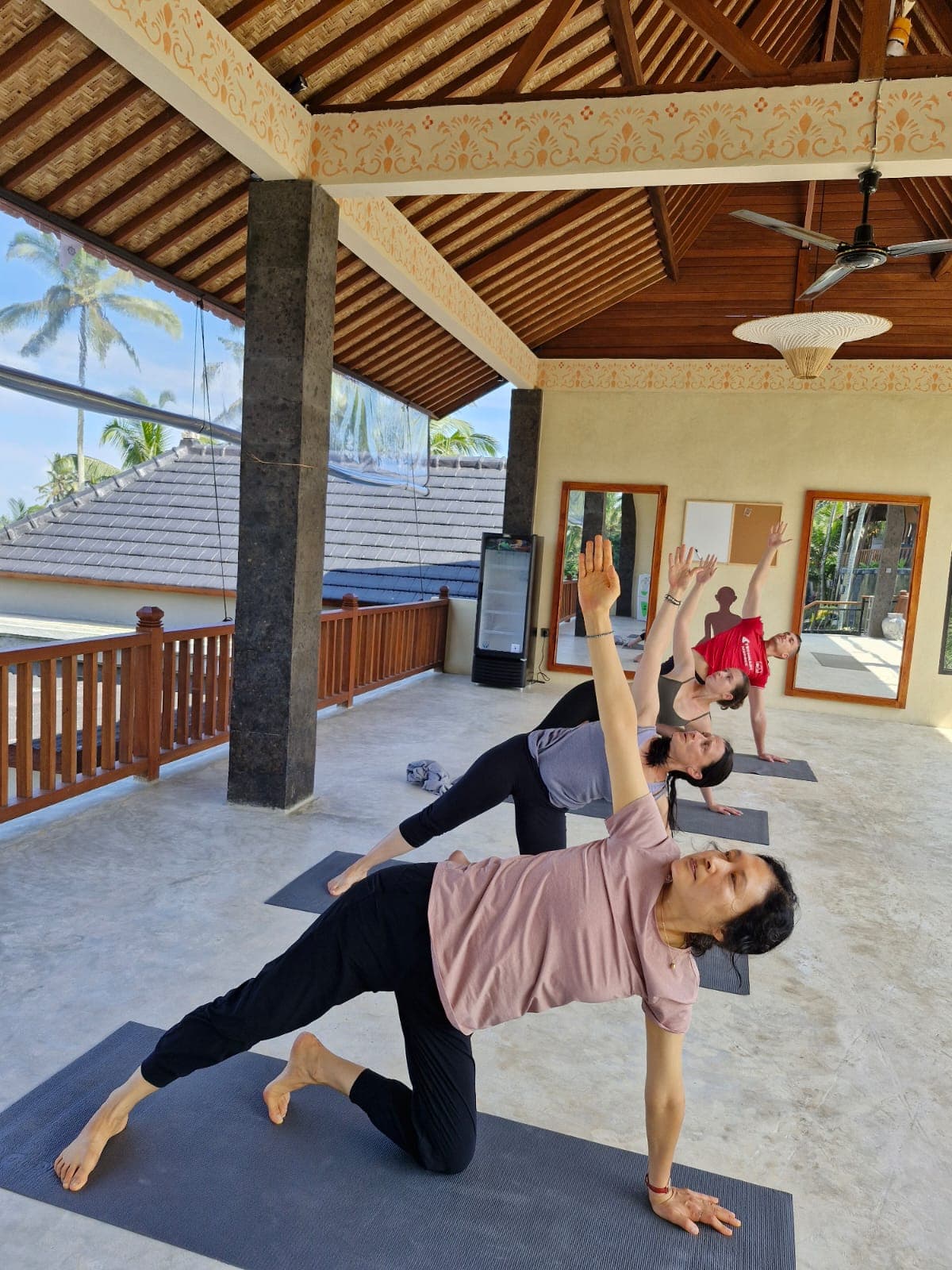
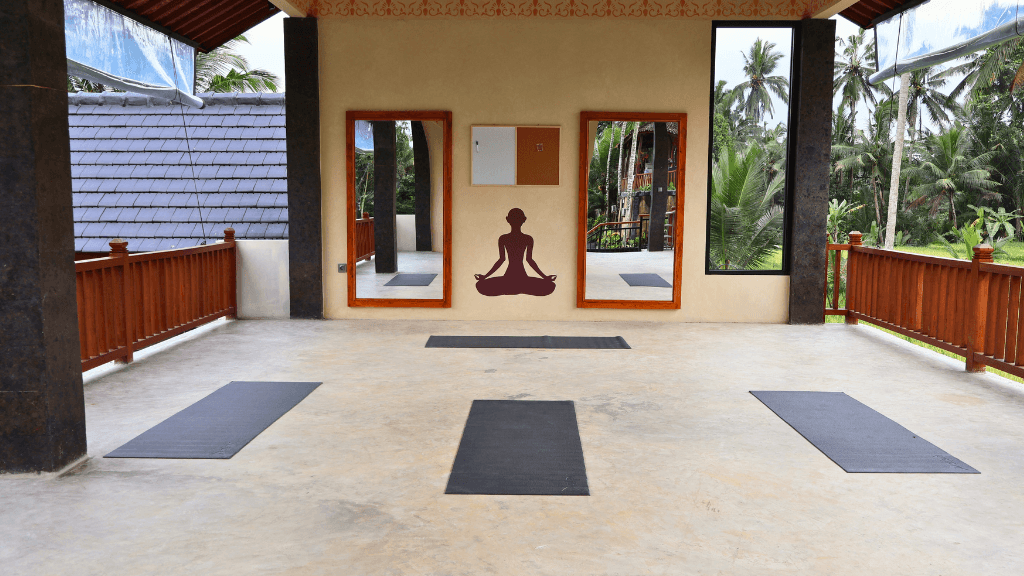
There is something quietly transformative about rolling out a yoga mat beneath an open sky. Outdoor yoga invites practitioners to trade the studio's four walls for the natural world — a sun-drenched park, a windswept beach, a shaded forest clearing, or a rooftop terrace overlooking the city. What draws people to it is not simply the change of scenery, but the way nature itself becomes part of the practice. The rustle of leaves, the warmth of sunlight on skin, the feel of grass or earth underfoot — these sensory details deepen presence and dissolve the mental noise of daily life in ways that even the most beautifully designed studio rarely can. Outdoor yoga is less a distinct style and more a living context, one that can hold any tradition — from flowing vinyasa to restorative yin — while adding a dimension of aliveness that is entirely its own.
The roots of yoga have always been outdoors. In ancient India, practitioners — including the sages and forest-dwelling ascetics whose teachings form the philosophical backbone of modern yoga — worked and meditated in nature as a matter of course, not novelty. The ashrams of influential teachers like Tirumalai Krishnamacharya, whose lineage shaped much of what the Western world knows as yoga, were often open-air environments where breath and movement were naturally synchronized with the rhythms of the surrounding world. The modern outdoor yoga movement gained particular momentum in the late twentieth century as yoga spread across Western cities and communities began organizing free classes in public parks. Today, outdoor yoga festivals, sunrise beach sessions, and forest bathing flows have become beloved fixtures in wellness culture around the globe.
A typical outdoor session unfolds much like its indoor counterpart, though the environment naturally encourages a more grounded, unhurried pace. Practitioners may begin with breathwork to settle into the space, move through a sequence of postures suited to the terrain and conditions, and close with a savasana that doubles as a genuine communion with the earth beneath them. The benefits are well documented — reduced cortisol levels, improved mood, greater focus, and enhanced respiratory function from fresh air — while the informal, often community-oriented atmosphere makes outdoor yoga especially welcoming for beginners who might feel intimidated by a studio setting. Seasoned practitioners, meanwhile, find that the unpredictability of wind, light, and ground surface sharpens body awareness and adaptability in ways a controlled environment simply cannot replicate. Anyone who has ever longed to feel more connected — to their body, to other people, and to the living world — will find outdoor yoga an invitation worth accepting.