

Bali Soul Painting – Meditation Experience Ubud
Bali
Meditationhealingguided-meditation
32 studios offering mindfulness found within 10km of Ubud
FindYoga lists 32 mindfulness studios and class providers in Ubud and within 10km. Browse timetables, compare styles and find the right mindfulness session for your level — whether you're stepping on the mat for the first time or deepening an established practice.
Bali
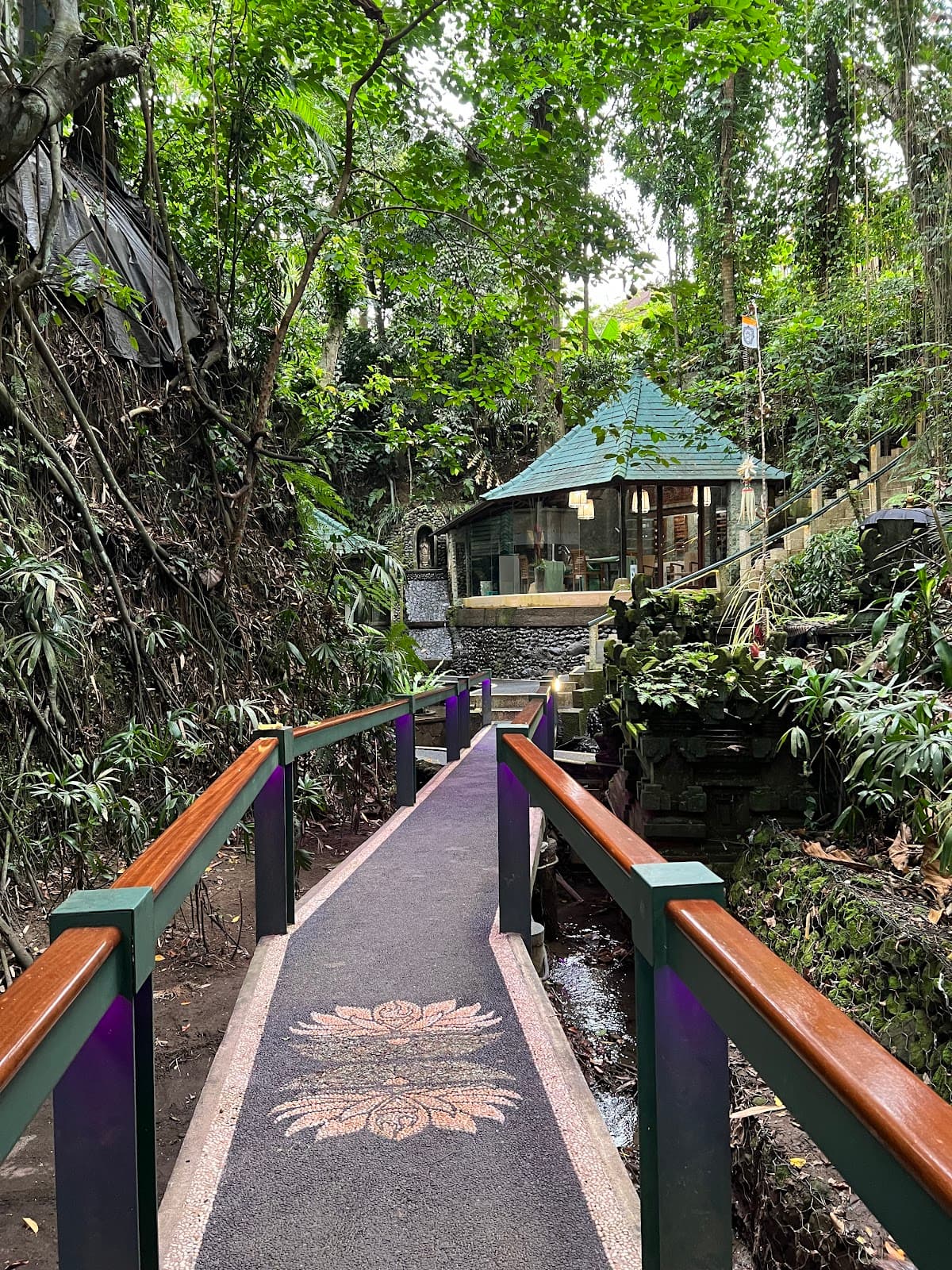
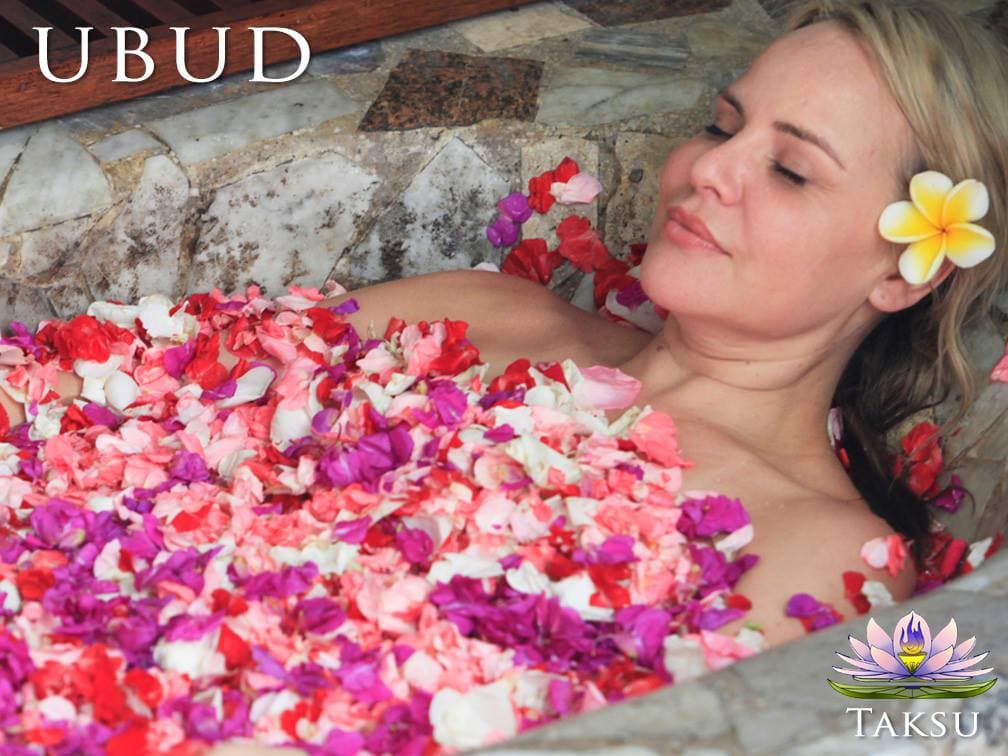
Bali
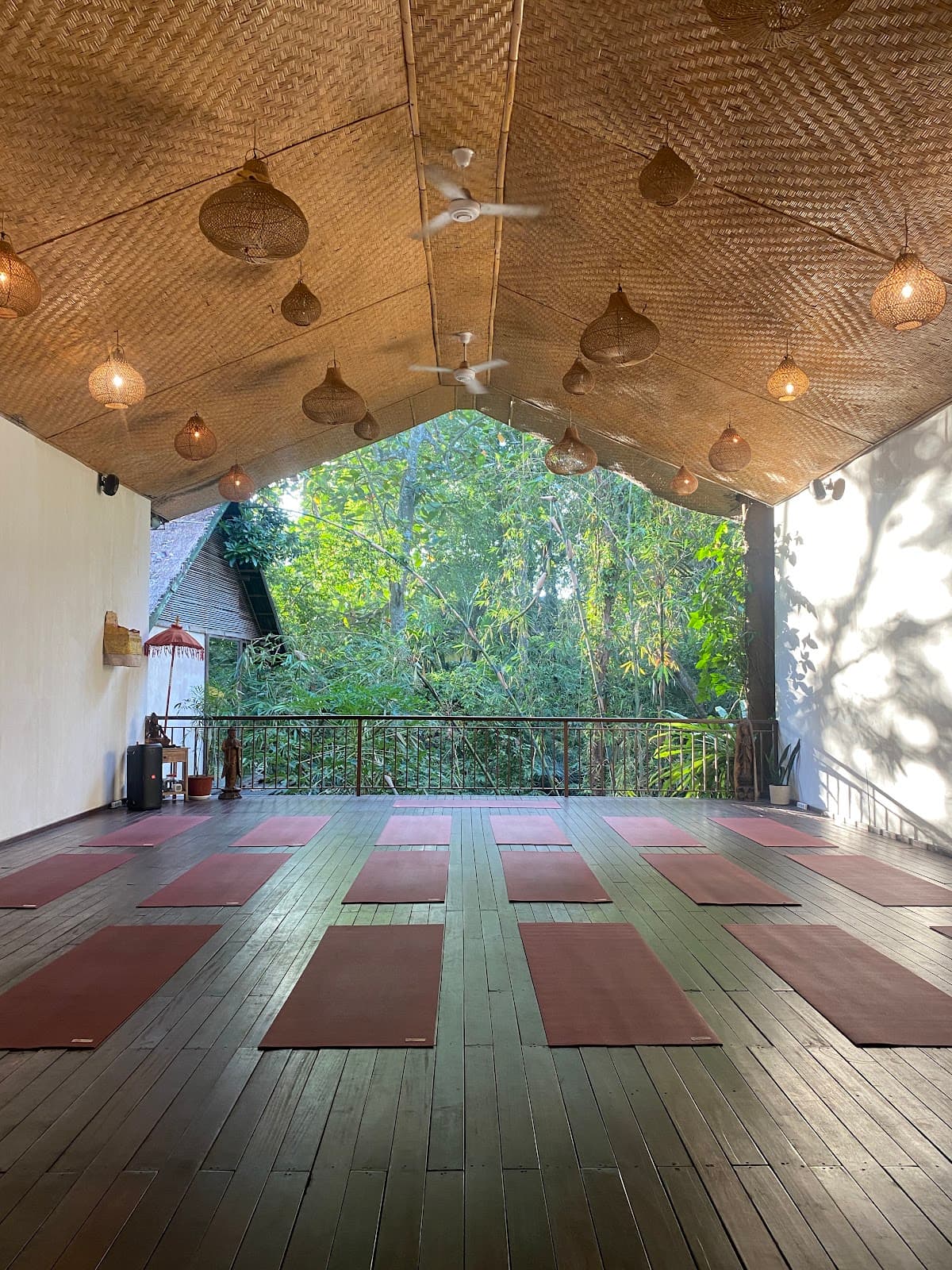

Bali


Bali
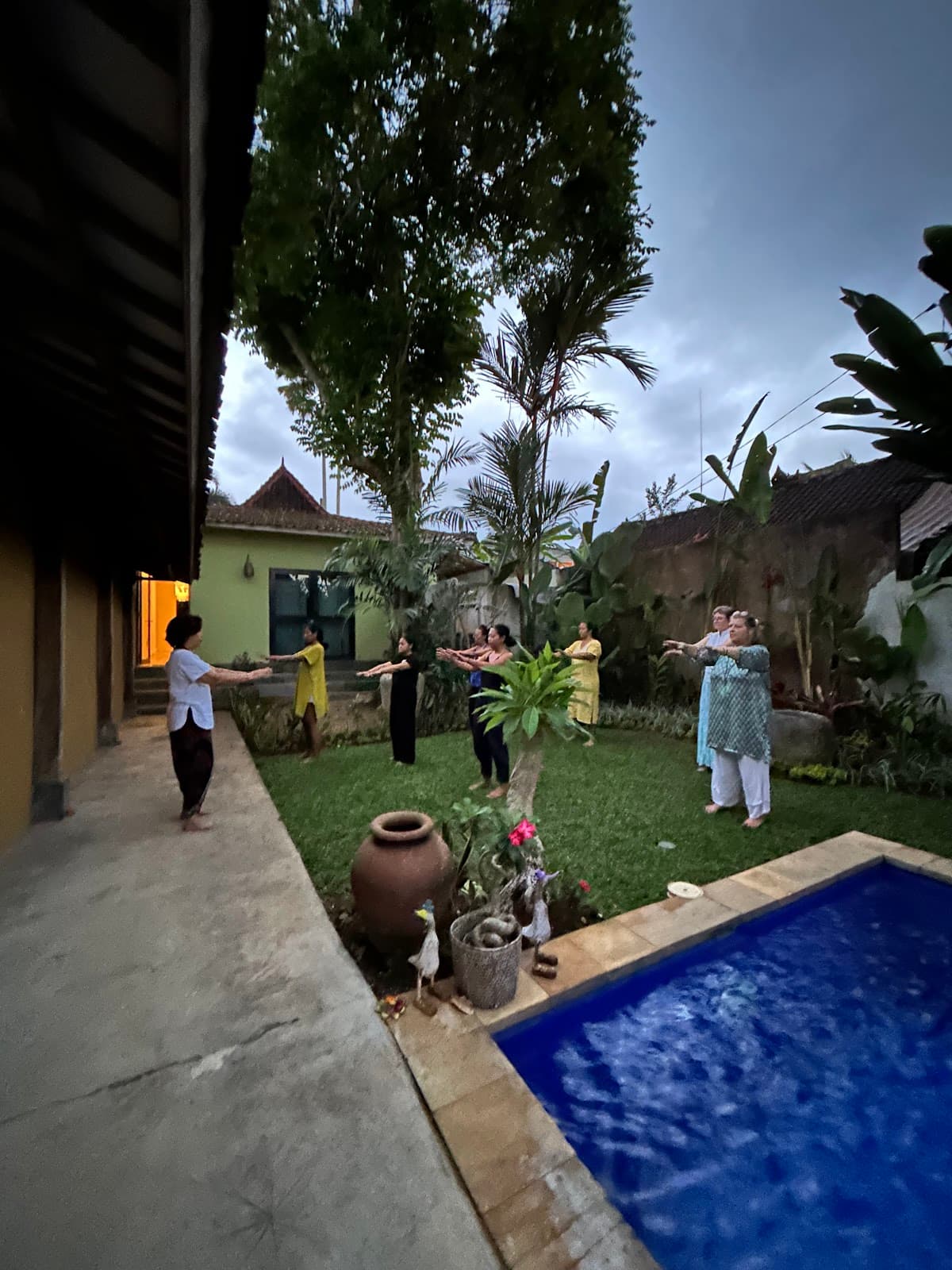

Bali

Bali


Bali


Bali


Bali


Bali

Bali

Bali

Bali

Bali
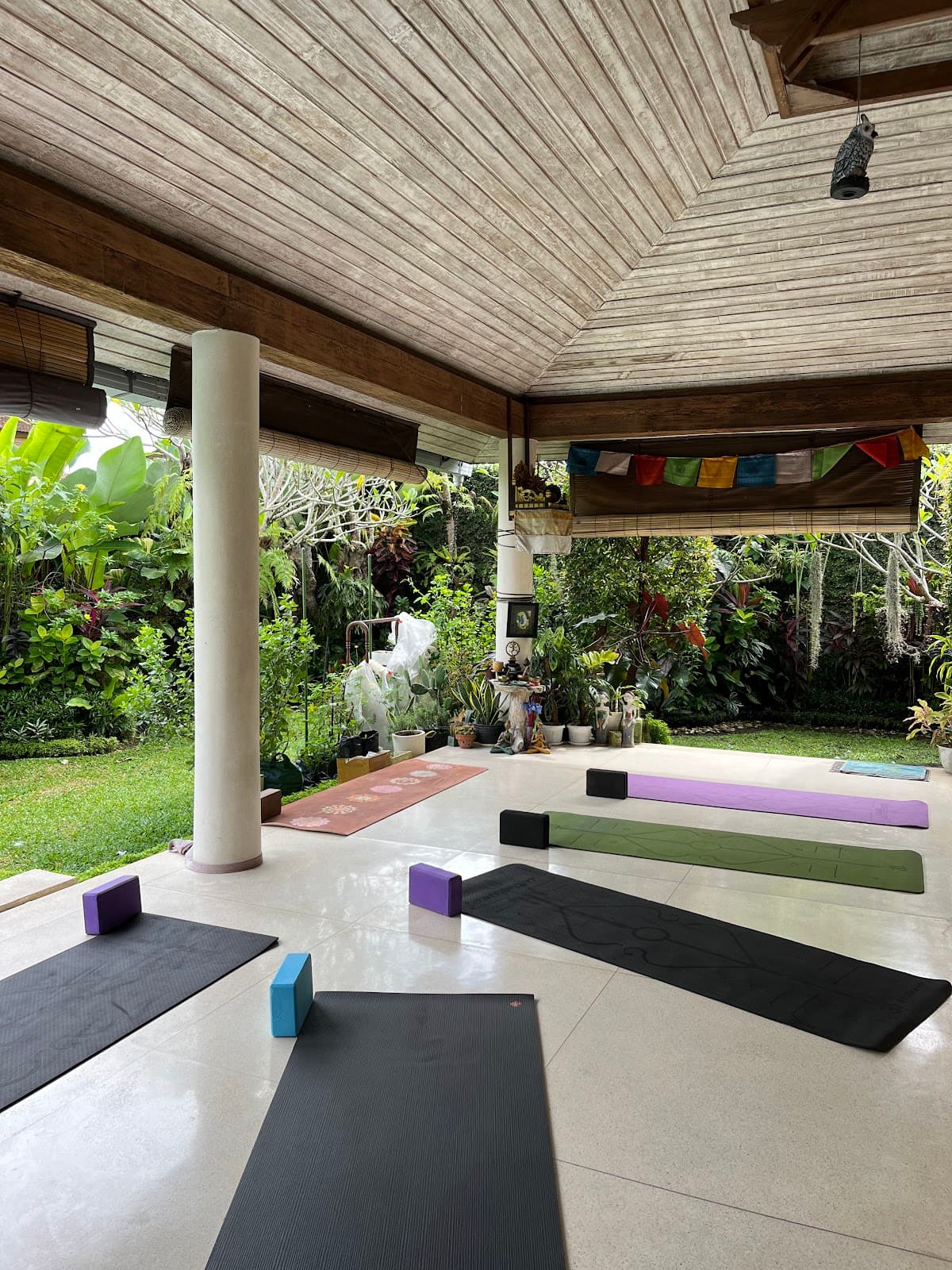

Bali
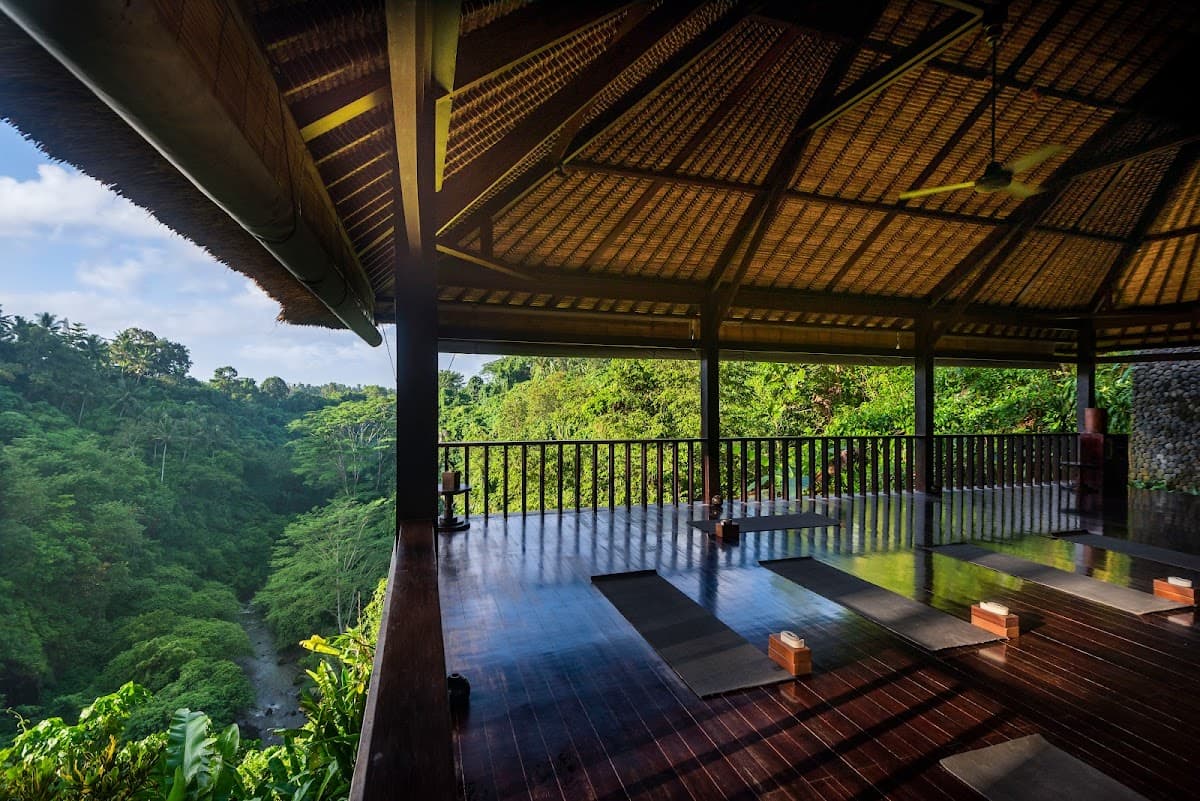

Bali
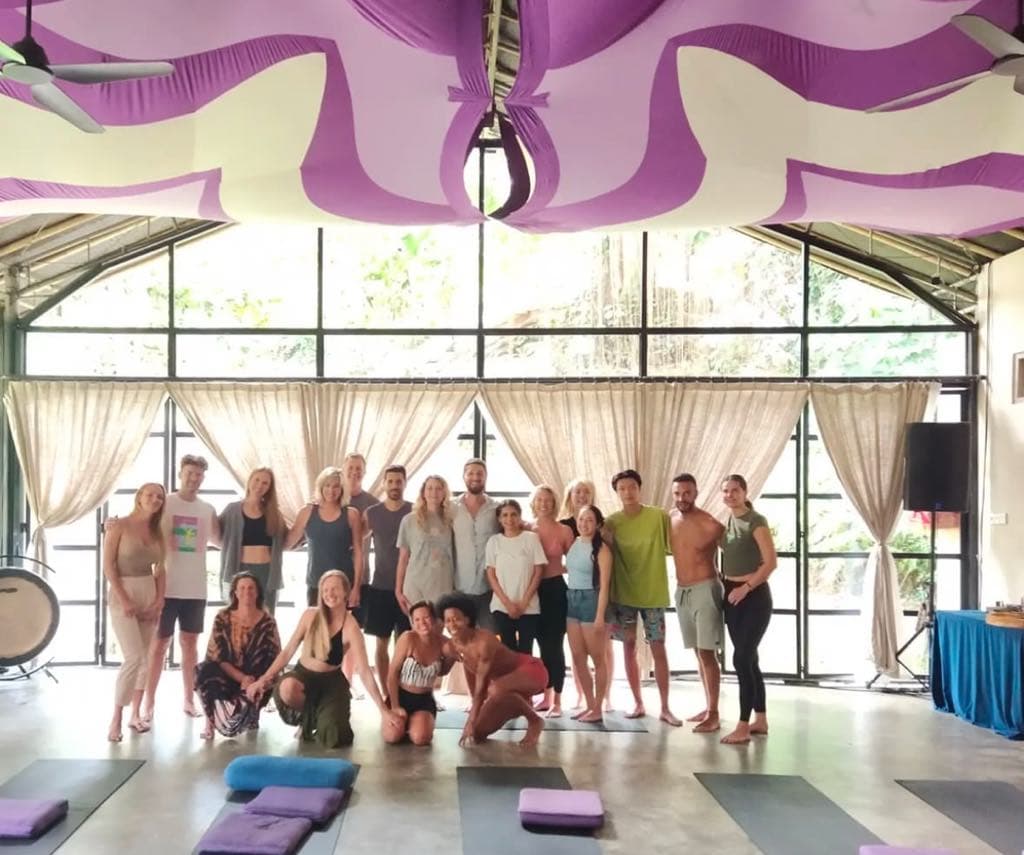

Bali
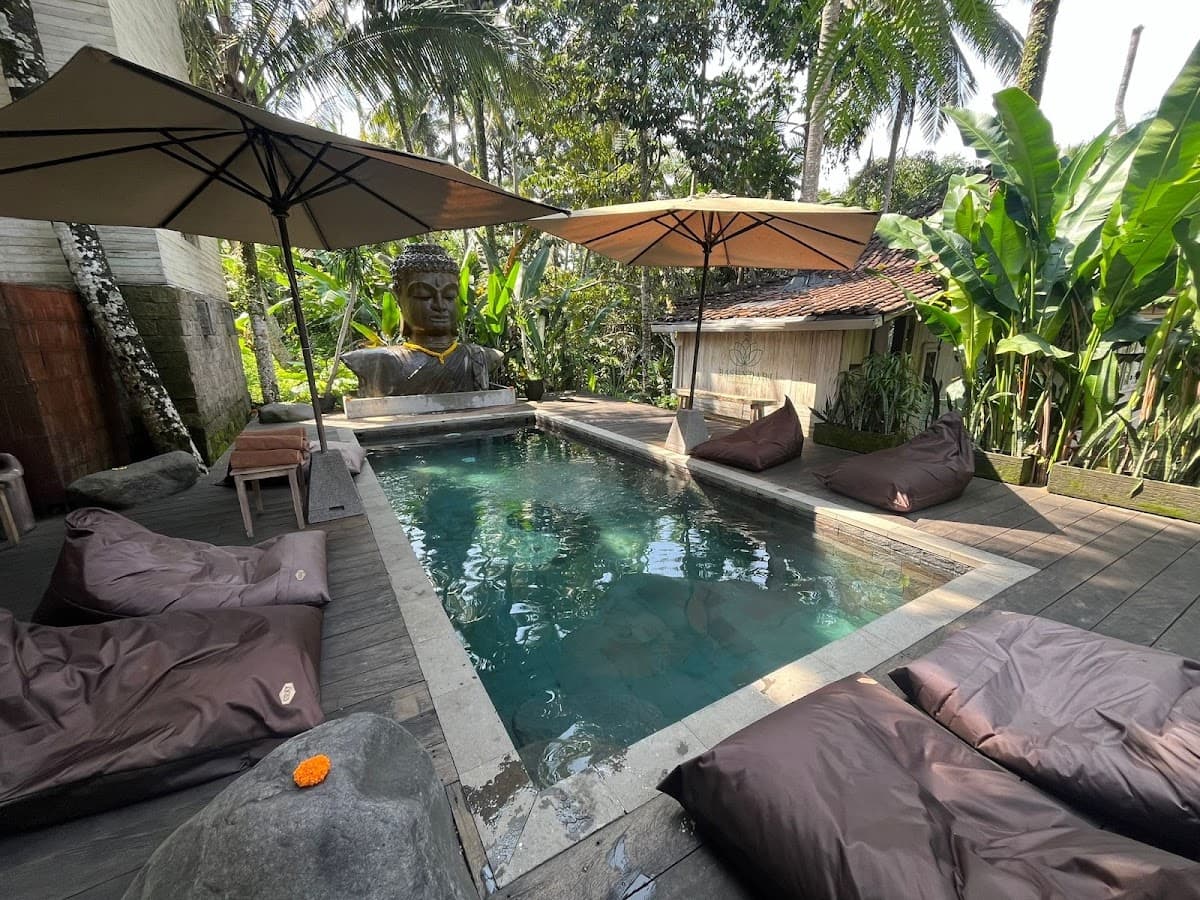

Bali


Bali


Bali


Bali

Bali

Bali


Bali
Mindfulness is the practice of bringing deliberate, non-judgmental attention to the present moment — and it has quietly become one of the most transformative forces in modern wellness. Rooted in the simple yet profound act of noticing what is happening right now, mindfulness invites people to step out of the relentless chatter of the thinking mind and into the fullness of lived experience. It is beloved because it asks nothing complicated: no special equipment, no particular level of fitness, and no prior experience. Whether practiced as sitting meditation, mindful movement, or conscious breathing, it meets people exactly where they are and gently opens the door to greater calm, clarity, and self-awareness.
The roots of mindfulness stretch back over 2,500 years to the Buddhist tradition, where practices of sati — a Pali word often translated as "awareness" or "remembering to observe" — formed a central pillar of the Buddha's teachings on the path toward liberation from suffering. For centuries these practices lived within monasteries and meditation halls, largely inaccessible to the general public. That changed dramatically in 1979, when molecular biologist Jon Kabat-Zinn developed Mindfulness-Based Stress Reduction, or MBSR, at the University of Massachusetts Medical School. Kabat-Zinn distilled ancient contemplative practices into an eight-week, secular program designed to help patients manage chronic pain and stress, and his work became a catalyst for an explosion of scientific research. Today, thousands of peer-reviewed studies confirm what meditators had long understood intuitively: that training attention has measurable, lasting effects on the brain and body.
A typical mindfulness session might involve guided body scans, focused attention on the breath, open awareness meditation, mindful walking, or gentle inquiry into thoughts and emotions as they arise and pass. Regular practice has been shown to reduce anxiety and depression, lower cortisol levels, improve sleep quality, sharpen concentration, and cultivate a greater sense of compassion toward oneself and others. Over time, practitioners often report a fundamental shift in their relationship to stress — not that life becomes easier, but that they develop more spaciousness in how they respond to it. Mindfulness is especially well suited for those navigating burnout, chronic stress, emotional overwhelm, or simply anyone searching for a more grounded, intentional way of moving through daily life. Beginners find it accessible, while long-term practitioners continue discovering new layers of depth. For anyone ready to stop rushing past their own life and start truly inhabiting it, mindfulness offers a path home.