The Yoga Barn
Bali
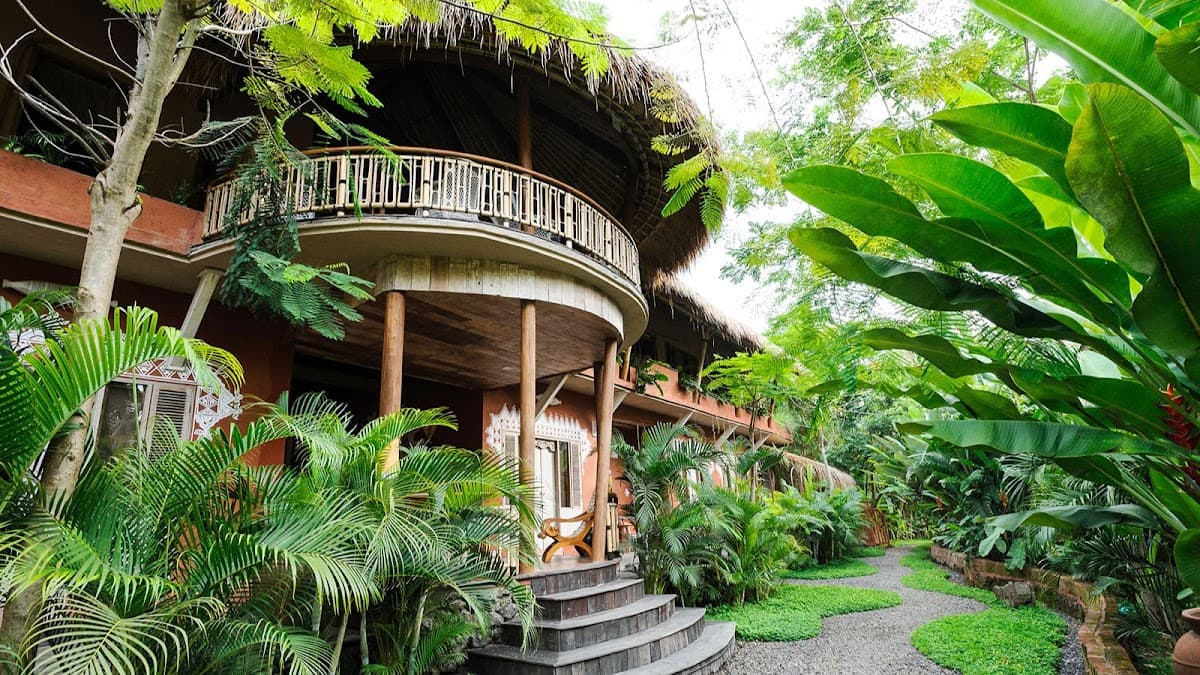
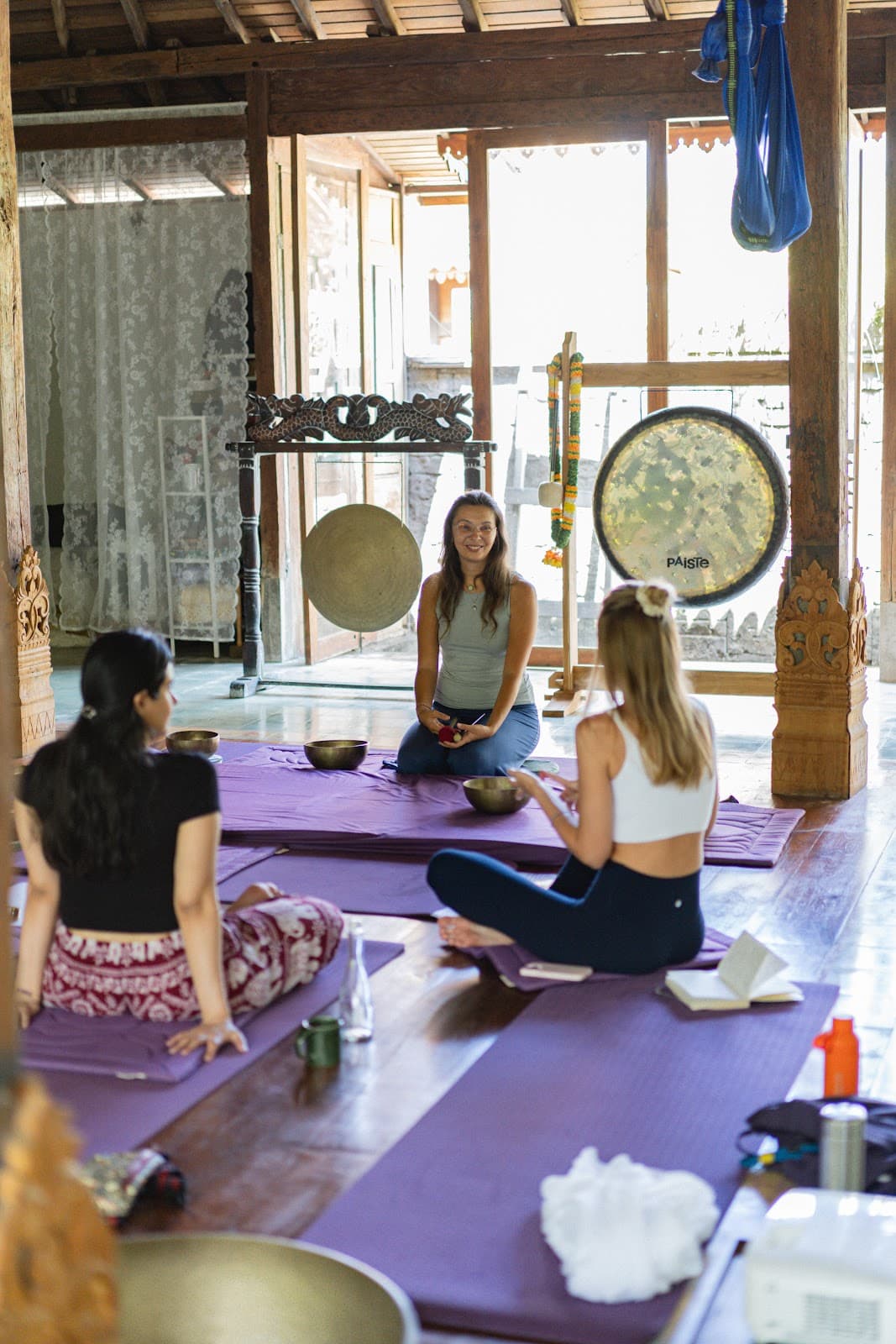
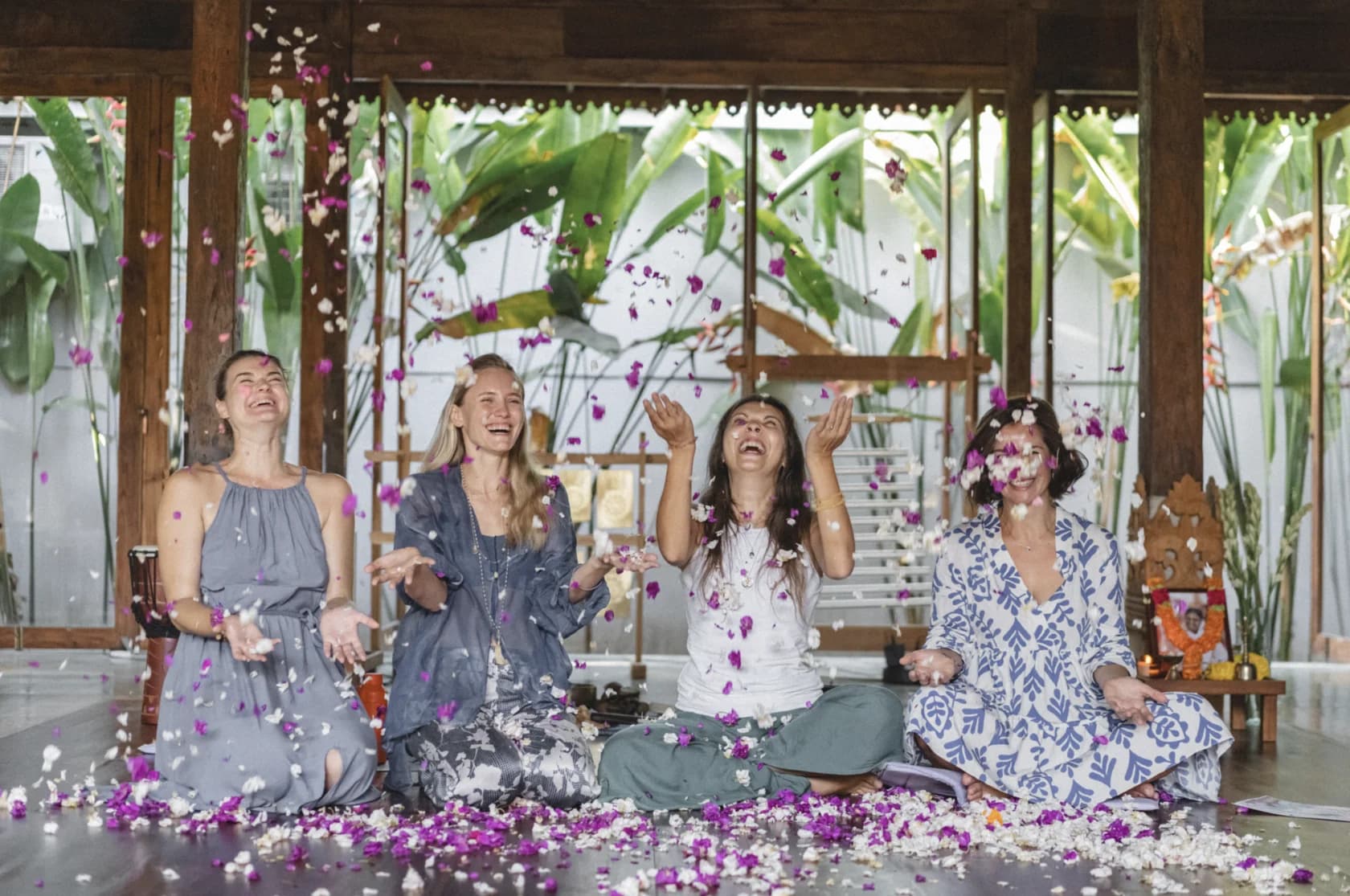
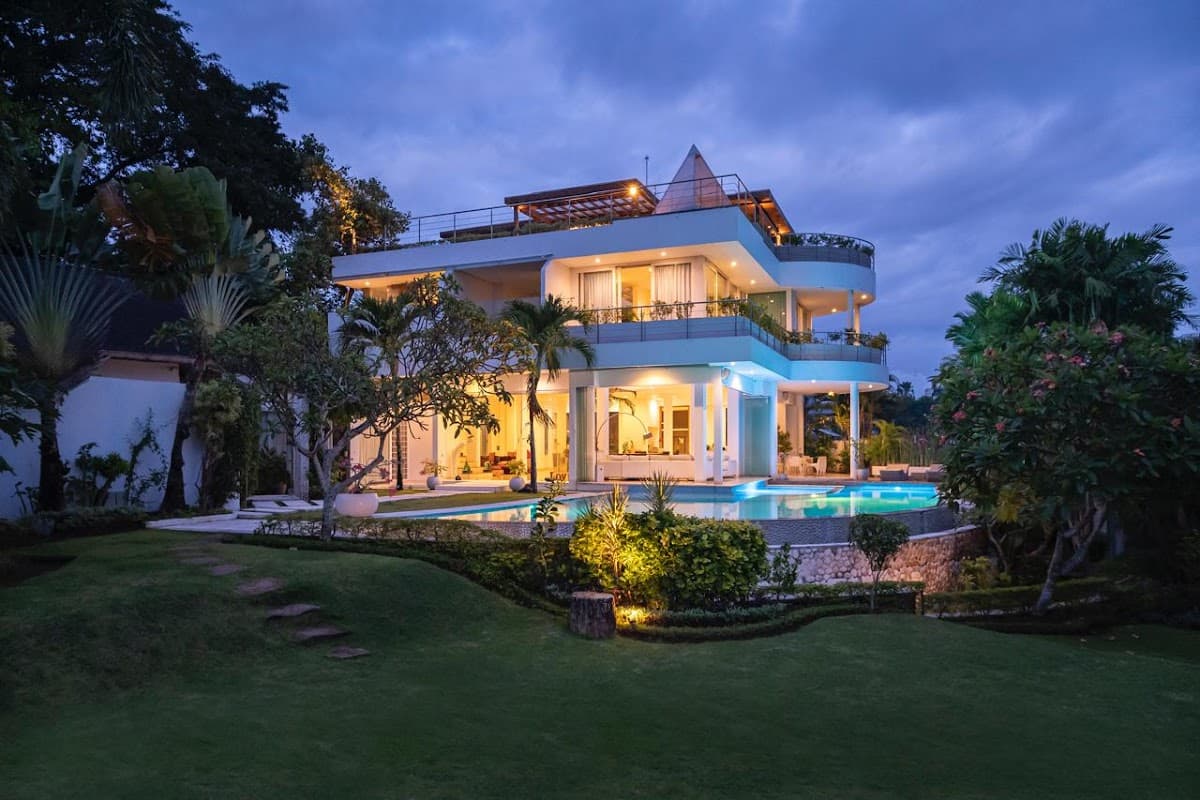
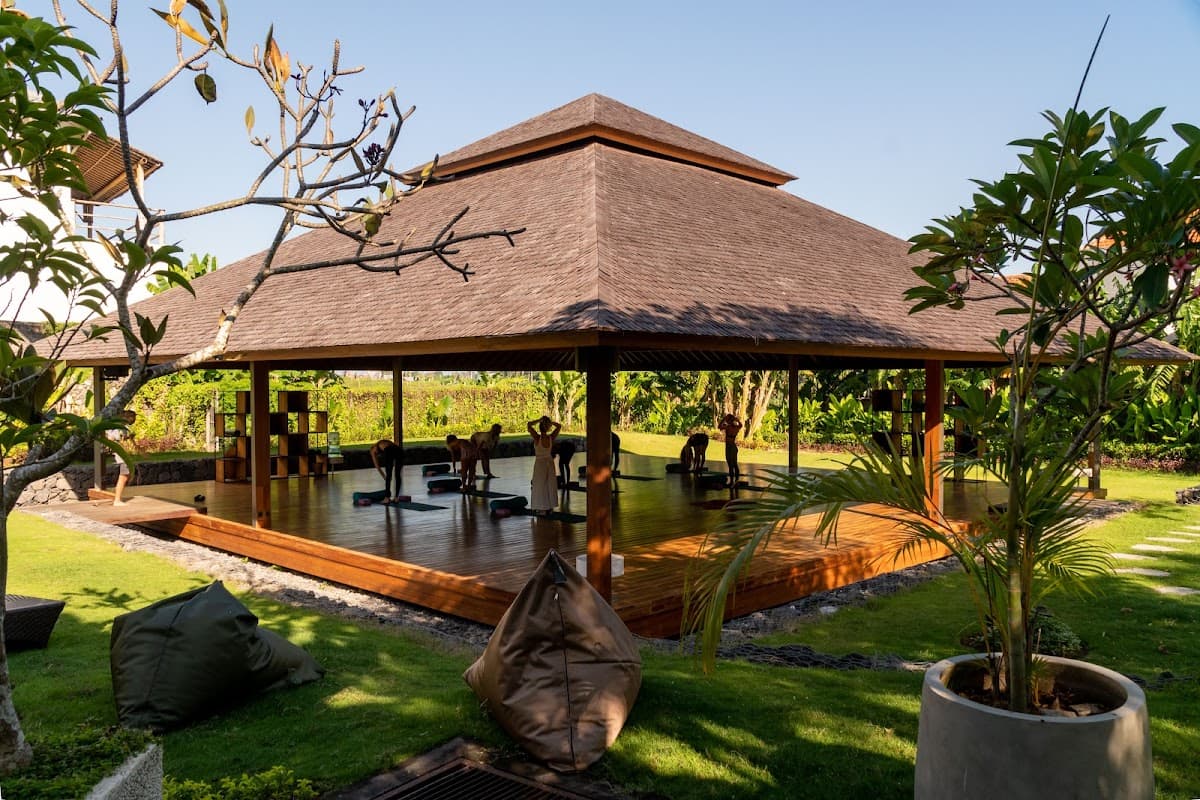
Serene retreat offering yoga classes, workshops, detoxes, a spa, cafe & relaxed accommodations.
teacher-trainingkirtanBreathwork
5 studios offering ecstatic dance found near Ubud
FindYoga lists 5 ecstatic dance studios and class providers in Ubud. Browse timetables, compare styles and find the right ecstatic dance session for your level — whether you're stepping on the mat for the first time or deepening an established practice.
Bali
Serene retreat offering yoga classes, workshops, detoxes, a spa, cafe & relaxed accommodations.
Bali
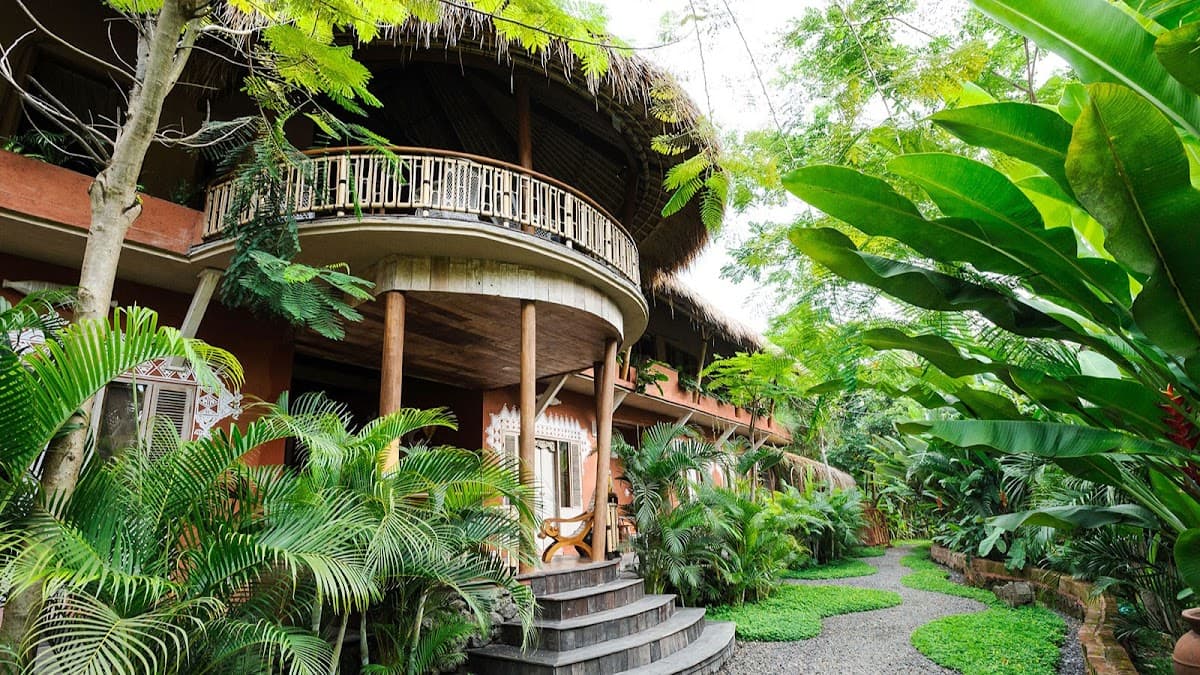
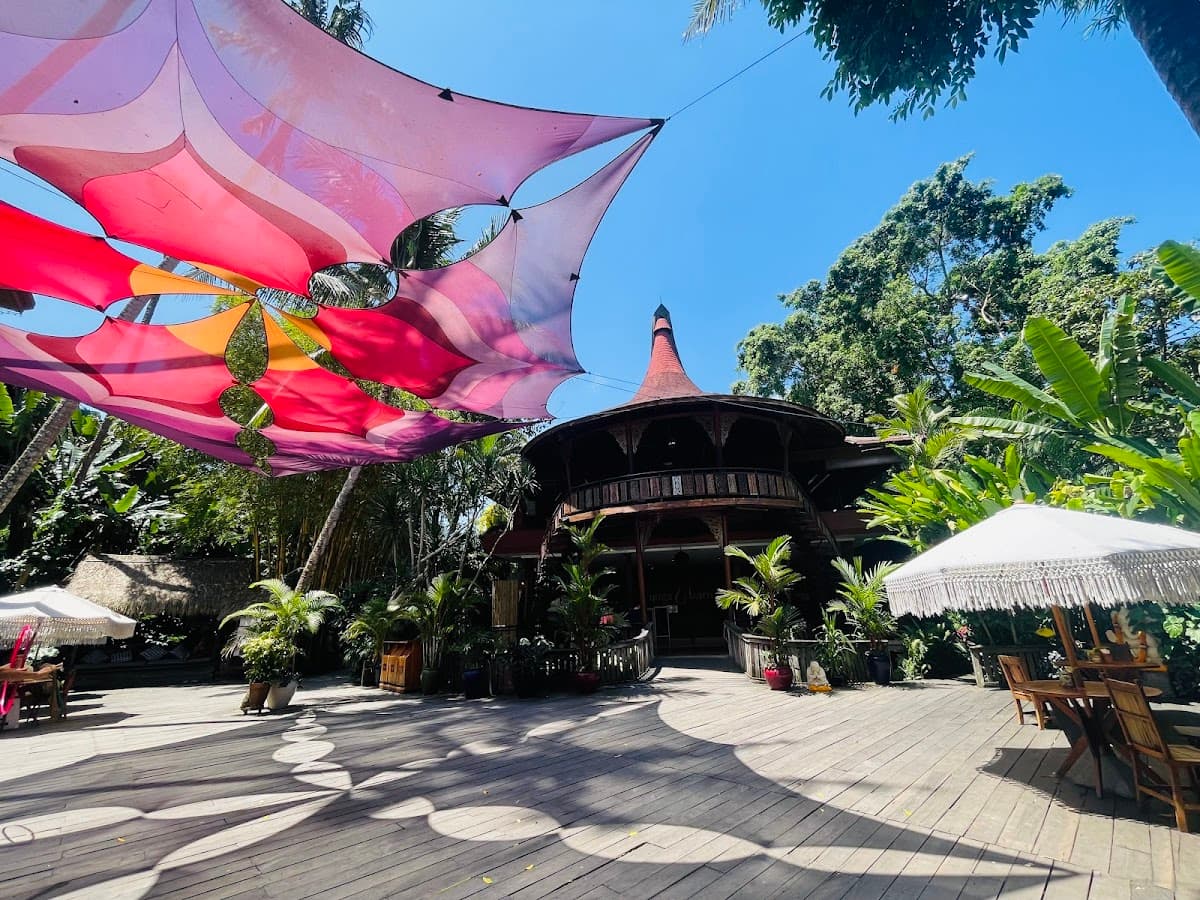
Serene retreat offering yoga classes, workshops, detoxes, a spa, cafe & relaxed accommodations.
Bali
Bali
Bali
Ecstatic dance is a free-form movement practice in which participants dance without a prescribed choreography, allowing the body to move however it naturally wants to in response to music. There are no steps to memorize, no mirrors to check, and no judgment to navigate — only an open floor, a carefully curated soundtrack, and an invitation to move with complete authenticity. People are drawn to ecstatic dance because it offers something rare in modern life: a space where self-expression is not only permitted but celebrated. For many, it becomes a profound practice of emotional release, embodied joy, and even spiritual awakening, blending seamlessly into the broader world of yoga and mindful movement.
The roots of ecstatic dance stretch back through centuries of ritual and ceremonial movement found in indigenous and shamanic traditions worldwide, but its contemporary form was significantly shaped by Gabrielle Roth, a New York-based dancer, musician, and urban shaman who developed the 5Rhythms practice in the 1970s. Roth mapped the landscape of human emotion onto five distinct movement qualities — flowing, staccato, chaos, lyrical, and stillness — creating a framework that gave modern practitioners a language for their inner journey. Her work inspired a global wave of free-form dance communities and laid the philosophical groundwork for what ecstatic dance has become today: a worldwide movement practiced in studios, community centers, festival grounds, and outdoor spaces across every continent.
A typical ecstatic dance session lasts anywhere from ninety minutes to three hours and begins with a gentle warm-up, often accompanied by slower, more meditative music that gradually builds in tempo and intensity before descending into stillness once more. The journey mirrors a natural arc — arrival, opening, peak expression, and integration. Sessions are generally sober spaces, free from conversation on the dance floor, encouraging participants to stay present and connected to their own experience. The physical benefits are considerable, including improved cardiovascular fitness, flexibility, coordination, and body awareness. Mentally and emotionally, regular dancers often report reduced anxiety, greater self-confidence, a deeper sense of community, and a powerful reconnection with parts of themselves long neglected. Because ecstatic dance requires no prior dance training, no particular fitness level, and no special equipment, it is uniquely accessible to virtually everyone — from seasoned yogis seeking a new dimension of embodied practice to complete beginners simply curious about moving differently. Whether someone arrives carrying grief, restlessness, or simple curiosity, the dance floor has a way of meeting them exactly where they are and carrying them somewhere unexpected.