
Box Breathing for Anxiety: Your 4-4-4-4 Guide to Instant Calm
31 March 2026
In our fast-paced world, anxiety can strike at any moment—during a work presentation, before an important meeting, or even in the quiet of the night. But what if there was a simple, scientifically-backed breathing technique you could use anywhere to instantly calm your nervous system? Box breathing, also known as square breathing, is a powerful tool that military personnel, athletes, and mindfulness practitioners have used for decades to manage stress and anxiety effectively.
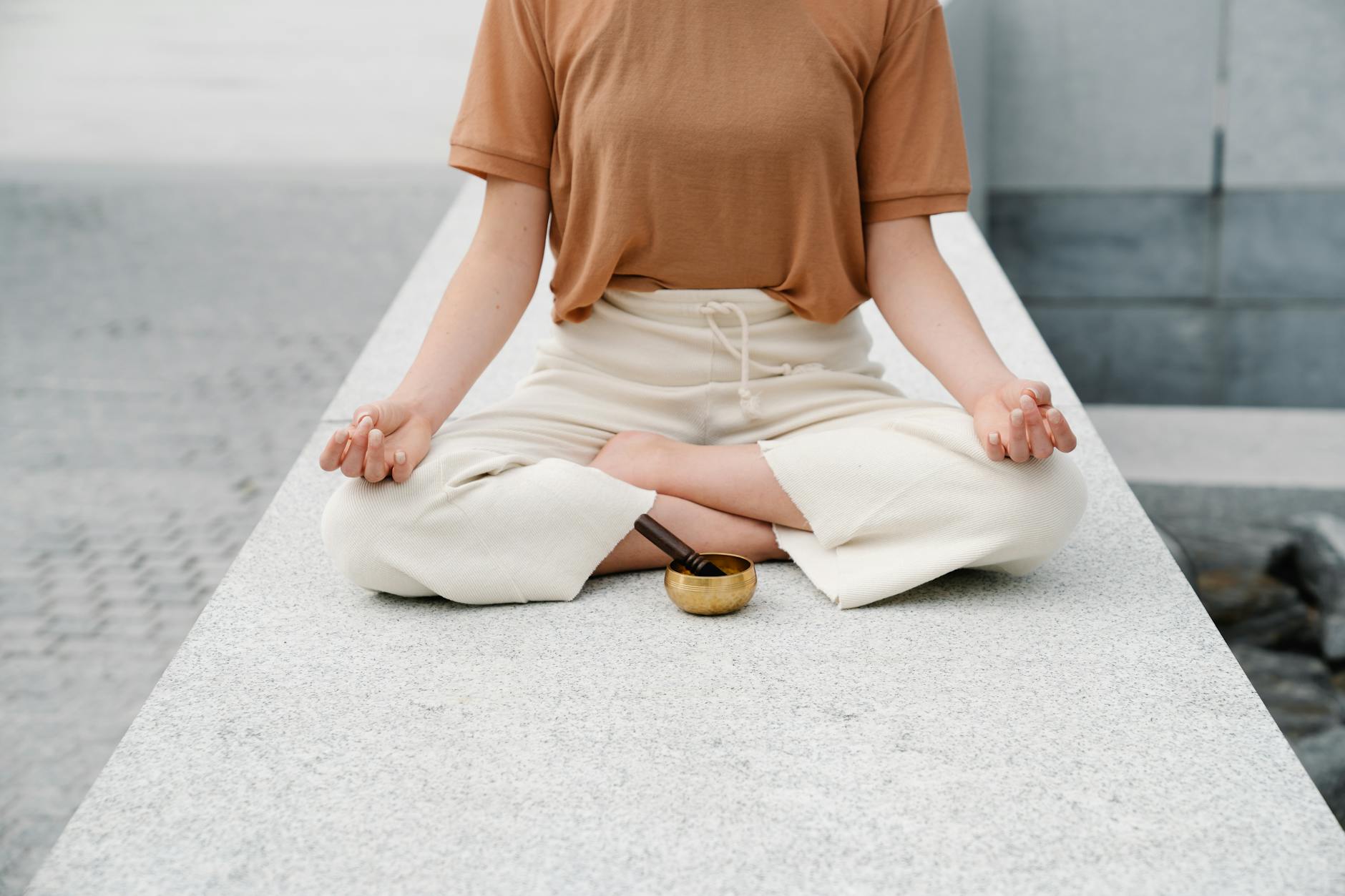
Box breathing is a deceptively simple yet remarkably effective technique that involves inhaling, holding, exhaling, and holding again—each for an equal count of four. This rhythmic pattern creates a balanced breathing cycle that signals to your body that it's safe to relax. When you're anxious, your breathing becomes shallow and rapid, which reinforces the stress response. Box breathing interrupts this cycle by deliberately slowing and deepening your breath, activating your parasympathetic nervous system—your body's natural relaxation response.
The beauty of box breathing lies in its accessibility. You don't need special equipment, a quiet room, or years of meditation experience. Whether you're sitting at your desk, standing in line, or lying in bed, you can practice this technique anywhere, anytime. The 4-4-4-4 pattern makes it easy to remember and implement whenever anxiety begins to creep in.
How to Practice Box Breathing
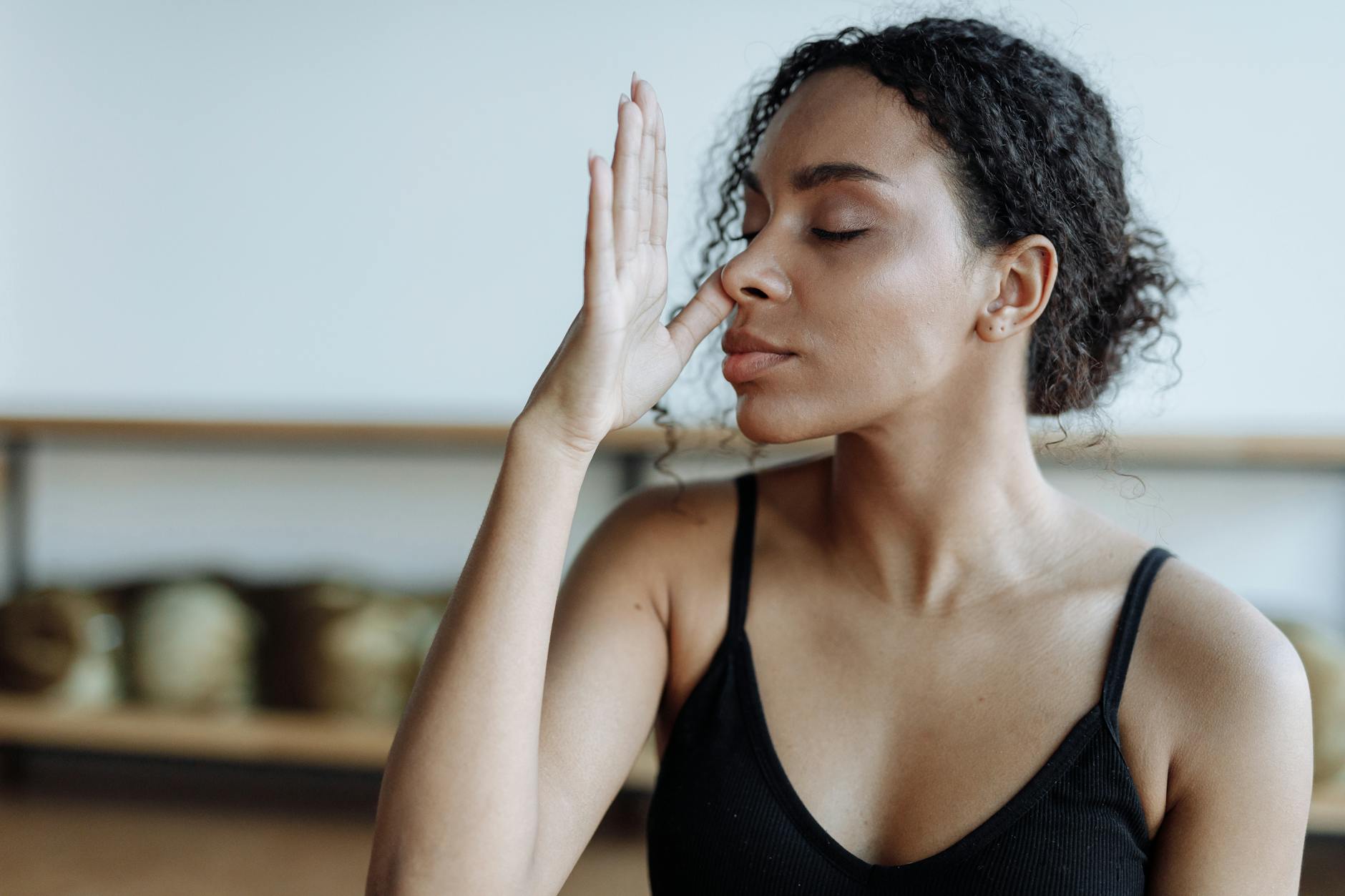
Begin by finding a comfortable seated position with your back straight. Close your eyes if you're in a private space, or simply soften your gaze if you're in public. Start by exhaling completely to clear your lungs, then follow this simple pattern: Inhale slowly through your nose for a count of four, hold your breath for a count of four, exhale slowly through your mouth for a count of four, and hold empty for a count of four. That completes one cycle. Repeat this pattern for five to ten minutes, or until you feel noticeably calmer.
The key is consistency and patience with yourself. Your mind may wander, or you might lose count—this is completely normal. Simply notice when your mind has drifted and gently return your attention to the breath count. There's no judgment in meditation or breathwork; it's simply the practice of returning to the present moment again and again.
The Science Behind the Calm
Research has shown that controlled breathing directly influences your autonomic nervous system. When you extend your exhales and include holding periods, you activate the vagus nerve, which is responsible for triggering relaxation responses throughout your body. This reduces cortisol levels and lowers your heart rate, blood pressure, and muscle tension. Studies with military personnel have demonstrated that box breathing significantly improves focus, reduces panic, and enhances overall emotional regulation.
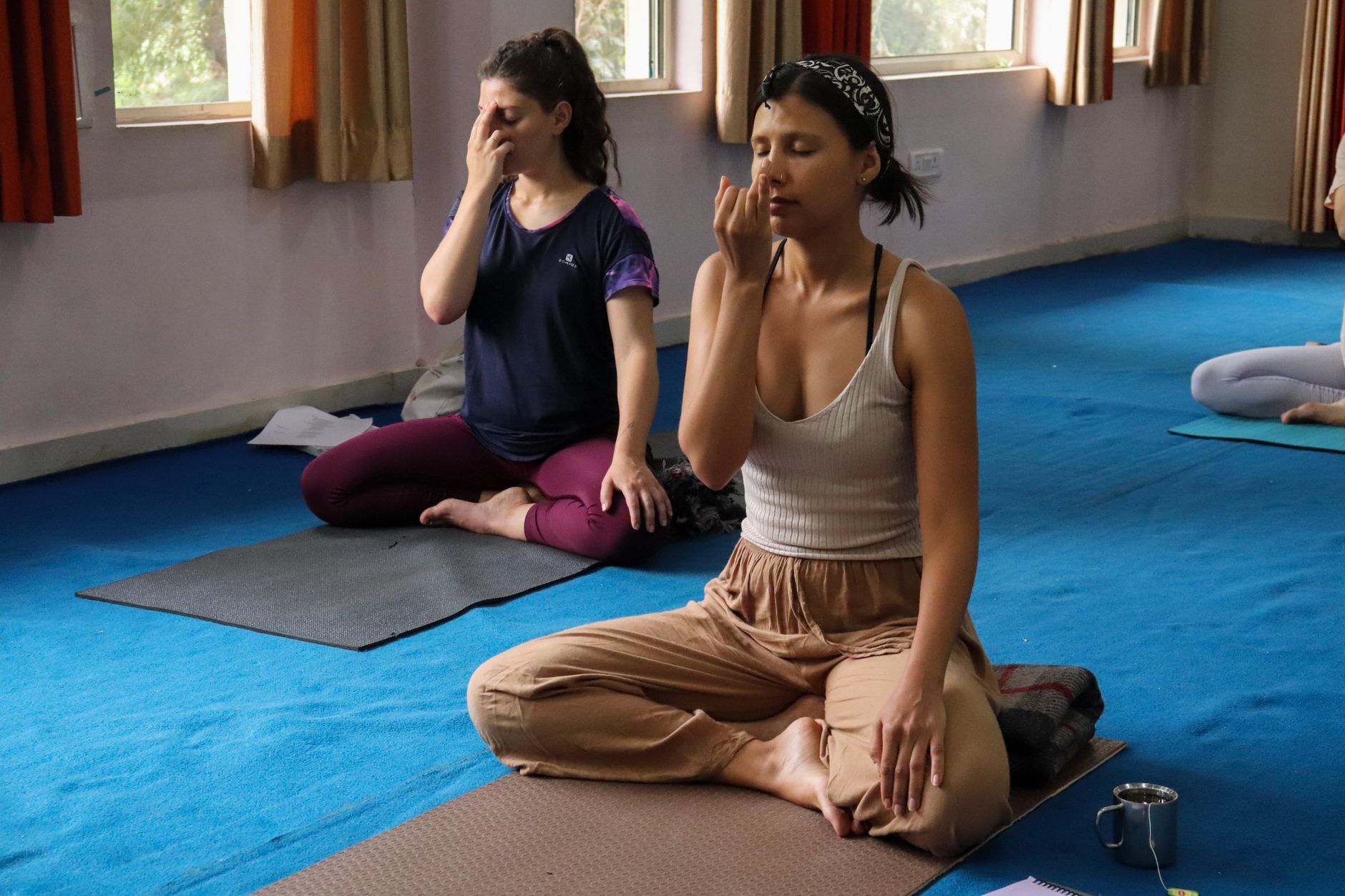
Unlike anxiety medications, box breathing has no side effects and actually strengthens your ability to self-regulate over time. The more regularly you practice, the more quickly your body responds to the technique. Many practitioners find that simply beginning the 4-4-4-4 pattern triggers an almost Pavlovian relaxation response, as their nervous system recognizes the signal for calm.
Making It Part of Your Daily Practice
For maximum benefits, practice box breathing daily, even when you're not anxious. This trains your nervous system to be more resilient and responsive. Try incorporating it into your morning yoga routine, during a work break, or as part of your evening wind-down ritual.

Box breathing offers a practical, evidence-based tool for managing anxiety that's available to you wherever you are. By investing just a few minutes daily in this simple practice, you're building a more resilient, calm version of yourself.